-(1280-x-720-px)-(6-x-4-cm)-(1000-x-800-px)-(1920-x-650-px)-(1000-x-800-px)-(1920-x-800-px)-(1000-x-800-px)-(1920-x-800-px)-(1280-x-800-px)-(1000-x-800-px)-(1920-x-650-px)-(1000-(convert.io-(37).webp)
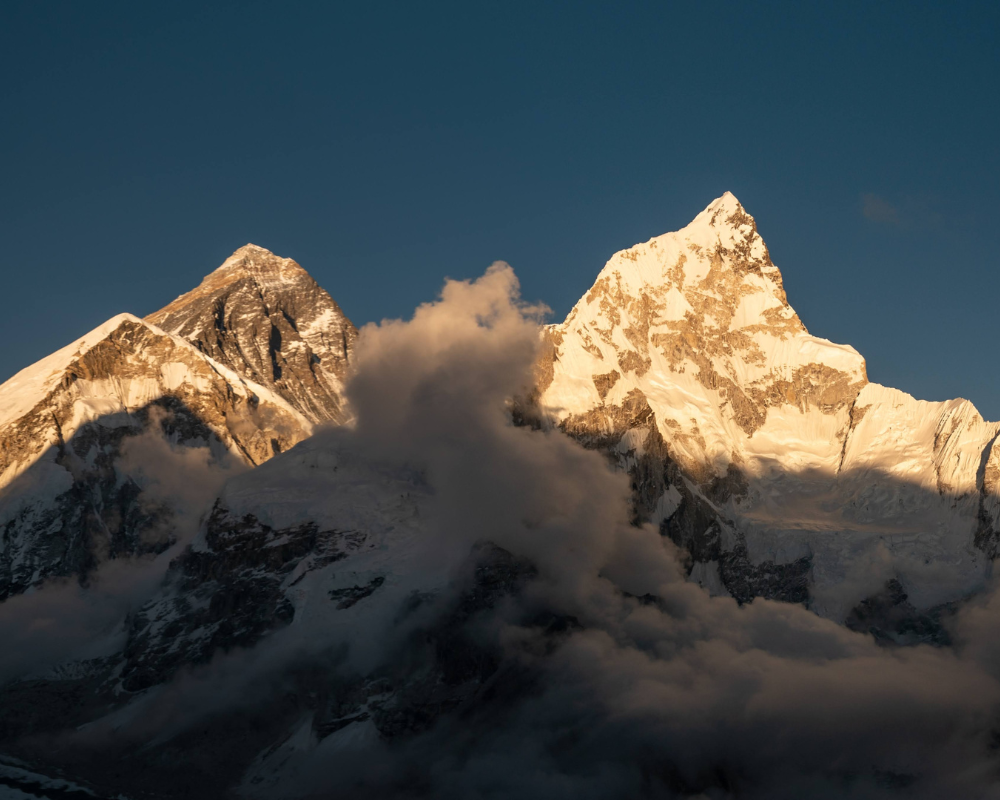
The Everest Base Camp trek is one of the most iconic high-altitude journeys in the world, drawing thousands of trekkers each year into the heart of Nepal's Khumbu region. The route follows the path pioneered by early Everest expeditions, winding through Sherpa villages, pine and rhododendron forests, suspension bridges strung high above glacial rivers, and increasingly stark, high-altitude terrain as the trail climbs toward the foot of the world's tallest mountain.
Cost is almost always the first question anyone asks before booking an Everest Base Camp (EBC) trek, and it's a fair one to lead with. Unlike a flight ticket, EBC isn't priced on a fixed scale. Two trekkers can walk the same trail, sleep in the same villages, and still end up paying totals that differ by hundreds of dollars, depending on group size, season, and small choices like treating water instead of buying it bottle by bottle at 5,000 meters. This guide breaks down the everest base camp trek cost 2026, exactly where the money goes, so a realistic, personalized budget can be built instead of relying on an average someone else quoted.
The Real Everest Base Camp Trek Cost 2026
Across the industry guided Everest Base Camp trek runs $1,300 to $2,500 for a standard mid range package, $2,500 to $4,000 for a premium version with better lodges and a smaller group, and $3,500 to $5,500+ for itineraries that include a helicopter flight back to Kathmandu instead of walking out. Solo travelers piecing together their own trip, flights, permits, a guide, food, and lodging, typically land in the $1,200 to $1,800 range, which is another useful reference point for the everest base camp trek cost 2026. None of these figures include the international flight into Nepal. For trekkers whose priority is the lowest realistic entry point without cutting guide or safety standards, Outshine's Budget EBC trek package is built specifically around that price range.
A useful real world anchor: a standard 15 day guided EBC package on fixed 2026/2027 departures is commonly priced at:
- Solo traveler: USD 1,445
- Group of 2 to 4: USD 1,345 per person
- Group of 5 to 10: USD 1,300 per person
That range sits squarely within the honest industry standard and is a useful reference point for the line item breakdown below.
Quick Cost Summary
What a standard 14 to 15 day package typically includes, and how it shapes the overall everest base camp trek cost 2026 before extras are added on top.
| Category | Details | Estimated Cost |
| Permits | Sagarmatha National Park Permit + Khumbu Pasang Lhamu Rural Municipality Permit | $37–$40 |
| Domestic Flights | Round-trip Lukla flight (via Ramechhap during peak season) | $550 |
| Accommodation | 3 nights hotel in Kathmandu (with breakfast) + 11–12 nights teahouse accommodation during the trek | Included in most full packages |
| Meals | Daily breakfast, lunch, and dinner during the trek | Included in most full packages |
| Guide | Licensed trekking guide for 14–15 days | $420–$630 |
| Porter | Shared porter (1 porter for every 2 trekkers) | $200–$400 |
| Transportation | Ground transportation between Kathmandu and Ramechhap (round trip) | Included in most full packages |
Even a well-built package leaves out several costs that catch most trekkers off guard: travel insurance with helicopter evacuation cover ($80 to $200), tips for the guide and porter ($150 to $250 combined), the international flight into Kathmandu, a Nepal visa on arrival (about $50 for 30 days), meals in Kathmandu itself, drinking water on the trail, and any extra nights in Kathmandu if a Lukla flight gets delayed by weather which happens more often than most people expect. Building in a buffer day on both ends of the trek, and asking any operator directly what their quoted price excludes, avoids most of these surprises.
Daily spend on the trail
Once trekkers are actually walking, daily spend depends far more on personal comfort level than on the trek itself, and it is one of the biggest variables inside any everest base camp trek cost estimate.
- Budget trekker (dal bhat, black tea, the cheapest available room): roughly $25 to $35 a day. Basic teahouse beds are often free or nearly free when dinner and breakfast are eaten at the same lodge, it is the standard arrangement on this route.
- Mid-range trekker (a bit more meal variety, the occasional bottled water, an occasional hot shower): roughly $35 to $55 a day.
- Comfortable trekker (better lodges where available, meat or imported snacks, nightly WiFi and charging): roughly $55 to $90 a day, sometimes more at higher villages where everything costs more anyway.
These figures exclude guide and porter fees, which are usually charged separately as a flat daily rate.
Cost by group size
Guide and porter costs don't scale down proportionally with group size, but they do improve. A solo trekker carries the full guide fee alone, roughly $30 to $45 a day. A pair can typically share one guide and one porter, splitting that cost in half, one of the more effective ways to cut a budget without cutting corners on safety. Groups of four or more usually need two guides (both regulation and practicality push toward this past a certain headcount) and possibly two porters, but the per-person cost still tends to fall as fixed costs like Kathmandu ground transport are spread across more people.
Rough per-person totals for a standard mid-range 14–15 day trek, once insurance, tips, and personal spending are added to the package price:
- Solo trekker: around $1,700 to $2,200
- Pair: around $1,500 to $1,900 each
- Group of five or more: around $1,300 to $1,700 each
Group discounts on package pricing are common industry-wide, so it's worth asking any agency what their group rate looks like at a specific headcount.
Trekking solo: what it really means for the budget
Solo trekkers absorb the full guide cost, and there's no one to split a porter fee with unless one is hired anyway which is worth considering even solo, since carrying a full pack above 4,000 meters is genuinely harder than most first-timers expect. A realistic solo total for a standard route in standard season sits around $1,700 to $2,300, pushing the solo everest base camp trek cost 2026 noticeably higher than a shared trip, once permits, flights, guide, food, and lodging are all accounted for. Solo trekkers also tend to eat out a bit more (no one to split a plate of momos with) and pay full price for a private room rather than splitting a twin, both easy to underestimate when budgeting.
Do trekkers actually need a guide?
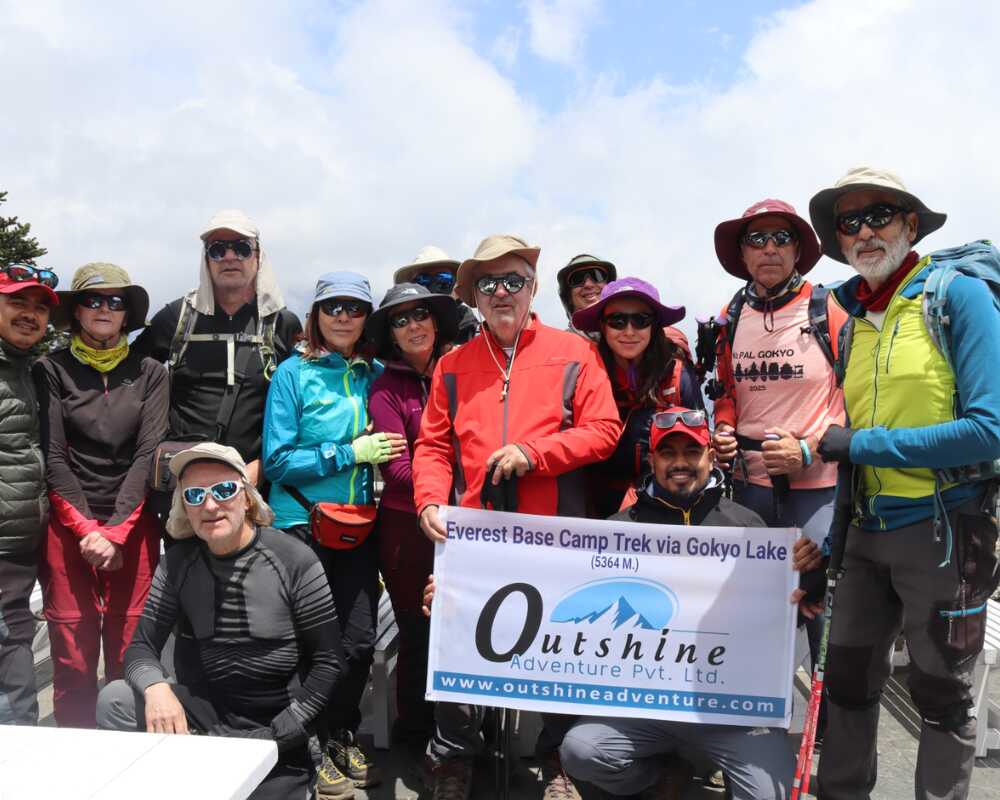
Yes, and this is the single biggest change to EBC trekking in recent years, one that many older blog posts and forum threads still haven't caught up with. Since April 2023, Nepal has required every foreign trekker entering a national park or conservation area, Sagarmatha included, to be accompanied by a licensed guide booked through a registered trekking agency. The independent green TIMS card that solo trekkers once bought on their own no longer exists. A further update in early 2026 removed the old requirement that solo trekkers team up with at least one other person to obtain a permit, so true solo booking is now possible but a licensed guide is still mandatory. Attempting the restricted zone without one risks a real fine, being turned back on the spot, and losing whatever was already spent getting there.
A porter, by contrast, remains optional, and a bare-bones guide-only agency is a legitimate choice over a full-service one. But the guide fee itself $25 to $45 a day depending on experience and agency is not a cost that can be engineered away anymore.
Permit costs for Nepali and SAARC nationals
Nepali citizens pay a nominal NPR 100 for the Sagarmatha National Park entrance fee. SAARC nationals (Indian, Bangladeshi, Sri Lankan, Bhutanese, Pakistani, and Maldivian citizens) pay NPR 1,500 (roughly $11), compared with NPR 3,000 (roughly $22) for all other nationalities.The Khumbu Pasang Lhamu Rural Municipality permit is NPR 2,000 for SAARC nationals and Chinese citizens, while the fee for other foreign nationals is NPR 3,000, based on the municipality's published fee notice.
How season affects total cost
Spring (March–May) and autumn (late September–November) are peak season, and pricing reflects it across the board: Lukla flights run 10% to 20% higher, teahouse rooms that are free with dinner in shoulder season sometimes carry a small charge as demand outstrips supply, and guided packages, a major share of the everest base camp trek cost 2026, are typically priced 15% to 25% above winter or monsoon rates. Trekking during December to February or the June to August monsoon window can shave a genuine 20% to 30% off total trip cost, in exchange for colder nights, a real chance of snow closing high passes in winter, or leeches and limited mountain visibility in summer. Most first-time trekkers still choose peak season for the weather and views a fair trade for most people, as long as the seasonal premium is expected going in.
Full line item cost breakdown
Kathmandu, before and after the trek
Two to three nights in Kathmandu before the trek, plus at least one buffer night after in case the return Lukla flight is delayed, is the standard plan. A budget guesthouse in Thamel runs $10 to $20 a night, a comfortable three star hotel $30 to $60, and a boutique or four star property $80 to $150+. Last minute gear purchases or rentals add $50 to $150, and meals outside of a package run $10 to $20 a day.
Getting to Lukla, and the ground alternative
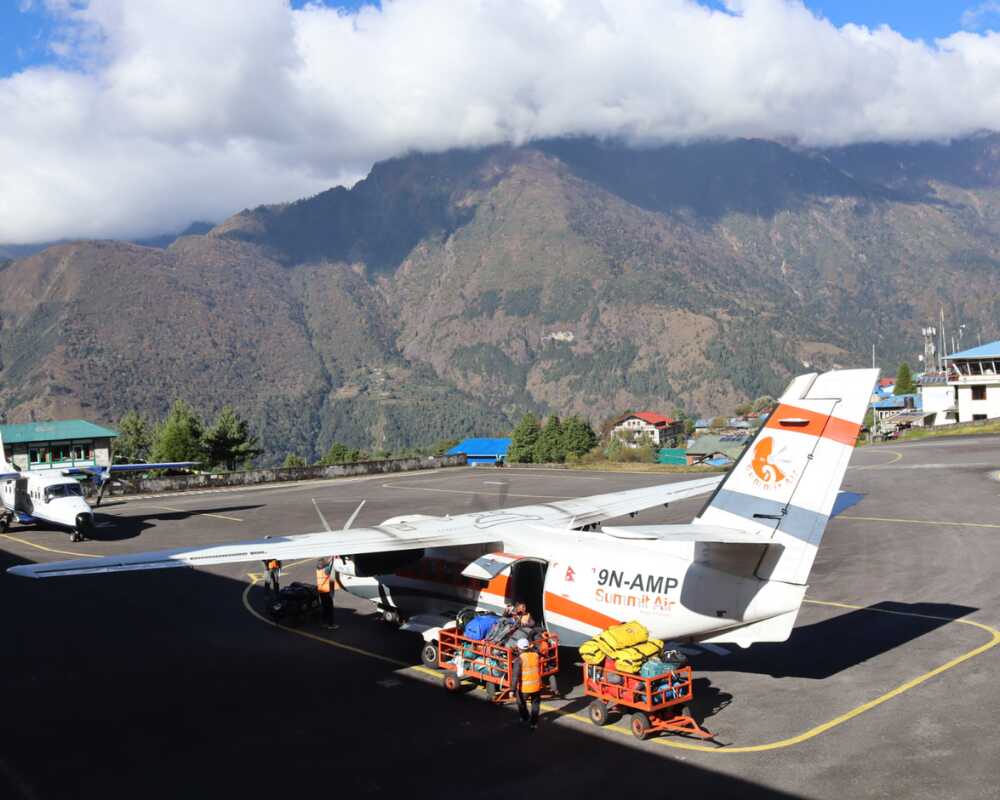
The Lukla flight is the fastest option and, for almost everyone, the only realistic one. A one way ticket for foreign nationals runs $250 to $275 from Kathmandu directly, or $190 to $215 from Ramechhap's Manthali Airport, where flights are diverted during peak season to ease congestion at Kathmandu's main airport. A shared van transfer to Ramechhap adds roughly $20 to $35, plus a 1 or 2 a.m. departure from the Kathmandu hotel to make the flight. Round trip, most trekkers pay $500 to $550 total including the ground transfer.
A bus plus jeep plus walk alternative exists and is dramatically cheaper, a local bus to Salleri or Jiri costs $10 to $20, but it adds six or more days of walking each direction before reaching the standard trailhead. Almost no one takes this route for EBC specifically anymore; it's more of a curiosity than a practical budget option.
If a flight is weathered out, which happens more often than agencies tend to advertise, a shared helicopter seat runs $500 to $650 one way, while a private charter for up to five people runs $2,500 to $4,000. A multi day Lukla delay is exactly the kind of hidden cost that can blow up an otherwise careful budget, and one of the line items most often missing from a quoted everest base camp trek cost 2026.
Trekking permits
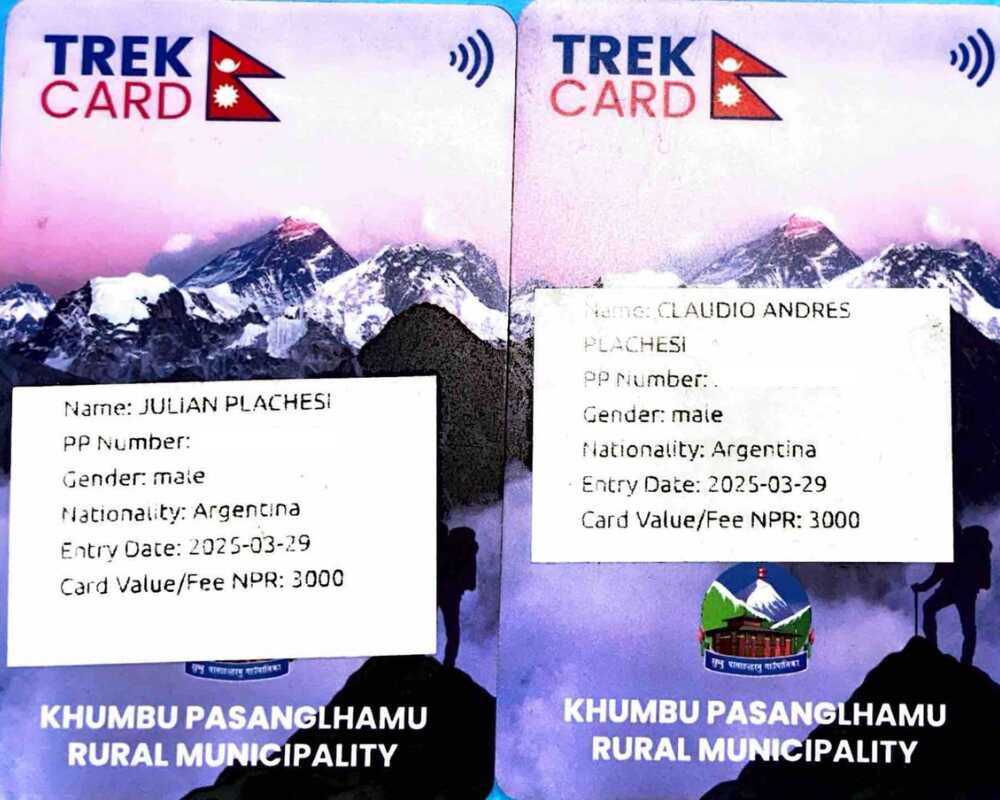
Two permits are mandatory. The Sagarmatha National Park entry permit costs NPR 3,000 (about $22) for foreign nationals, NPR 1,500 for SAARC nationals, and NPR 100 for Nepali citizens. The Khumbu Pasang Lhamu Rural Municipality permit costs NPR 2,000 (about $15) for everyone regardless of nationality. Together, that's roughly $37 for most foreign trekkers. The old standalone TIMS card is effectively gone for this route, since permits and guide registration are now processed together through the booking agency.
Where trekkers accomodate, and how price climbs with altitude
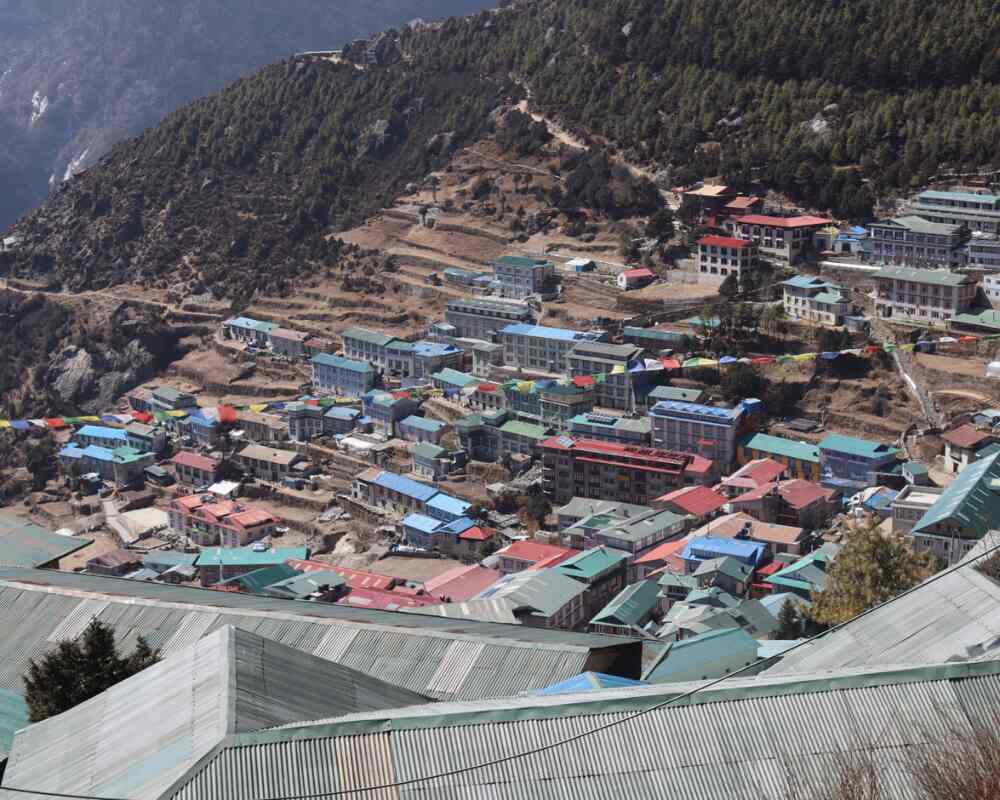
Teahouse rates follow the altitude, and the logic is simple: everything above Lukla is flown or carried in by porter or yak. In Lukla and Phakding, a basic twin room runs $3 to $8 a night, often free with dinner and breakfast at the same lodge. By Namche Bazaar, expect $5 to $15. In Dingboche or Lobuche, $8 to $20. At Gorak Shep, the last stop before base camp, rooms run $10 to $25, and peak season availability can be tight enough that lodges effectively charge whatever they want on a busy night.
Food and water on the trail
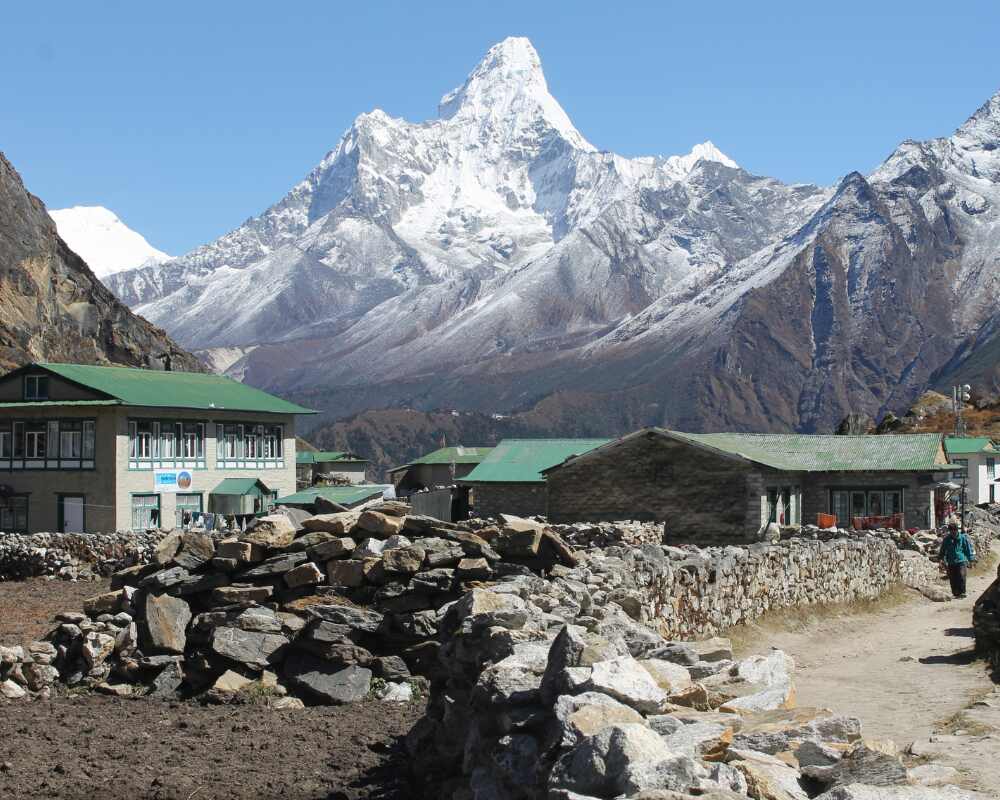
A plate of dal bhat, still the best value meal on the mountain, since most lodges offer free refills, runs $4 to $6 in Lukla and climbs to $10 to $14 by Gorak Shep. Noodle soup starts around $3 to $5 and reaches $8 to $10 higher up. Black tea runs $1 to $2 low down and $3 to $4 near base camp. Bottled water costs $1 in Lukla and can hit $3 to $5 at Gorak Shep, exactly why guides recommend boiled or treated water instead: a liter of boiled water from the lodge kitchen usually costs $1 to $2 less than bottled, and it's the greener choice besides. Budgeting $25 to $40 a day on food and drink is realistic once above Namche.
Guide and porter rates, and tipping norms
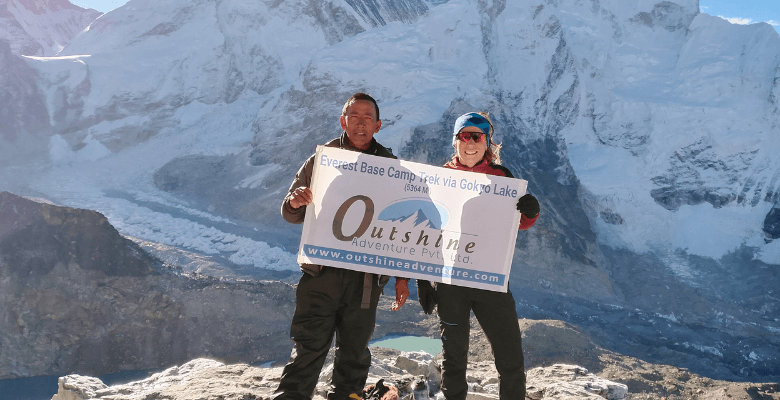
A licensed guide runs $25 to $45 a day depending on experience and whether the booking is with a smaller local agency or a larger international one. A porter, who typically carries up to 20 to 25 kilograms, runs $18 to $30 a day. Both are usually quoted as a flat daily rate that includes their food and lodging, covered by the client. Tipping is customary rather than technically mandatory, but very much expected: budget $150 to $250 total for a guide and $100 to $150 for a porter across a 12 to 14 day trek, handed over in cash at the end, ideally in a currency they can use locally.
Travel insurance, where the fine print matters more than the price
Travel Insurance is a non-negotiable line in any everest base camp trek cost 2026 budget. Standard travel insurance often won't cover trekking at these altitudes. A suitable policy needs to cover high altitude trekking to at least 6,000 meters (base camp itself sits at 5,364 meters, and Kala Patthar, the popular viewpoint above it, at 5,545 meters) and helicopter evacuation to a minimum of $3,000 to $5,000 in coverage, though $50,000+ is the safer target given real world rescue costs. A suitable policy for a three- to four week trip runs $80 to $200, and it stays one of the smallest but most essential lines in the total everest base camp trek cost 2026, with older trekkers, particularly those over 50, paying toward the higher end. This is one line item not worth trying to save money on.
What a helicopter rescue costs without insurance
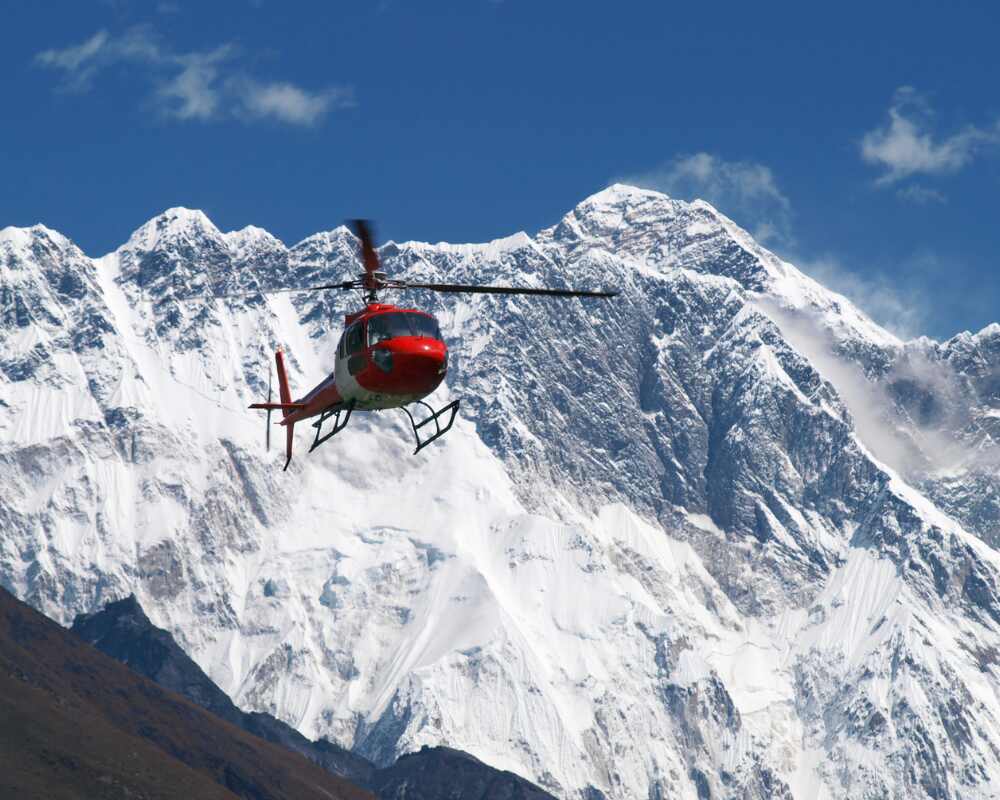
Without insurance, an emergency evacuation from Namche Bazaar runs roughly $2,000 to $4,000; from Dingboche or Lobuche, $3,000 to $5,000; and from Gorak Shep or base camp itself, $4,000 to $6,000. Hospital treatment in Kathmandu adds $1,000 to $3,000 depending on severity. With proper insurance, out of pocket cost is typically zero, the insurer pays the helicopter operator and hospital directly, which is exactly why the policy matters more than almost anything else on this list. Most rescues are triggered by altitude sickness that isn't improving with descent, a fall, or a pre existing condition flaring up above 4,000 meters, where oxygen levels are roughly half of sea level.
VAT, service charges, and small daily extras
Some operators quote a base price and add 13% VAT plus a service charge at checkout, which can add $150 to $300 to what looked like a final number, worth asking about, in writing, before paying a deposit. On the trail, device charging costs $1 to $5 per charge and climbs with altitude, since most lodges above Namche run on solar or generator power. WiFi, where it exists, runs $2 to $5 an hour or a similar flat daily fee. A hot shower runs $3 to $8 low down and $5 to $10 near base camp, and isn't available at all past a certain point. Snacks, chocolate bars, biscuits, energy bars, run $2 to $6 each and are generally worth carrying in from Kathmandu.
Hidden costs most package quotes don't mention
This is the list most agencies don't walk through in detail, since none of it makes the sale look cheaper, and it's exactly the part of the everest base camp trek cost 2026 that surprises most first-time trekkers:
- Bottled water above Namche, easily $5 to $10 a day without a treatment method.
- Extra nights in Lukla or Kathmandu from flight delays, common enough in peak season that a careful traveler budgets for them.
- Tips for guide and porter, easy to forget until the last night.
- Souvenirs and gifts, easy to underestimate at $50 to $150.
- Laundry, most lodges don't wash clothes, and Namche is really the last practical place to get it done.
- ATM fees, Namche has the last reliable ATMs on the route, and they can run out of cash or go offline. Above Namche, it's cash only with no backup plan.
Choosing the Right Everest Base Camp Trek Operator
Quotes for the same 12 to 14 day route can vary by $500 to $2,000 or more between operators, and the gap isn't always about quality. It usually comes down to whether an agency is a local ground operator or an international booking layer sitting on top of one. Understanding the trade offs between the two helps match the choice to what actually matters most: price, convenience, or both.
EBC with Local Operators
Local, Kathmandu based agencies, particularly those run by people who have guided the route themselves, tend to offer:
- Lower overall pricing, since there's no international marketing layer or foreign office overhead added on top.
- Better local knowledge of trail conditions, weather patterns, and which lodges are genuinely reliable in a given season.
- More flexibility to adjust itineraries, group size, or pacing without routing changes through a distant head office.
- Direct communication with the people actually running the trek, rather than a reseller relaying messages.
- Greater contribution to Nepal's local economy, since fees stay largely within the guiding and hospitality communities along the route.
This route generally suits travelers prioritizing value for money and a more direct, hands on booking relationship.
EBC with International Operators
International agencies, which often act as a booking layer on top of a local ground operator, tend to offer:
- Generally higher prices, reflecting overseas administration, marketing, and a foreign office's overhead.
- Fixed, pre packaged itineraries with less room for last minute customization.
- International customer support, often in the traveler's own time zone and language by default.
- A familiar booking experience for travelers who prefer working with a company headquartered in their home country.
This route generally suits travelers who prioritize convenience and a familiar booking process over squeezing out the lowest possible price.
Neither option is universally better. The right choice depends on individual priorities, budget conscious, flexible travelers tend to do well with a local operator, while those who value a familiar booking process and are less price sensitive may prefer an international one. Reading recent reviews, asking directly about guide to client ratio, and confirming safety standards (oximeters, oxygen, altitude sickness training) matters more than the operator's country of origin.
Three real budget breakdowns
Solo Trekker Budget (13 days)
| Expense | Cost (USD) |
| Flights & Permits | $460 |
| Guide (no porter) | $455 |
| Accommodation & Food (11 trail days) | $495 |
| Kathmandu Hotel & Buffer Nights | $120 |
| Insurance | $130 |
| Tips | $180 |
| Estimated Total | ~$1,840 |
Traveling solo means paying more per day than a group traveler, since there's no one to split costs with, offset by full control over pace and itinerary.
Couple Trek Budget (14 days, shared guide and porter)
| Expense | Cost (USD, for two) |
| Flights & Permits | $920 |
| Shared Guide | $500 |
| Shared Porter | $350 |
| Accommodation & Food (12 trail days) | $960 |
| Kathmandu Hotels | $200 |
| Insurance (for two) | $260 |
| Tips | $330 |
| Estimated Total | ~$3,520 (≈$1,760 each) |
Splitting the guide and porter fee is the main reason a couple pays noticeably less per person than a solo trekker at a similar comfort level, which meaningfully lowers their share of the whole trek.
Small Group Budget (4 to 6 people, 12 days, package booking)
| Expense | Cost (USD, per person) |
| Package (permits, flights, guide/porter share, meals, accommodation) | $1,650 |
| Insurance | $130 |
| Tips | $100–$150 |
| Personal Spending (WiFi, snacks, extras) | $150 |
| Estimated Total | ~$2,030–$2,080 per person |
This is typically the lowest per person cost of the three scenarios, and the main financial argument for traveling with even a small group.
Cost by altitude, village by village
| Altitude Zone | Typical Villages | Accommodation | Food (Dal Bhat) | Water (Bottled) | WiFi | Charging | Hot Shower |
|---|---|---|---|---|---|---|---|
| Lowland (2,800 to 3,400m) | Lukla, Phakding | $3 to $8 | $4 to $6 | $1 to $2 | $1 to $3/hr or flat fee | $1 to $2/charge | $3 to $5 |
| Mid Altitude (3,400 to 3,900m) | Namche Bazaar | $5 to $15 | $6 to $9 | $2 to $3 | $2 to $4/hr or flat fee | $2 to $3/charge | $4 to $7 |
| High Altitude (3,900 to 4,900m) | Dingboche, Lobuche | $8 to $20 | $8 to $12 | $3 to $4 | $3 to $5/hr or flat fee | $3 to $4/charge | $5 to $9 |
| Extreme Altitude / Ecolodges (4,900m+) | Gorak Shep | $10 to $25 | $10 to $14 | $3 to $5 | $4 to $5/hr or flat fee | $4 to $5/charge | $5 to $10 (often unavailable) |
Prices climb steadily with altitude for a simple reason: every additional day's walk between the road and a village means everything, food, fuel, building materials, supplies, arrived on someone's back or a yak's. Limited infrastructure, no vehicle access above Lukla, and the physical difficulty of resupply all get priced into every plate of food, every liter of water, and every hour of WiFi.
Gear: rent in Kathmandu, or buy before the Trek?
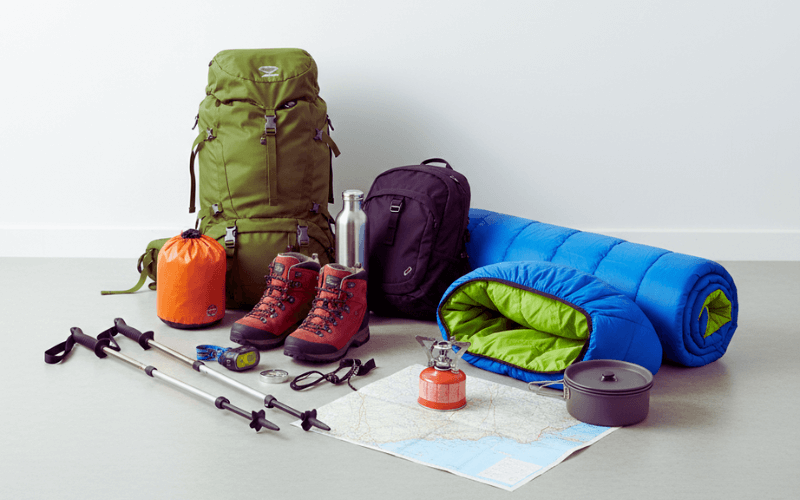
Worth renting in Kathmandu: a down jacket ($1 to $3 a day), a −15°C to −20°C sleeping bag ($1 to $3 a day), and trekking poles ($0.50 to $1 a day). Thamel has dozens of established gear shops; checking zippers and seams before committing is worthwhile.
Worth buying before departure: properly broken in hiking boots (blisters at altitude are miserable, don't buy these the week before), moisture wicking base layers, a good headlamp, and a personal first aid kit. That kit should include altitude sickness medication such as acetazolamide (prescribed at home, not sourced locally), basic pain relief, blister care, and any regular personal medication, since pharmacy access thins out fast past Namche. This isn't just a cost line, it's part of what keeps a minor issue from becoming an expensive helicopter ride. For a full packing breakdown, see our essential Himalayan trekking gear guide.
How EBC compares to Nepal's other major treks
| Trek | Average cost (12 to 15 days, guided) | Difficulty | Permits required |
|---|---|---|---|
| Everest Base Camp | $1,400 to $2,500 | Strenuous, high altitude | Sagarmatha NP, Khumbu Rural Municipality |
| Annapurna Circuit | $900 to $1,600 | Moderate to strenuous | Annapurna Conservation Area (ACAP), TIMS via agency |
| Manaslu Circuit | $1,300 to $2,200 | Strenuous, restricted area | Manaslu Restricted Area Permit, ACAP, MCAP |
| Langtang Valley | $700 to $1,300 | Moderate | Langtang National Park, TIMS via agency |
EBC costs more mostly because of the Lukla flight, which has no real substitute, and because the entire supply chain above Lukla runs on porters and yaks rather than jeep roads reaching partway into the trailhead, as in the Annapurna and Langtang regions, a structural factor that keeps the everest base camp trek cost 2026 above its regional peers. Manaslu sits closer to EBC in cost since it's a restricted area requiring a special permit and typically a minimum group size. Langtang is the most budget friendly of the four largely because most of the way to the trailhead is drivable from Kathmandu, cutting out the flight entirely. Our Manaslu vs. Annapurna comparison breaks down the trade-offs in more detail.
Ten ways to reduce trek cost
For trekkers who want to keep costs down without cutting guide or safety standards, the strategies below make the biggest difference, and much of this thinking is already built into Outshine's Budget EBC trek package for anyone who'd rather start from a lower-cost itinerary than build one from scratch.
- Travel with at least one other person and split the guide and porter fee, often the single largest saving available and one of the fastest ways to bring down the everest base camp trek cost 2026.
- Trek in shoulder season (late February, early March, or early December), where flights and lodges cost less but weather is still generally workable.
- Bring snacks and a basic first aid kit from home instead of buying them at inflated trail prices.
- Carry a water treatment method (tablets or a filter) rather than buying bottled water above Namche.
- Book with a local Kathmandu based agency directly rather than through a foreign reseller adding a margin.
- Choose the Ramechhap route for the Lukla flight during peak season, often cheaper than the direct Kathmandu fare even with the added ground transfer.
- Skip the porter when comfortable carrying a lighter pack, and redirect that $250 to $450 toward insurance or a buffer day.
- Rent gear in Kathmandu instead of buying items that will only be used once, particularly the down jacket and sleeping bag.
- Buy travel insurance at home before arriving in Nepal; some insurers charge more, or won't cover trekkers already in country.
- Build in one buffer day rather than a tight schedule that forces an expensive helicopter option if the Lukla flight is delayed.
Is EBC Trek worth the money?
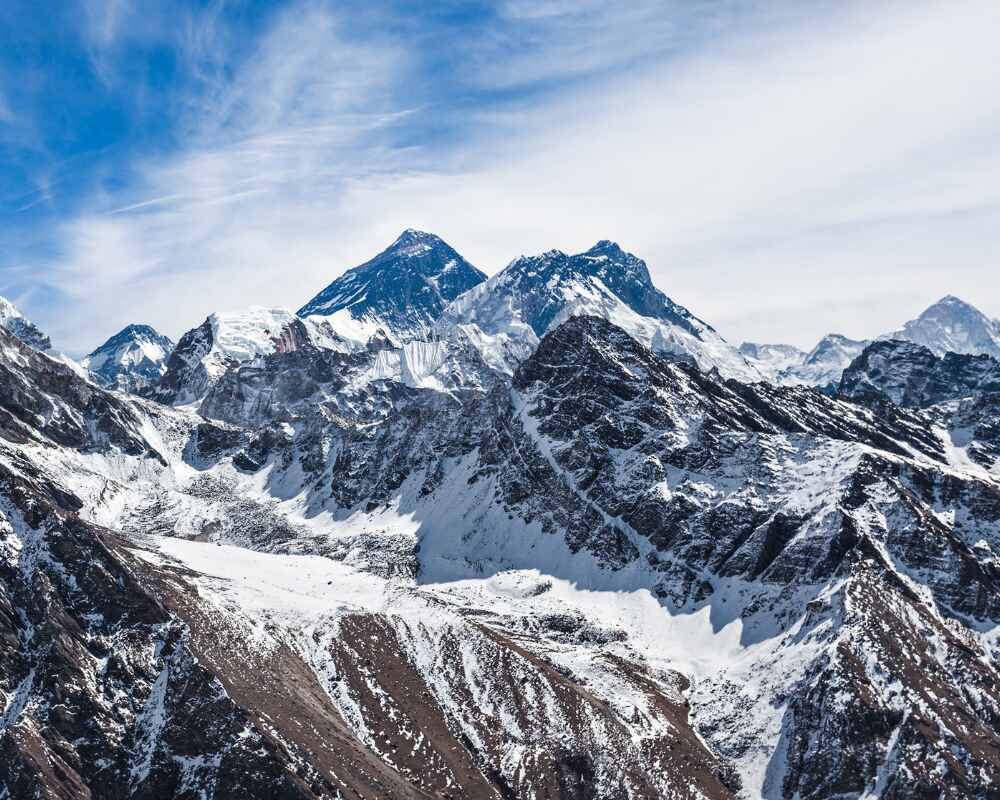
For most people who budget realistically rather than chasing the cheapest number on a comparison site, yes. A guided hut to hut trek in the European Alps with meals and lodging can run $150 to $250 a day, and a comparable guided trek in Patagonia with camp support often runs $200 to $350 a day. At roughly $100 to $180 a day all in, once the full everest base camp trek cost 2026 is averaged out, it delivers one of the more dramatic landscapes on the planet for genuinely less than most comparable high altitude experiences elsewhere. The trade off is real: basic lodging, simple food, cold nights, and altitude that slows everyone down regardless of fitness level. For travelers who see that as an honest trade rather than a disappointment, it's worth every dollar.
Frequently Asked Questions
How much cash should I carry on the EBC trek? Most of what's needed should be withdrawn in Namche Bazaar, the last reliable ATM on the route. Budget $400 to $700 in Nepali rupees for a 12 to 14 day trek covering food, extras, and tips, in small denominations since change gets scarce higher up.
Can I pay by card on the trail? Rarely, and it shouldn't be relied on. A handful of lodges in Namche accept cards with a surcharge, but above that, it's cash only.
Do I need a guide for EBC? Yes. Since April 2023, every foreign trekker must be accompanied by a licensed guide booked through a registered agency to enter Sagarmatha National Park.
Is EBC cheaper without a guide? Not legally possible for foreign nationals anymore. What can be controlled is guide selection, group size, and season, all of which affect cost far more than trying to skip a now mandatory requirement.
Does cost change by season? Yes, meaningfully. Peak season (spring and autumn) runs 15% to 25% higher across flights, lodging, and package prices than shoulder or off season.
How much should be budgeted for tips? Plan on $150 to $250 for a guide and $100 to $150 for a porter across a standard 12 to 14 day trek, paid in cash at the end.
What's the biggest hidden cost people underestimate? Bottled water and extra nights from Lukla flight delays, both easy to forget when budgeting from a package quote alone.
Is travel insurance really necessary? Yes, without question. A helicopter rescue without cover can cost $2,000 to $6,000 depending on evacuation altitude, and a proper policy costs a fraction of that.
Conclusion
A standard guided Everest Base Camp trek costs roughly $1,400 to $2,500 for a mid range experience, and that range remains the most reliable anchor for the everest base camp trek cost 2026, with premium and helicopter return options running higher and lean solo budgets slightly lower before insurance and tips. Group size, season, and daily comfort level drive most of that variation, while permits, a licensed guide, and Lukla flights remain fixed, non negotiable costs.
Quick guidance by traveler type:
| Traveler Type | Estimated Total Budget |
|---|---|
| Solo | $1,700 to $2,300 |
| Couple (each) | $1,750 to $1,900 |
| Small group of 4+ (each) | $1,300 to $2,100 |
Splitting a guide and porter with others is the single biggest saving available, and traveling in peak season adds a real 15 to 25% premium. Regardless of group size, insurance with helicopter evacuation cover and a buffer day on each end of the trek are worth never cutting.
Why Choose Outshine Adventure?
Outshine Adventure, based in Kathmandu, builds its Everest Base Camp packages on clear pricing and no hidden costs, so nothing new comes up at 4,500 meters.
- Experienced, licensed guides and small group departures
- Vetted, quality teahouse accommodation
- Safety first approach, with proper altitude sickness training
- Flexible itineraries and 24/7 support
- Local pricing and on the ground expertise, without cutting corners on safety
Ready for a number specific to your dates and group size, based on the current everest base camp trek cost 2026? Request a personalized quotation or custom itinerary today.