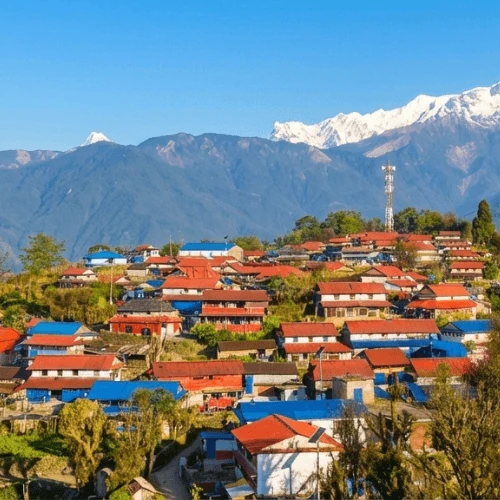
Nepal keeps revealing new trekking possibilities even as classic routes draw steady crowds. Government initiatives have opened several lesser-known trails in recent years, giving access to remote villages, diverse ecosystems, and cultural traditions that many visitors never encounter on standard itineraries. These newer paths let travelers experience authentic Himalayan life away from the busiest corridors while supporting community development in areas working to build sustainable tourism infrastructure. Outshine Adventure actively includes these routes in our offerings, drawing on local knowledge to ensure smooth operations and positive impacts for the regions involved.
The common thread across these new open trekking options centers on genuine discovery. Routes pass through communities where daily routines still revolve around farming, herding, and traditional crafts. Trails wind through forests that change dramatically with elevation, from subtropical vegetation to rhododendron groves and alpine meadows. Wildlife sightings become more likely in quieter zones, and mountain views often feel more personal because fewer people share the same vantage points. This category appeals particularly to repeat visitors seeking fresh experiences and first-timers wanting to avoid heavy foot traffic while still enjoying strong Himalayan scenery.
What Makes These Routes Stand Out
New open trekking areas often feature strong cultural elements alongside natural beauty. Many routes highlight specific ethnic communities that maintain distinct languages, clothing styles, and festivals. Infrastructure improvements in recent years include basic teahouses, improved trails, and trained local guides, making these destinations viable without sacrificing their remote character. The shorter durations of several options suit travelers with limited time who still want meaningful immersion rather than rushed sightseeing.
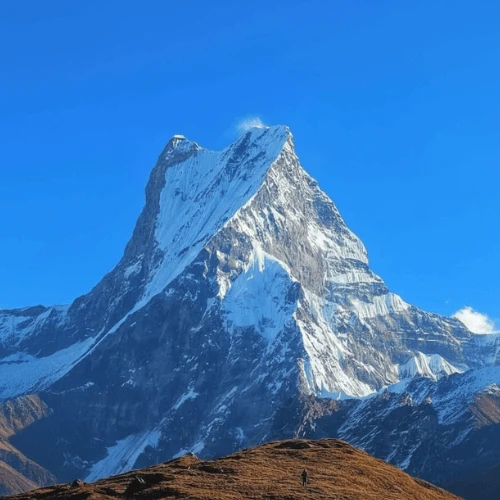
Our selection covers different regions and difficulty levels. In the Annapurna area, the Mardi Himal Trek stands out for its ridge-top walking and close encounters with Machhapuchhre and surrounding peaks. This 12-day moderate route suits people with some prior hiking experience who appreciate quieter trails and excellent viewpoints without the full commitment of longer circuits. It pairs well with extensions or combinations involving Annapurna Base Camp Trekking.
The Tamang Heritage Trekking offers a seven-day cultural focus north of Kathmandu. Participants walk through Tamang villages, visit monasteries, and gain insight into a community with close historical ties to Tibetan traditions. The route includes hot springs, ridge walks with Langtang range views, and homestay opportunities that deepen connections with local families. This itinerary works especially well for those interested in ethnography alongside moderate physical activity.
Khopra Danda Trek provides a seven-day alternative in the Annapurna region with strong sunrise views and a side trip to the sacred Khayer Lake. Its easier grading makes it accessible for a broader range of fitness levels while still delivering panoramic mountain scenery and Gurung village hospitality. Many travelers compare it favorably to more crowded paths like Ghorepani Poon Hill for its balance of views and solitude.
Other notable options include the Numbur Cheese Circuit Trekking, which explores dairy traditions and Sherpa culture in the Solu region over 14 days, and the Ghalegaun Trek, a shorter seven-day village-based walk with strong community interaction. The Indigenous People Trekking and Sirubari Village Trekking emphasize homestays and cultural exchange, while routes like Dudh Pokhari Trekking,Bhairab Kunda Trekking, and Machhapuchhre Trekking add variety in landscape and challenge level.
These newer trails complement our broader collection. Travelers often combine them with classic Everest Base Camp Trekking or Annapurna Circuit Trek for contrast, or add peak climbing elements like Island Peak for those building technical skills. Helicopter tours can provide efficient access or scenic overviews, while cultural tours in Kathmandu or Pokhara offer smooth transitions before or after mountain time.
Best Seasons and Route Considerations
March through May and September through December generally deliver the most reliable conditions across these routes. Spring brings blooming rhododendrons and milder temperatures at higher elevations, while autumn features clear skies and comfortable daytime walking. Winter works for lower sections with proper preparation, and summer monsoons affect visibility but green the landscapes dramatically.
Difficulty varies meaningfully. Some routes like Khopra Danda remain relatively accessible with steady but manageable gradients. Others involve steeper sections, ridge walking, or higher altitude camping that require good fitness and prior hiking experience. We assess each traveler's background during planning to recommend suitable pacing and support levels. Acclimatization receives careful attention on any route reaching significant elevation.
Practical Elements of These Treks
Teahouse accommodations along new open routes range from simple family-run lodges to slightly more comfortable options in developed villages. Meals typically feature local dal bhat, fresh vegetables, and noodle dishes that provide solid energy for walking days. Our teams work with community operators to maintain consistent quality while supporting local economies directly.
Safety remains central to our operations. Experienced guides familiar with these specific trails monitor weather, trail conditions, and group fitness daily. We provide necessary permits, including TIMS cards and conservation fees, and maintain communication systems for remote sections. Responsible practices include waste management guidelines, fair staff compensation, and encouragement of low-impact visiting.
Who These Treks Suit
New open trekking attracts a wide range of people. Independent travelers seeking off-the-beaten-path experiences find satisfaction in the quieter atmosphere and cultural access. Families with older children appreciate routes with cultural focus and moderate physical demands. Groups of friends often choose them for shared adventure without the intensity of major expeditions. Solo hikers value the safety net of professional support while enjoying personal reflection time on the trail.
Fitness requirements remain reasonable for most routes with proper preparation. Cardiovascular conditioning and some hill walking experience help, but we provide training suggestions and gear guidance well in advance. Many participants combine these treks with yoga sessions or wellness elements for balanced journeys.
Why Outshine Adventure for New Routes
Our Nepal-based team maintains close relationships with communities along these newer trails. This connection helps us navigate seasonal changes, support local initiatives, and resolve small issues quickly. Professional guides receive ongoing training in both technical skills and cultural interpretation, ensuring travelers receive accurate information and respectful interactions.
We customize every itinerary. Some groups prefer homestay emphasis, others want stronger mountain views or specific festival timing. Flexible planning allows adjustments for weather, fitness, or emerging interests during the trip itself. Past clients frequently mention the balance of structure and freedom our approach provides.
Our commitment extends beyond individual trips. We support conservation efforts in these regions and advocate for sustainable development that benefits residents long-term. This philosophy aligns with broader goals for Himalayan tourism that preserves what makes these places special.
Travel Tips for New Open Trekking
Pack versatile layers for temperature swings between valleys and ridges. Sturdy trekking shoes with good grip handle varied terrain effectively. Bring reusable water bottles and purification methods, as clean drinking water matters at every stop. A lightweight daypack proves useful for side excursions, while a larger duffel works for main luggage carried by porters.
Respect local customs around photography, monastery visits, and village interactions. Learning a few basic Nepali phrases goes far in building rapport. Keep an open mind about schedule changes caused by weather or trail conditions flexibility often leads to the best memories.
We provide comprehensive pre-trip briefings covering everything from altitude considerations to cultural etiquette. Our blog articles offer additional insights on packing, training, and what to expect in different seasons.
Moving Forward with Your Plans
New open trekking routes expand possibilities for authentic Himalayan experiences. Whether you choose a short cultural walk like Tamang Heritage Trekking or a more adventurous ridge route like Mardi Himal Trek, these options deliver fresh perspectives on Nepal's mountain regions. They work well as standalone trips or as components of longer journeys that might include Langtang Valley Trekking,Manaslu Circuit Trekking, or extensions into Bhutan or Tibet.
Our team stands ready to help design the right program for your interests, timeline, and fitness level. Contact us to discuss specific routes, combine options, or create something entirely custom. The mountains continue offering new paths for those willing to explore them thoughtfully, and we take pride in facilitating journeys that respect both the land and its people while creating lasting memories for every traveler.
Explore our full range of Nepal trekking options or reach out today to start planning your next adventure on these emerging trails. The quieter corners of the Himalayas await, and we know how to help you experience them safely and meaningfully.


 based on 1 review