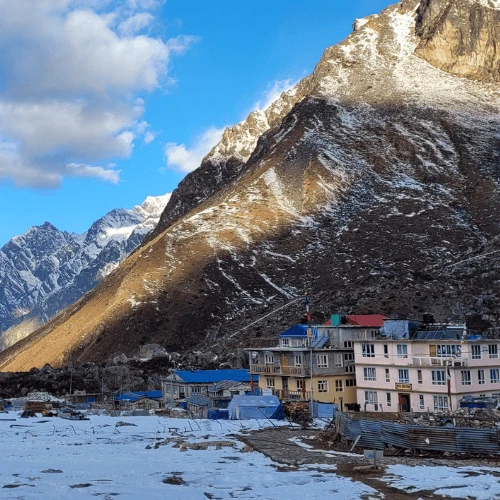
Langtang stands out among Nepal’s trekking regions for its accessibility from Kathmandu and its strong Tibetan cultural influence. Located just north of the capital along the border with Tibet, this valley offers a complete Himalayan experience within a manageable timeframe. Trekkers walk through ancient forests, past grazing yaks, and into high alpine zones where snow-capped peaks frame the skyline. The area recovered steadily after the 2015 earthquake, with local communities rebuilding teahouses and trails that now welcome visitors with renewed warmth and improved facilities. Outshine Adventure has operated here for years, working closely with residents to support responsible tourism that benefits the region long-term.
The Langtang region delivers a balance many travelers seek dramatic mountain scenery, cultural depth, and trails that suit different fitness levels and timeframes. Rhododendron forests burst with color in spring, while autumn brings crisp air and clear views of peaks like Langtang Lirung. Wildlife such as Himalayan tahr and various bird species appear more readily on these quieter paths. The Tibetan-influenced villages along the route add another layer, with monasteries, prayer wheels, and traditional architecture that reflect centuries of cross-border exchange.
Why Langtang Remains a Strong Choice
Proximity to Kathmandu makes Langtang practical for travelers with limited schedules or those wanting to minimize internal flights. Roads reach Syabrubesi or Dunche, from where trails begin. This accessibility does not diminish the sense of remoteness once you leave the road head. The valley narrows dramatically in places, creating intimate settings where mountains feel close enough to touch. Many people combine Langtang with Gosainkunda lakes or Helambu for extended journeys, creating natural progressions that build both fitness and cultural understanding.
Our packages reflect the variety available. The Langtang Valley Trekking serves as the foundation for many first visits. This eight-day moderate route follows the valley floor to Kyanjin Gompa, with options for side trips to Tserko Ri for panoramic views. It suits beginners with good fitness or families looking for rewarding days without extreme altitude demands. The Tibetan-style villages and cheese factories along the way provide engaging stops that highlight local livelihoods.
The Gosaikunda Trekking adds spiritual and scenic elements over eleven days. Trekkers cross high ridges to reach the sacred lakes, important pilgrimage sites for both Hindus and Buddhists. The route includes dramatic passes and opportunities to witness religious practices that have continued for generations. This option appeals to those wanting more elevation gain and a mix of natural beauty with cultural significance.
For more adventurous travelers, the Ganjala Pass Trekking orLangtang Gosaikunda and Helambu Trek create challenging circuits. The 12-day Ganjala Pass route crosses a technical high pass with views of multiple ranges, requiring solid fitness and some scrambling experience. The longer 19-day combination links three distinct areas, offering comprehensive exploration of the region’s diversity. These longer programs work well for experienced hikers seeking comprehensive immersion.
TheHelambu Trekking provides a gentler alternative with strong Gurung and Sherpa cultural elements. Its 21-day duration allows ample time for village visits and acclimatization. Many compare it favorably to Langtang proper for its forested sections and lower crowd levels in certain seasons.
These routes connect naturally with other experiences we offer. Travelers often pair Langtang with Everest Base Camp Trekking for contrast between regions or add peak climbing objectives like Island Peak after building fitness here. Helambu Trekking links easily with Kathmandu cultural tours, while Gosaikunda Pass Trek complements wildlife-focused extensions or helicopter tours for aerial perspectives.
What to Expect on the Trail
Days typically involve steady walking through varied terrain. Lower sections feature dense forests and waterfalls, while higher reaches open into wide valleys with glacial rivers. Teahouses provide simple but comfortable lodging with communal dining areas where stories flow easily among international guests and local staff. Meals center on nutritious Nepali and Tibetan dishes that sustain energy for the trail. Guides from the region share knowledge about plants used in traditional medicine, local history, and changes visible since the earthquake recovery efforts.
Altitude management receives careful attention. Routes include built-in acclimatization days, and our teams monitor group members closely. The highest points, whether Tserko Ri or Ganjala Pass, reward the effort with sweeping views that encompass Langtang Lirung, Ganesh Himal, and distant Tibetan peaks. Wildlife and birdwatching opportunities increase in less-disturbed sections, adding another dimension to the journey.
Best Seasons and Practical Considerations
March to May and September to December offer the most favorable conditions. Spring brings wildflowers and rhododendron blooms that transform the forests. Autumn delivers stable weather and sharp mountain visibility. Winter suits lower trails for those seeking solitude, while summer monsoons bring lush greenery but reduced visibility and trail challenges.
Difficulty levels range from moderate valley walks to more demanding pass crossings. Most routes remain accessible with good preparation. We assess each traveler’s experience during planning to recommend appropriate pacing and support. Proper footwear, layered clothing, and a positive attitude help immensely, along with respect for local customs around monasteries and villages.
The Value of Choosing Outshine Adventure
Our Nepal-based team brings intimate knowledge of these trails and strong relationships with local operators. Professional guides hold government licenses and receive continuous training in safety, first aid, and cultural interpretation. We handle all permits, including TIMS cards and conservation fees, while maintaining transparent communication throughout planning and the trip itself.
Safety standards include comprehensive medical kits, reliable communication devices, and evacuation protocols when needed. Responsible tourism guides our operations waste management practices, fair wages for staff and porters, and support for community projects that aid post-earthquake reconstruction. These efforts ensure your visit contributes positively to the areas you explore.
Many past participants highlight the personal connections formed with guides and villagers. Our flexible approach allows adjustments based on weather, group preferences, or emerging interests. Whether you travel solo, as a couple, with family, or in a larger group, we tailor support to match your needs.
Travel Tips for Langtang Region
Pack clothing that layers effectively for temperature shifts between daytime sun and cooler nights. A good rain jacket handles afternoon showers common in certain seasons. Trekking poles prove useful on steeper sections or when crossing streams. Bring reusable water bottles and purification tablets, as clean hydration matters at every elevation.
Respectful behavior enhances every interaction. Ask permission before photographing people or inside religious sites. Learn basic greetings in Tamang or Tibetan to build rapport. Keep an open mind about schedule changes caused by weather flexibility often leads to unexpected positive experiences.
We provide detailed packing lists and training recommendations well in advance. Our blog articles cover topics ranging from altitude awareness to cultural etiquette, helping travelers prepare thoroughly.
Planning Your Langtang Adventure
Langtang offers an ideal introduction to Himalayan trekking or a refreshing return for experienced walkers. Its combination of accessibility, cultural richness, and mountain scenery creates journeys that stay with people long after they return home. Whether you choose the classic Langtang Valley Trekking, the spiritually significant Gosaikunda Trekking, or a more challenging pass route, these trips deliver authentic experiences supported by professional operations.
Our team stands ready to help design the right program for your timeframe and interests. Contact us to discuss specific routes, combine options with other regions, or create something entirely custom. The Langtang Valley continues welcoming visitors with its unique blend of natural beauty and cultural depth, and we take pride in facilitating journeys that respect the land and its people while creating lasting memories.
Explore our full selection of Langtang trekking packages or reach out today to begin planning. The trails north of Kathmandu offer something special for every type of traveler, and we know how to help you experience them safely and meaningfully. Your Himalayan adventure in one of Nepal’s most accessible yet rewarding regions starts with a conversation.


 based on 9 reviews
