Overview of the Wildlife Adventure
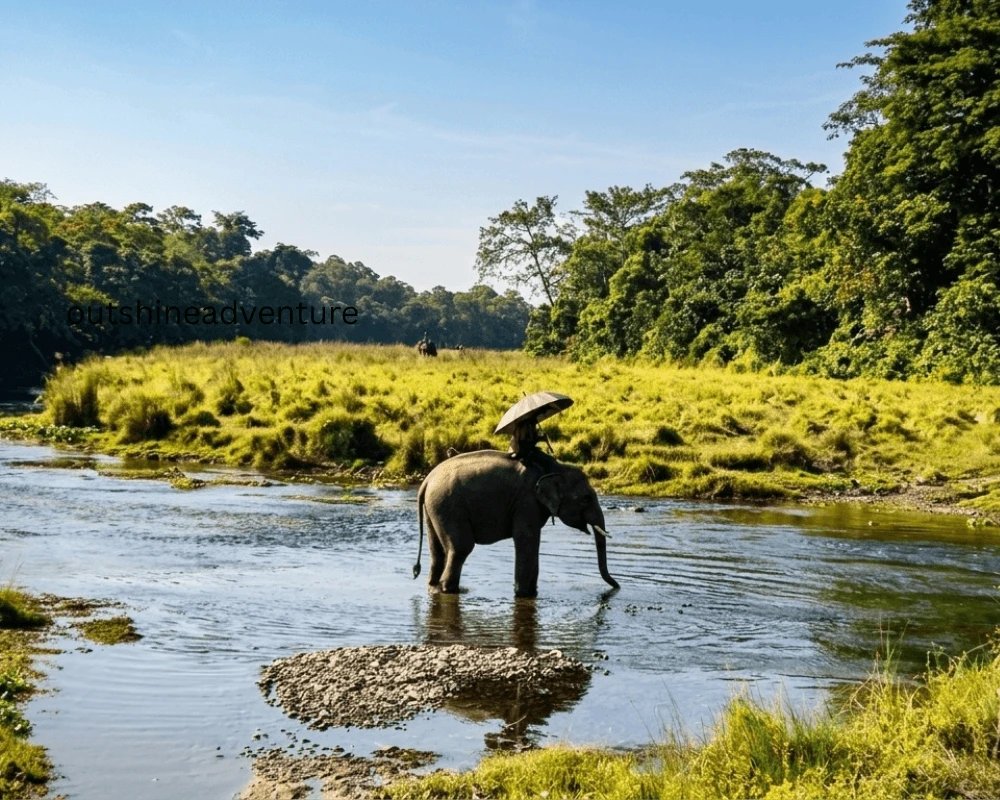
When people think about Nepal, the first image that usually comes to mind is the towering Himalayas. Yet far from the snowy peaks lies another side of the country that is just as fascinating: the wildlife-rich plains of the Terai. Stretching across southern Nepal, this region is home to dense forests, tall elephant grasslands, winding rivers, and some of Asia’s most remarkable wildlife habitats.
Among the highlights of the Terai are Chitwan National Park and Bardia National Park, two protected areas known for their thriving populations of rare animals and birds. Together these parks offer one of the most rewarding wildlife safari experiences in South Asia.
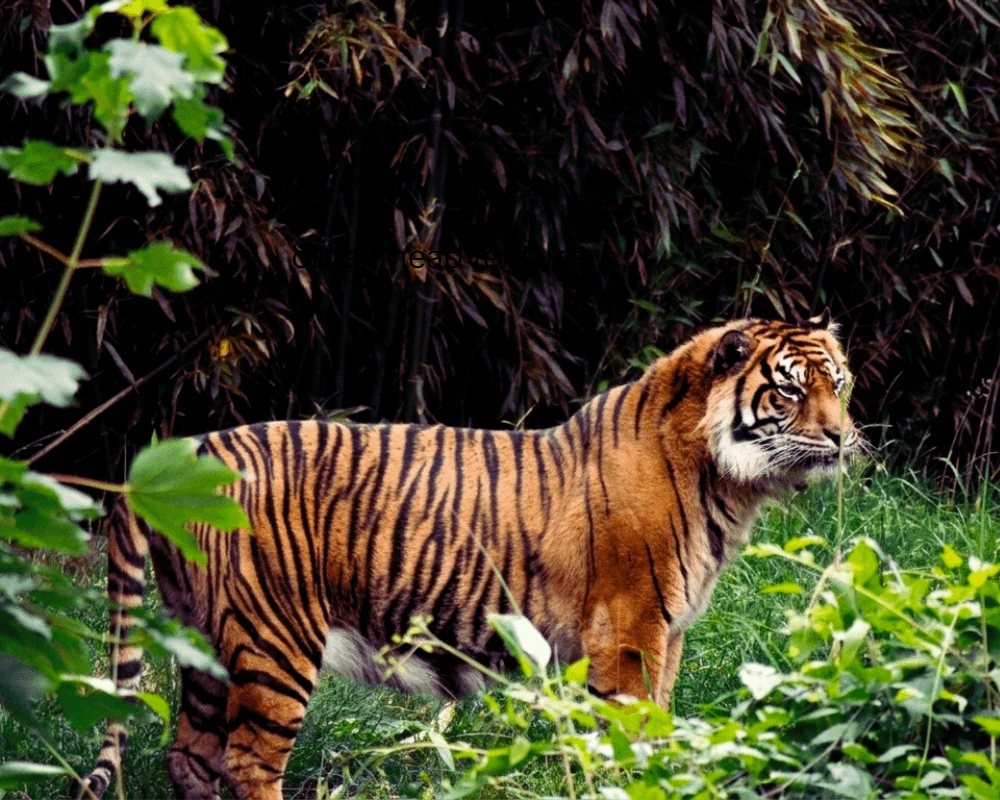
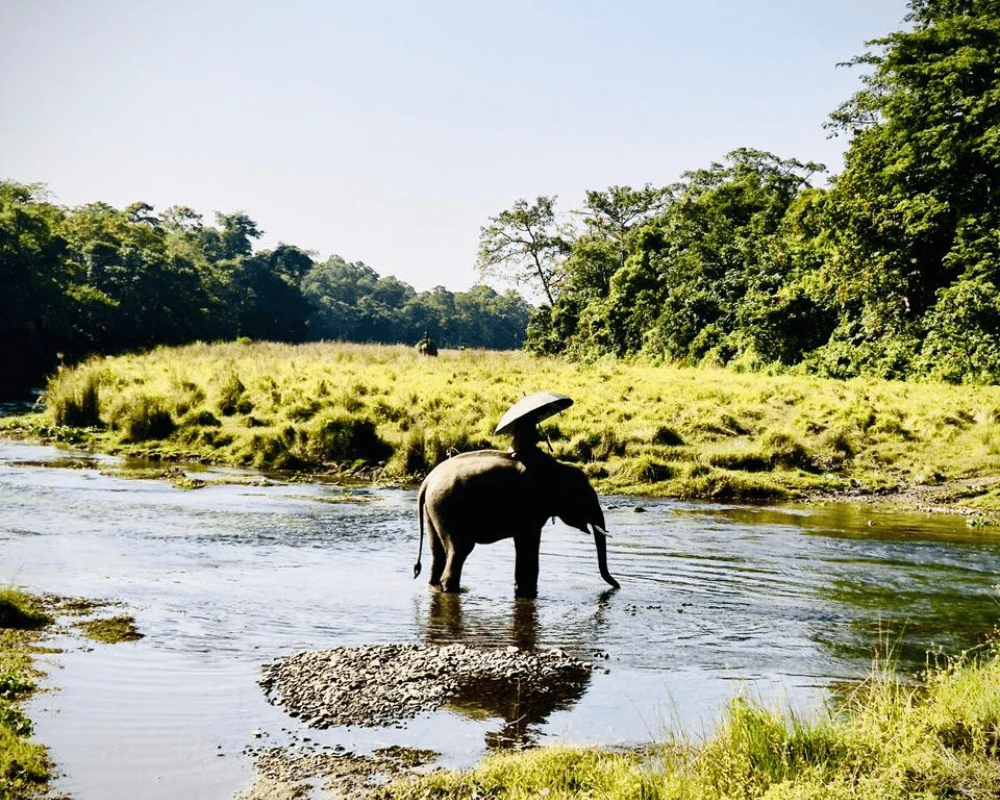
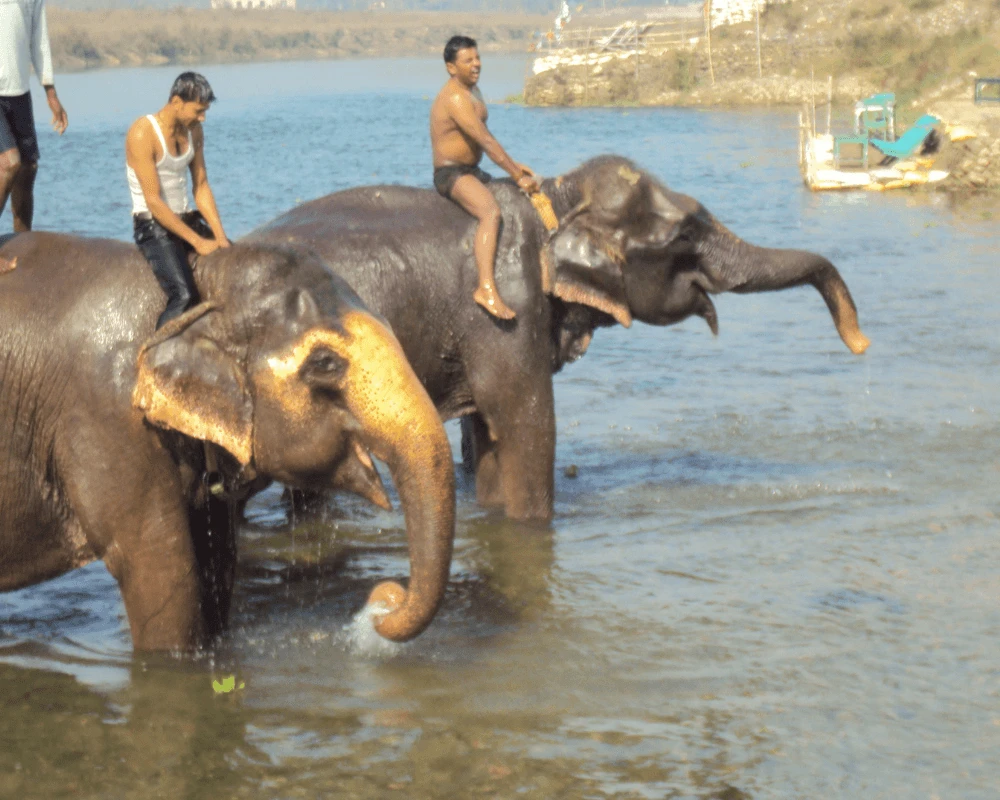
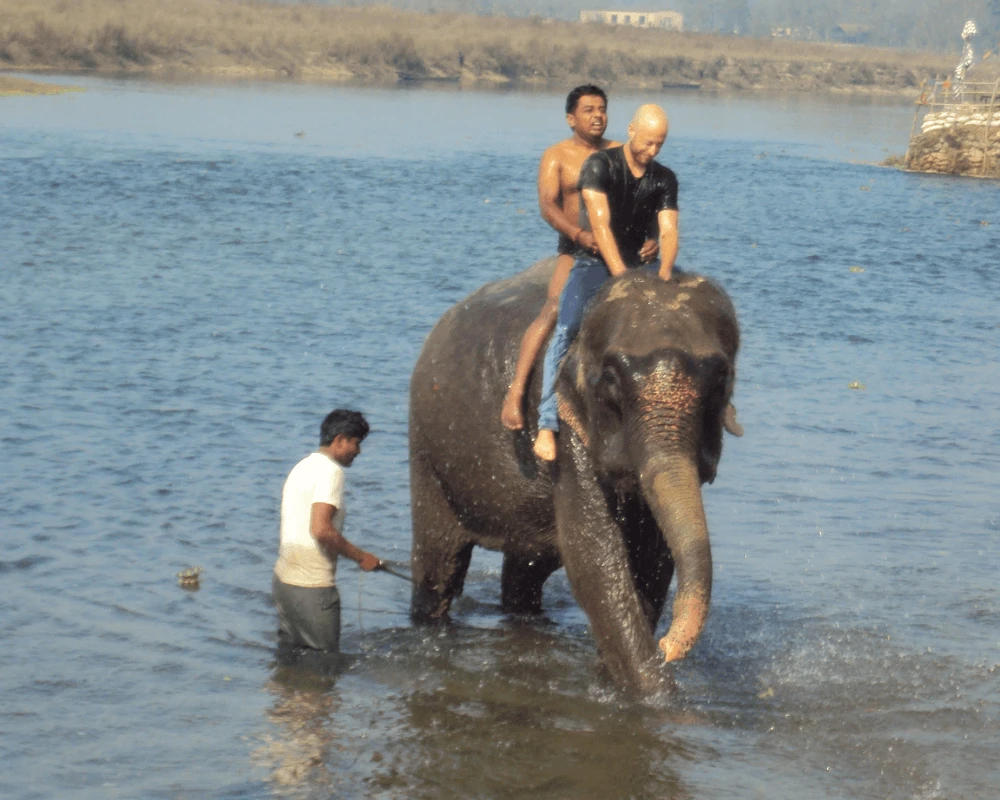
This 14-day Chitwan and Bardia National Park wildlife safari is designed for travelers who want to experience Nepal beyond trekking. The journey combines jungle safaris, river excursions, bird-watching, and cultural encounters with local communities. Along the way, you may encounter Nepal’s famous “Big Three” wildlife species: the Bengal tiger, the greater one-horned rhinoceros, and the Asian elephant.
Traveling mostly by road, the itinerary also offers a deeper look at Nepal’s landscapes, from river valleys and farmland to remote jungle wilderness. It is not just a wildlife trip; it is a journey through the diverse geography and culture of Nepal.
Why Visit Chitwan and Bardia National Parks
Chitwan and Bardiya, both parks, play a crucial role in Nepal’s conservation success story. In fact, Chitwan National Park became Nepal’s first national park and was later recognized as a UNESCO World Heritage Site because of its ecological importance.
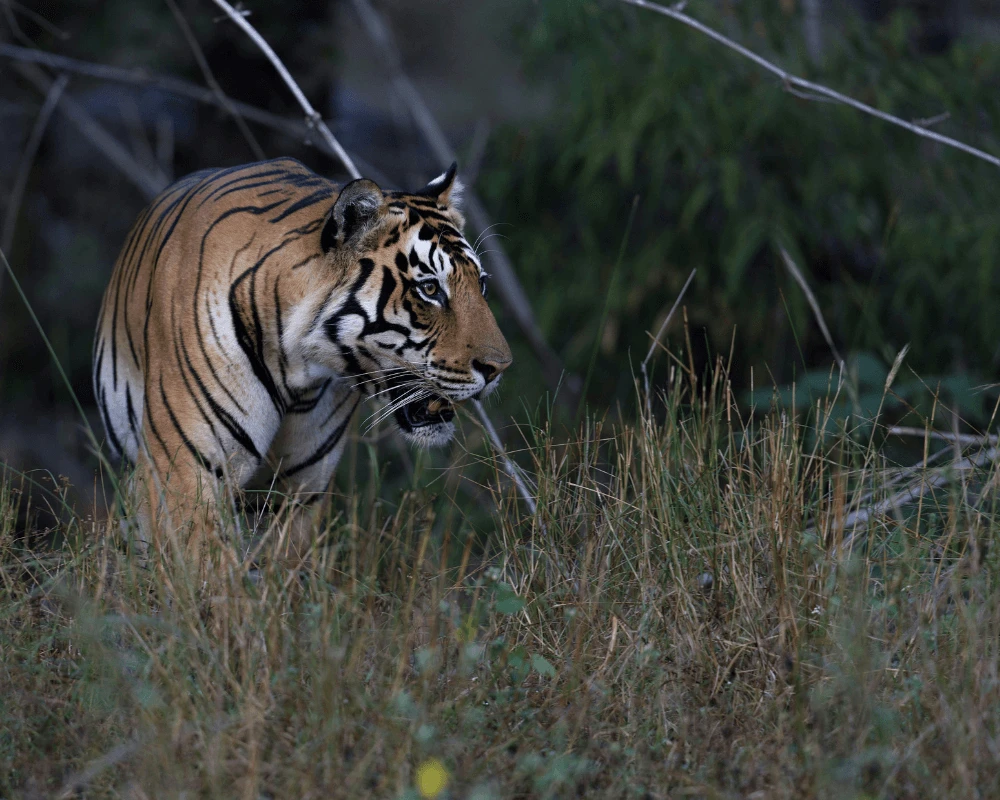
Chitwan is known for its accessibility and high density of wildlife, especially the one-horned rhinoceros. Bardia, on the other hand, lies farther west and remains quieter and less crowded. Because of its remote wilderness and extensive grasslands, it is considered one of the best places in Nepal for spotting the elusive Bengal tiger.
Visiting both parks in a single journey allows travelers to experience two very different wildlife environments. Chitwan offers classic jungle safaris and river adventures, while Bardia provides a more raw and immersive wildlife experience.
14-Day Safari Short Itinerary
Day 1: Arrival in Kathmandu
Day 2: Scenic drive to Chitwan National Park
Day 3: Canoe safari on the Rapti River and guided jungle walk
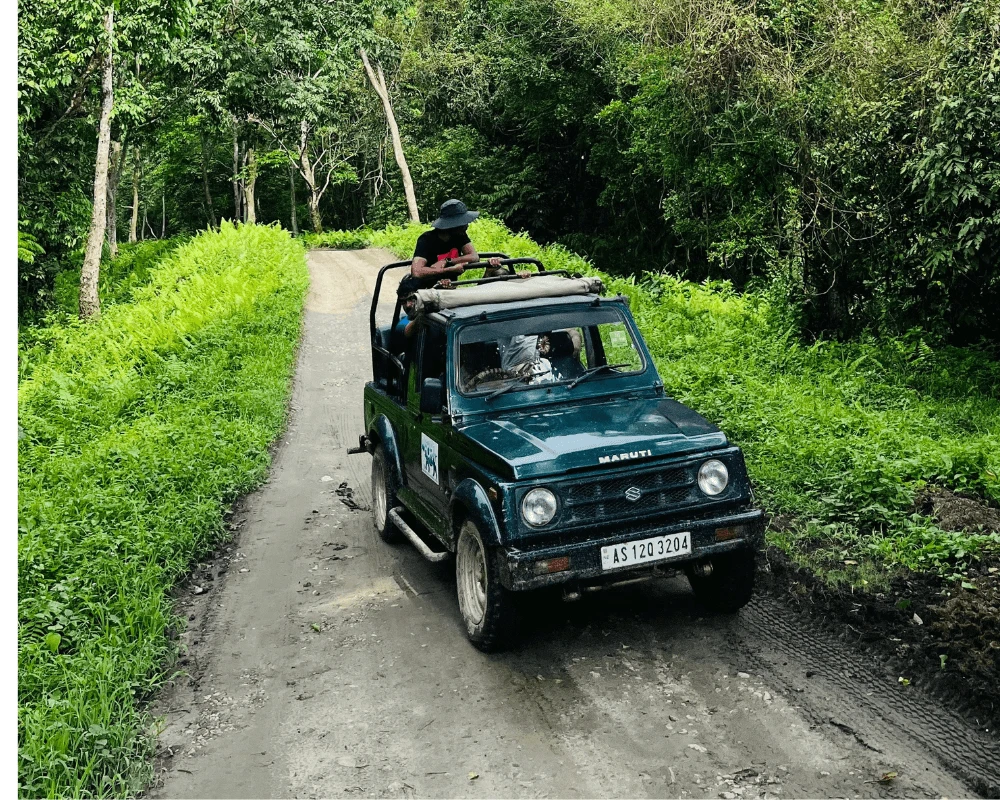
Day 4: Full-day jeep safari in Chitwan’s core jungle areas
Day 5: Birdwatching at Beeshazari Tal and visit to a traditional Tharu village
Day 6: Drive to Lumbini
Day 7: Journey to Bardia National Park
Day 8: Guided tiger tracking experience in Bardia
Day 9: Jeep safari through Bardia’s grasslands and forests
Day 10: River safari on the Karnali River with possible dolphin sightings
Day 11: Visit to Khairapur Blackbuck Conservation Area
Day 12: Drive to the hill town of Tansen
Day 13: Return drive to Kathmandu
Day 14: Departure from Tribhuvan International Airport
Wildlife You May Encounter.
The Terai region supports an extraordinary range of wildlife. Some of the mammals frequently found in these parks include:
Leopard, sloth bear, chital, sambar deer, Rhesus macaque, gray langur
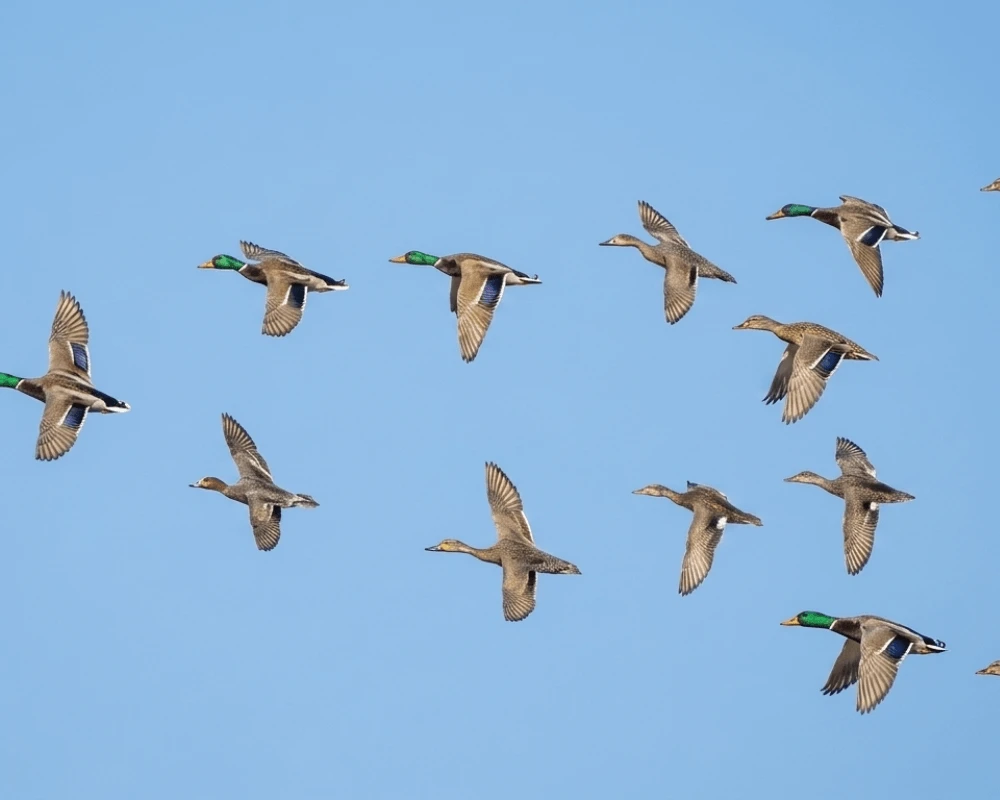
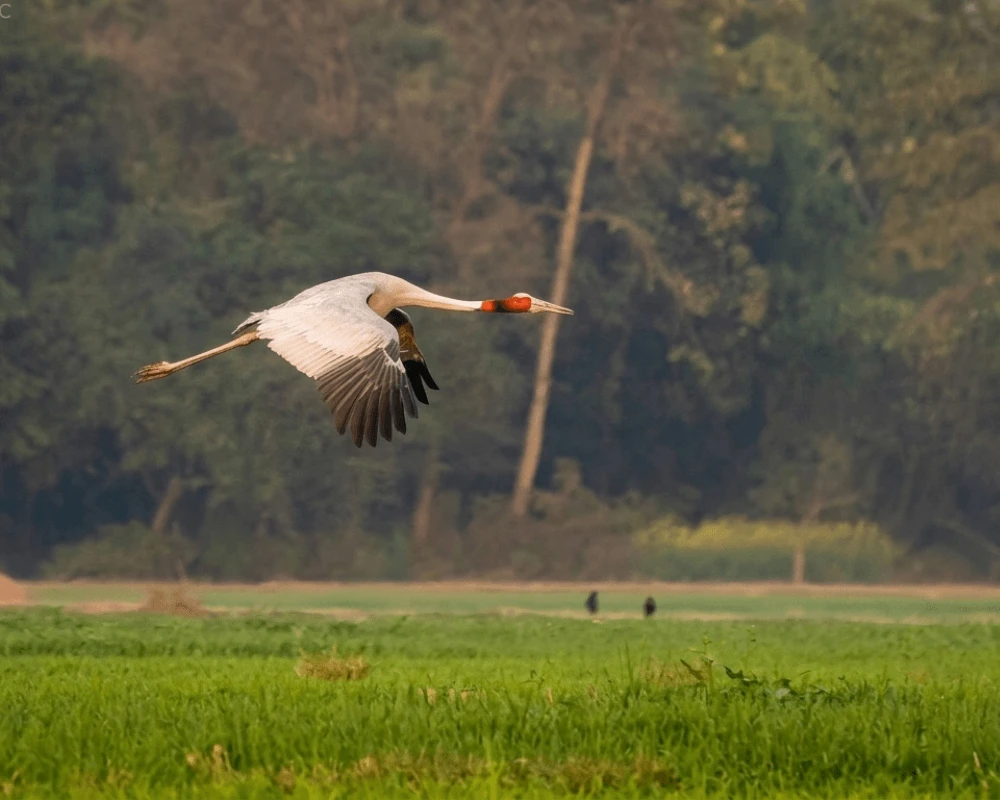
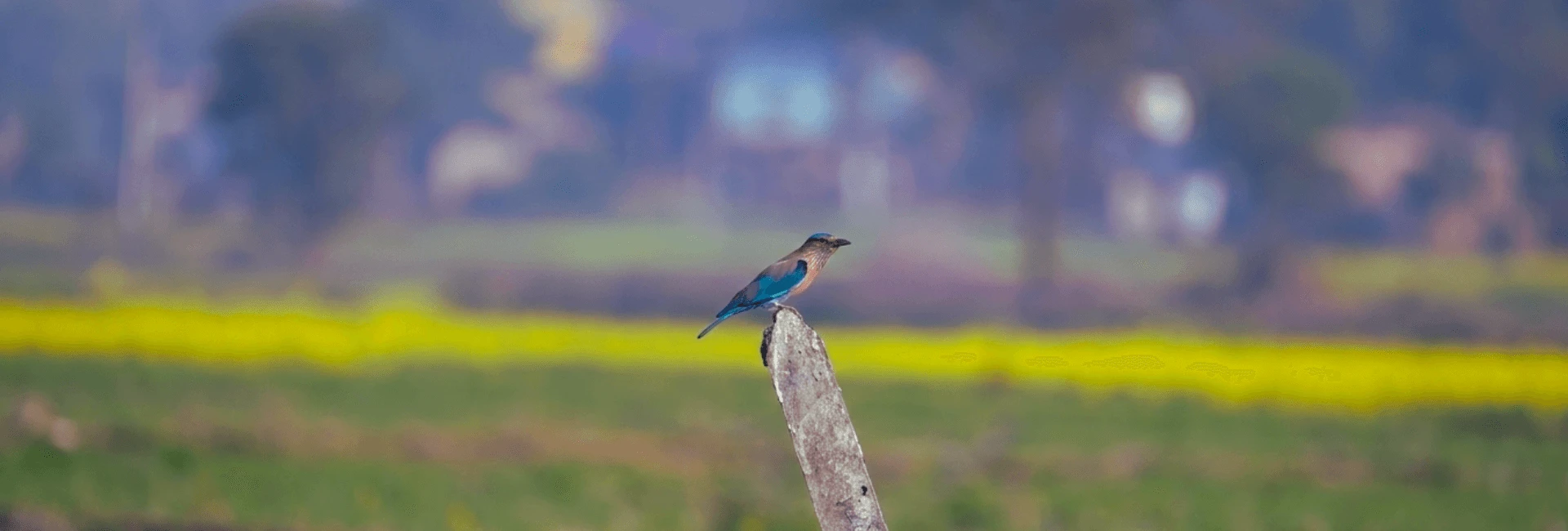
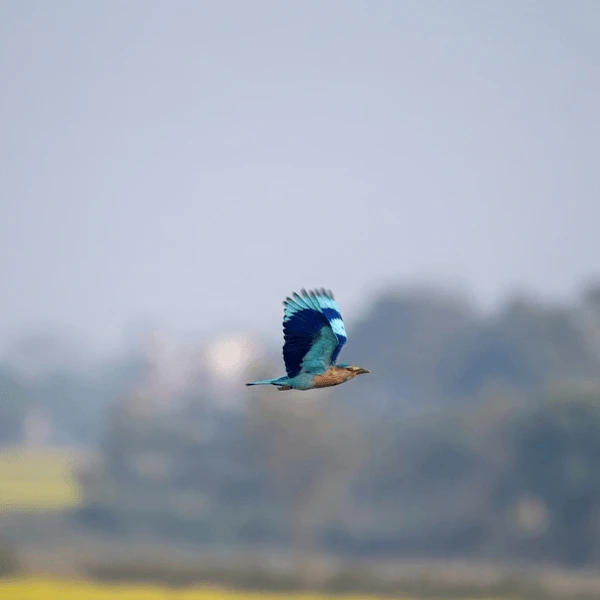
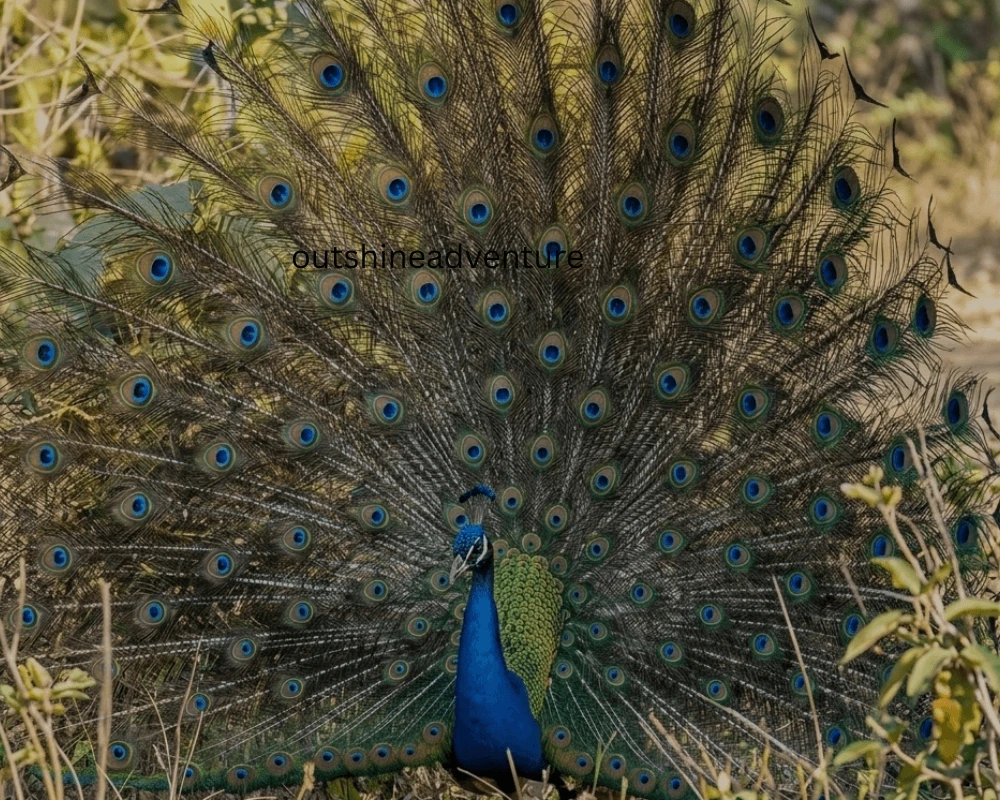
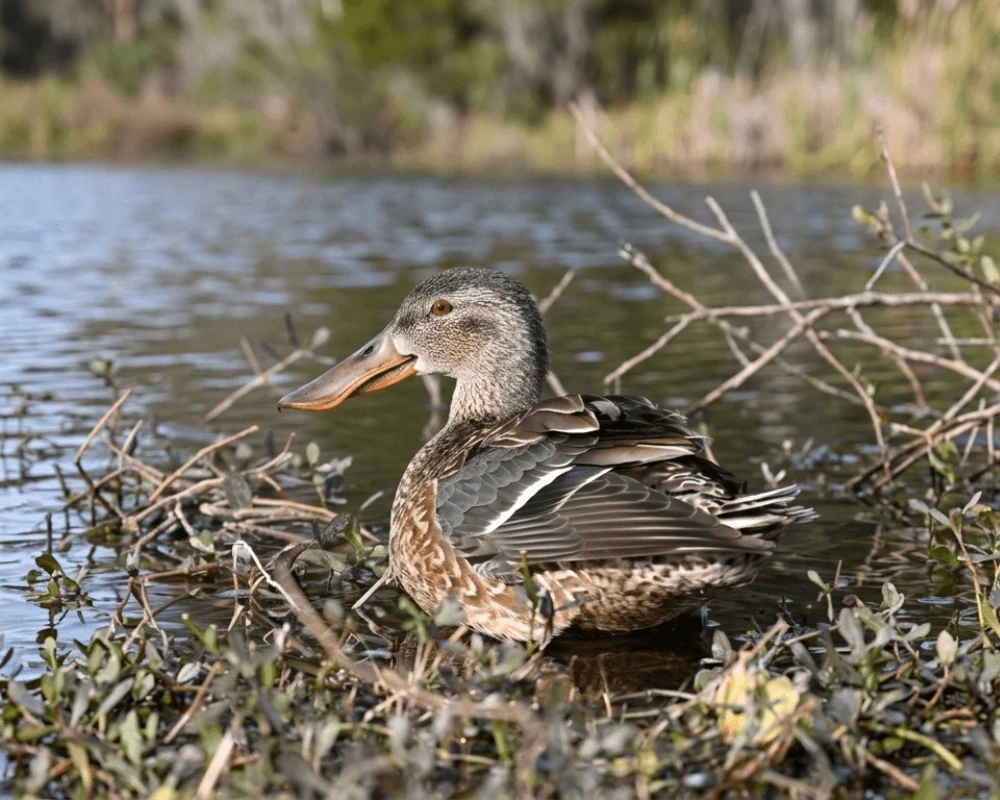
Smaller animals such as civets, mongooses, jungle cats, and otters also inhabit these forests and rivers. Nepal is also a birdwatcher’s paradise, with more than 900 bird species recorded nationwide.
National Park Rules and Responsible Tourism.
To protect wildlife and the natural environment in parks like Chitwan National Park and Bardia National Park, visitors need to follow a few important rules. Everyone must have a national park entry permit before entering the park. All safari activities should be done with licensed guides who know the park and its wildlife. Vehicles must stay on the designated trails to avoid damaging the forest and disturbing animals. Visitors should never feed or disturb wildlife because it can be harmful to the animals and unsafe for people. When taking photos, flash and loud noises should be avoided, as they may scare the animals. Jungle walks are only allowed with trained guides for safety. It is also recommended to wear neutral or natural-colored clothing so that animals are not disturbed by bright colors. These simple guidelines help protect wildlife and ensure a safe and responsible safari experience for everyone.
Best Time for a Chitwan and Bardia Safari
The Terai climate changes significantly throughout the year, and each season offers a slightly different experience.
Autumn and Winter (October–April)
The best time for wildlife viewing. Vegetation is thinner, and animals are easier to spot.
Spring (March–May)
Warmer temperatures bring increased animal movement near rivers and waterholes.
Monsoon (June–September)
The forests become lush and green, but heavy rainfall can limit safari activities.
-(1).webp)