Kailash Mansarovar Yatra | Overland Pilgrimage for Indian Devotees

    Overview

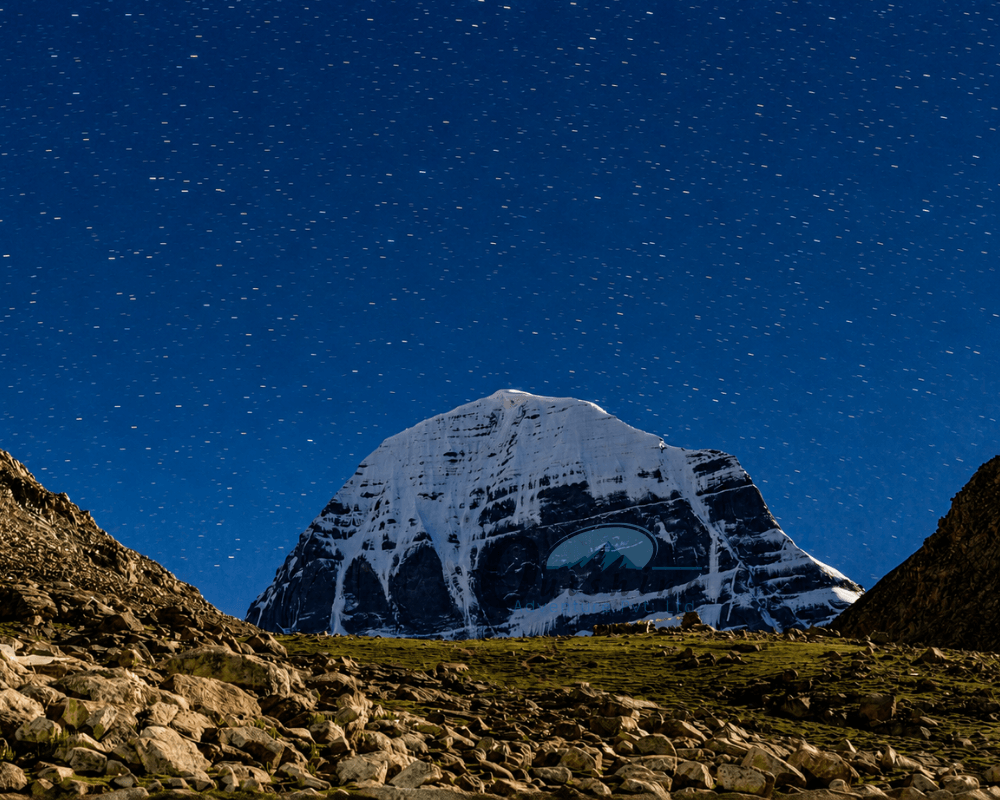
    Sacred Mount Kailash north face viewed during Kailash Mansarovar Yatra in Tibet
    Sacred Mount Kailash north face viewed during Kailash Mansarovar Yatra in Tibet
    The Kailash Mansarovar Yatra is more than just a journey through the Himalayas; it's a profound spiritual experience that has inspired devotees for centuries. Revered by Hindus, Buddhists, Jains, and followers of the Bon tradition, this sacred pilgrimage holds a special place in the hearts of Indian travelers seeking faith, inner peace, and spiritual awakening.

    For Hindus, the significance of the yatra is deeply connected to Lord Shiva, the supreme deity associated with transformation, destruction of negativity, and divine consciousness. It is believed that Mount Kailash, rising majestically in the remote Tibetan plateau, is the eternal abode of Lord Shiva and Goddess Parvati. Far beyond its physical grandeur, the mountain is regarded as the spiritual axis of the universe, a place where the earthly and divine realms meet.

    One of the most meaningful parts of the pilgrimage is the Parikrama, also known as the Kora, a sacred circumambulation of Mount Kailash. Devotees believe that completing this demanding trek helps cleanse the accumulated karma of past lifetimes and brings them closer to attaining Moksha, or spiritual liberation. For this reason, countless Indian pilgrims dream of undertaking the Kailash Mansarovar Yatra at least once in their lifetime.

    Equally revered is Lake Mansarovar, located near Mount Kailash. According to Hindu tradition, the lake was created by Lord Brahma and symbolizes purity, wisdom, and divine energy. Pilgrims gather along its serene shores to offer prayers, perform sacred rituals, and, when possible, take a holy dip in its crystal-clear waters, an act considered highly auspicious and spiritually uplifting.

    Together, Mount Kailash and Lake Mansarovar form one of the world's most powerful pilgrimage destinations. Beyond its religious importance, the journey offers breathtaking Himalayan landscapes, moments of deep reflection, and a rare opportunity to reconnect with one's faith. For Indian devotees planning the Kailash Mansarovar Yatra 2026, this overland pilgrimage promises not only adventure but also a life-changing spiritual experience.

    Short Itinerary - Kailash Mansarovar Yatra 2026

    Day 01: Arrive in Kathmandu and transfer to your hotel. Attend the yatra briefing and meet fellow pilgrims.

    Day 02: Explore Kathmandu's sacred sites and complete the final preparations for your Kailash Mansarovar journey.

    Day 03: Drive from Kathmandu to Timure, the Nepal–Tibet border region, and rest for the night.

    Day 04: Complete border formalities and cross into Tibet. Continue the scenic drive to Kerung.

    Day 05: Spend a day in Kerung for acclimatization, allowing your body to adjust to the increasing altitude.

    Day 06: Drive across the vast Tibetan plateau to Saga, enjoying spectacular Himalayan landscapes along the way.

    Day 07: Journey to the holy Lake Mansarovar, one of the most revered pilgrimage sites in the region.

    Day 08: Participate in the sacred Mansarovar Puja and rituals before driving to Darchen, the base camp for the Kailash Kora.

    Day 09: Begin the Mount Kailash Kora and trek to Dirapuk, offering unforgettable views of the north face of Mount Kailash.

    Day 10: Cross the challenging Dolma La Pass and continue the trek to Zutulpuk, marking the most demanding yet spiritually rewarding day of the pilgrimage.

    Day 11: Complete the Kailash Parikrama (Kora) and drive back to Saga.

    Day 12: Travel from Saga to Kerung through the dramatic landscapes of Tibet.

    Day 13: Drive back to Kathmandu after completing border formalities.

    Day 14: Depart from Kathmandu with cherished memories and blessings from the sacred Kailash Mansarovar Yatra.

    Why Kailash Is the Greatest Spiritual Attraction for Indian Devotees
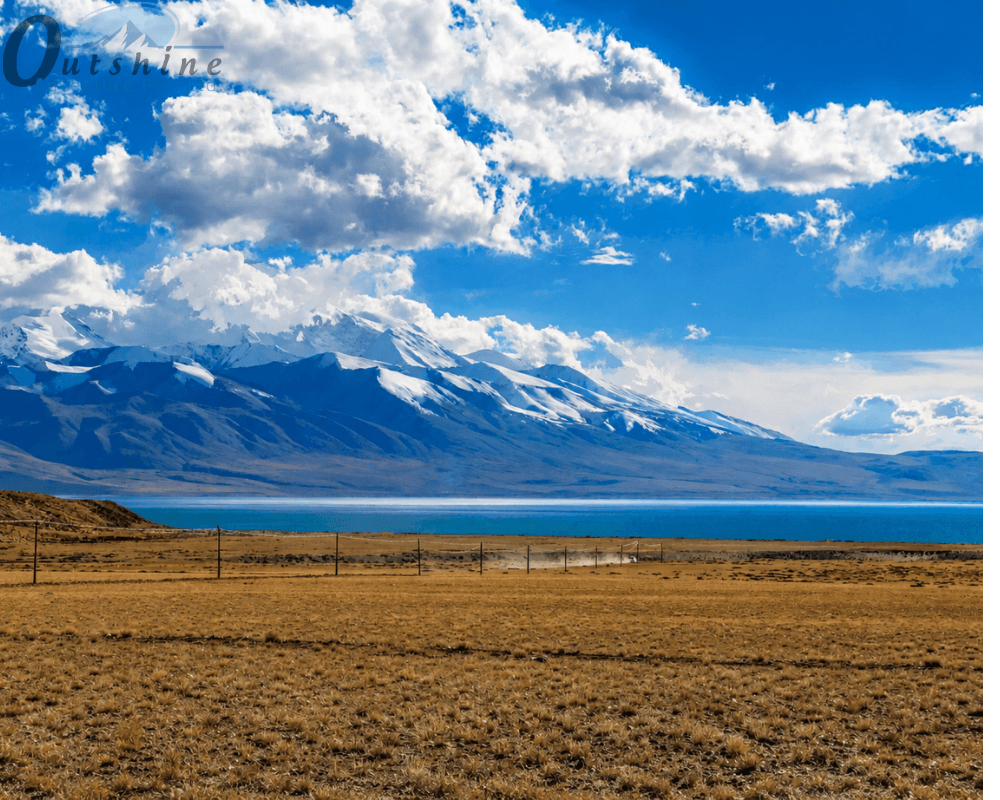
    Pilgrims offering prayers on the shores of Lake Mansarovar
    Pilgrims offering prayers on the shores of Lake Mansarovar

    For millions of Indians, Mount Kailash is far more than a remote Himalayan peak; it's a sacred destination that represents faith, devotion, and a lifelong spiritual aspiration. Undertaking the Kailash Mansarovar Yatra is often seen not as an ordinary trip, but as a divine calling that transforms the lives of those fortunate enough to experience it.

    The spiritual significance of Kailash is deeply rooted in ancient Hindu scriptures, including the Ramayana, Mahabharata, and several Puranas. For centuries, Indian saints, sages, and seekers have journeyed to this holy region in pursuit of wisdom, self-realization, and enlightenment.

    According to Hindu belief, Lord Shiva resides on Mount Kailash with Goddess Parvati, making it one of the most revered pilgrimage sites for devotees across India. The connection is so profound that many pilgrims consider even a distant glimpse of the sacred mountain to be a blessing beyond measure.

    For countless devotees, visiting Kailash is the fulfillment of a lifelong dream, a journey of faith that offers spiritual renewal, inner peace, and a deeper connection with the divine. It is this powerful emotional and religious bond that continues to make Kailash Mansarovar one of the most cherished pilgrimage destinations for Indians.

    Historical and Religious Importance of Mount Kailash

    The spiritual significance of Mount Kailash extends far beyond Hinduism, making it one of the world's most extraordinary sacred destinations. For centuries, this revered mountain has been a place of devotion, pilgrimage, and spiritual inspiration for followers of multiple faiths.

    In Buddhism, Mount Kailash is believed to be the abode of Demchok (Chakrasamvara), a deity who symbolizes supreme bliss and enlightenment. Buddhist pilgrims undertake the sacred circumambulation of the mountain as an act of devotion and a path toward accumulating spiritual merit.

    For followers of Jainism, Kailash holds equal importance. It is believed that Rishabhdev (Adinath), the first Tirthankara, attained liberation or moksha in this sacred region, making it a deeply revered pilgrimage site for the Jain community.

    In Tibet's ancient Bon tradition, which predates Buddhism, Mount Kailash is regarded as the center of spiritual power and the dwelling place of revered deities. Bon practitioners have honored the mountain for generations and continue to perform pilgrimages as part of their religious practice.

    This remarkable connection to Hinduism, Buddhism, Jainism, and the Bon faith makes Mount Kailash a truly unique spiritual landmark. Few places in the world are revered by so many different traditions, each viewing the same sacred mountain as a source of divine energy, wisdom, and liberation. It is this shared reverence that elevates Kailash beyond a pilgrimage destination, making it a universal symbol of faith and spiritual harmony.

    Why the Kailash Mansarovar Route Passes Through Nepal
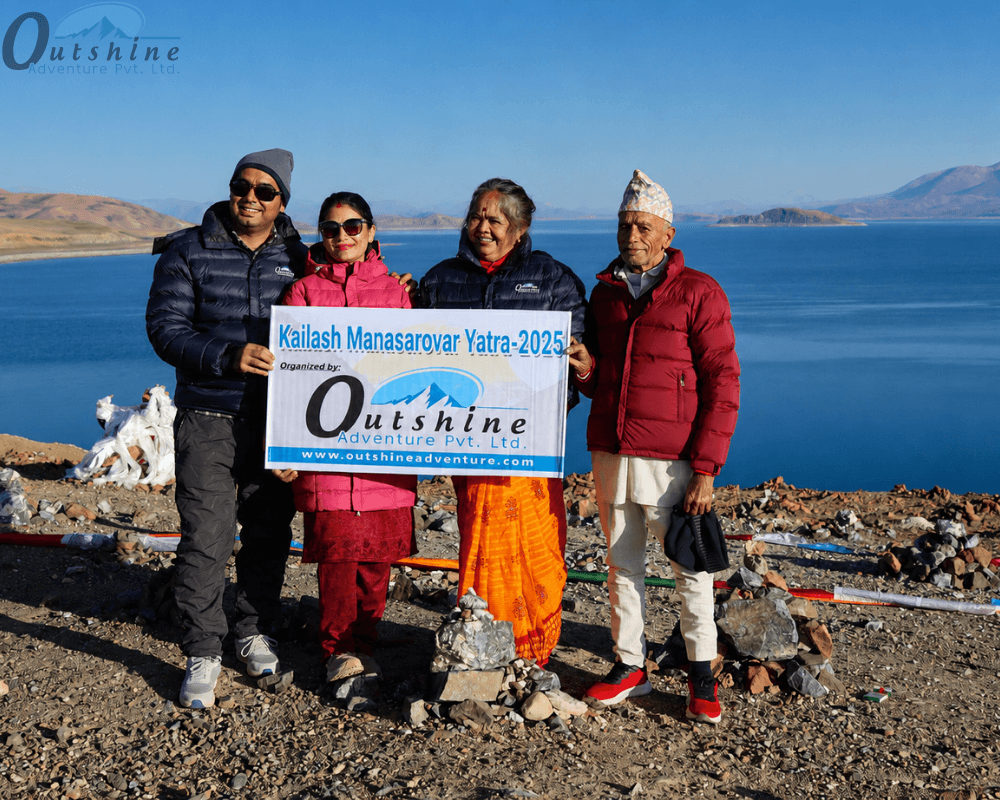
    Devotees on the Kailash Mansarovar Yatra pilgrimage
    Devotees on the Kailash Mansarovar Yatra pilgrimage

    For Indian pilgrims, the overland route through Nepal has become the most popular and practical way to undertake the Kailash Mansarovar Yatra. Serving as the primary gateway to this sacred pilgrimage, Kathmandu offers convenient access due to its close proximity to the Tibet border and excellent connectivity with major cities across India.

    From Kathmandu, pilgrims travel north toward the Rasuwagadhi–Kerung border crossing, where they enter Tibet (China) and continue their journey to the holy sites of Mount Kailash and Lake Mansarovar. Over the years, this route has gained preference among devotees for both its convenience and its ability to help travelers prepare physically and spiritually for the pilgrimage ahead.

    Why Indian Pilgrims Prefer the Nepal Route

    • Gradual altitude gain: The journey allows the body to adjust more comfortably to increasing elevations, reducing the risk of altitude-related discomfort.
    • Breathtaking Himalayan scenery: Travelers are treated to spectacular views of Nepal's mountains, valleys, and traditional settlements along the way.
    • Simplified permit and visa arrangements: Organized yatra operators generally manage the required travel documentation, making the process smoother for pilgrims.
    • Comfortable overland travel: Improved road connectivity offers a more convenient experience compared to some alternative entry routes into Tibet.

    Another meaningful aspect of this route is the opportunity to visit Nepal's revered spiritual sites before beginning the Kailash pilgrimage. Many devotees seek blessings at the famous Pashupatinath Temple in Kathmandu, one of the most sacred temples dedicated to Lord Shiva. Starting the yatra with prayers at Pashupatinath adds a deeper spiritual dimension to the journey, preparing pilgrims mentally and emotionally before they enter the sacred land of Mount Kailash and Lake Mansarovar.

    For many Indian devotees, traveling through Nepal is not merely a transit route; it's an integral part of the pilgrimage experience, enriching the journey with both natural beauty and spiritual significance.

    Why Most Pilgrims Choose the Outer Kora

    • Covers the complete sacred circuit around Mount Kailash
    • Suitable for pilgrims with average fitness levels
    • No technical trekking experience required
    • Basic guesthouses are available along the route
    • Guided support and logistical assistance are provided by tour operators
    • Rescue coordination is available when traveling with organized groups

    For these reasons, the Outer Kora is considered the safest and most practical option for most devotees. It is also the official pilgrimage route arranged in standard Kailash Mansarovar tour packages, including those organized by Outshine Adventure.
    Kailash Mansarovar Yatra | Overland Pilgrimage for Indian Devotees Itinerary

    01Day

       Your sacred pilgrimage begins in Kathmandu, Nepal's vibrant spiritual capital and the traditional gateway to Mount Kailash.

      Upon arrival at Tribhuvan International Airport, our representative will welcome you and assist with your transfer to the hotel. After check-in, take time to relax and recover from your journey.

      As evening falls, immerse yourself in Kathmandu's spiritual atmosphere, where ancient temples, fluttering prayer flags, and devotional chants create an unforgettable first impression. A vegetarian dinner will be served at the hotel.

      Highlights:

      • Airport pick-up and hotel transfer
      • Leisure and rest
      • Orientation and mental preparation
      • Vegetarian welcome dinner
      02Day

        Today is dedicated to seeking divine blessings and making final preparations for the pilgrimage ahead.

        Begin the day with a visit to the revered Pashupatinath Temple, one of the holiest Shiva temples for Hindu devotees. Special puja and darshan here are considered highly auspicious before undertaking the Kailash Yatra.

        The sightseeing tour continues with visits to:

        • Boudhanath Stupa ,One of the largest and most sacred Buddhist stupas in Asia
        • Budhanilkantha Temple ,Famous for the reclining Vishnu idol resting in a sacred pond
        • Guhyeshwari Temple ,A revered Shakti Peeth associated with Goddess Sati

        In the evening, attend a comprehensive yatra briefing covering:

        • Detailed route information
        • Altitude awareness and safety guidelines
        • Packing and equipment checks
        • Group discipline and travel protocols

        Travel kits, including items such as duffel bags and jackets, will also be distributed.

        03Day

          After an early breakfast, begin the overland journey toward the Nepal–Tibet border.

          Travel along the scenic Pasang Lhamu Highway, following the Trishuli River through lush hills, cascading waterfalls, and charming mountain settlements.

          En route, pass through:

          • Dhunche – The gateway to the Langtang region
          • Syabrubesi – A popular Himalayan trekking town

          As the landscape becomes increasingly rugged and remote, arrive at Timure, a small settlement near the border.

          This marks your final overnight stay in Nepal before entering Tibet.

          04Day

            Today marks an important milestone in your pilgrimage.

            Proceed to the Rasuwagadhi border to complete Nepal's exit formalities. After immigration procedures, cross into Tibet (China), where you will meet your Tibetan guide and support team.

            The scenery changes dramatically as green valleys give way to the stark beauty of the Tibetan plateau, framed by snow-capped Himalayan peaks.

            Continue to Kerung (Kyirong), a picturesque Tibetan town nestled among the mountains.

            As this is your first major altitude gain, adequate rest is essential.

            05Day

              At an elevation of approximately 2,800–3,000 meters, Kerung provides an ideal environment for acclimatization.

              Use the day to relax, explore, and allow your body to adapt gradually to the higher altitude.

              You may visit:

              • Local monasteries
              • Traditional Tibetan villages
              • Small markets and prayer sites

              Proper acclimatization plays a crucial role in preparing for the higher elevations ahead.

              06Day

                Today's journey takes you deeper into the heart of Tibet.

                As the road stretches across the vast Tibetan plateau, enjoy breathtaking panoramas of endless skies, distant mountain ranges, rivers, and grasslands.

                You may also encounter nomadic communities and yak herders who have lived in this rugged landscape for generations.

                Arrive in Saga (4,450 meters), an important stop for rest and further acclimatization.

                07Day

                  This is often regarded as one of the most emotional moments of the entire yatra.

                  Travel toward the sacred region of Lake Mansarovar and Mount Kailash, passing dramatic desert landscapes, snow-covered peaks, and pristine lakes.

                  At last, experience your first glimpse of:

                  • The holy Lake Mansarovar

                  • The distant Mount Kailash region

                  For many Indian devotees, this sacred darshan becomes a cherished memory for life.

                  Overnight stay near Lake Mansarovar in a simple guesthouse.

                  08Day

                    Begin the morning with prayers and rituals at the shores of Lake Mansarovar.

                    According to Hindu belief, the lake was created by Lord Brahma and symbolizes purity and divine energy.

                    Pilgrims may participate in:

                    • Sacred puja and prayers

                    • Meditation by the lakeside

                    • Short parikrama around the lake region

                    Later, drive to Darchen, the base camp for the Mount Kailash Kora and the starting point of the sacred circumambulation.

                    09Day

                      Today marks the beginning of the revered Mount Kailash Parikrama (Kora).

                      Drive to Tarboche (Yamadwar) before starting the trek.

                      The trail gradually follows river valleys and rugged mountain terrain until you reach Dirapuk Monastery.

                      From here, pilgrims witness the awe-inspiring North Face of Mount Kailash, considered one of the most spiritually powerful sights of the pilgrimage.

                      10Day

                        This is both the most demanding and spiritually significant day of the Kailash Yatra.

                        The route includes:

                        • Shiva Tsal – A symbolic site of purification and letting go
                        • Dolma La Pass (5,630 meters) – The highest point of the pilgrimage
                        • Gauri Kund – A sacred lake associated with Goddess Parvati

                        After a challenging ascent and descent, continue to Zutulpuk Monastery.

                        Many pilgrims believe this day represents the cleansing of past karma and a symbolic spiritual rebirth.

                        11Day

                          Finish the final stretch of the Kailash Parikrama and return to Darchen.
                          After completing this once-in-a-lifetime spiritual achievement, drive back to Saga for rest and recovery.

                          12Day

                            Begin the return journey through the spectacular Tibetan Plateau.

                            As you travel toward Kerung, enjoy one last opportunity to admire Tibet's dramatic landscapes, serene lakes, and towering mountain vistas.

                             
                            13Day

                              Cross back into Nepal via the Rasuwagadhi border and drive to Kathmandu.

                              The evening is free for relaxation, reflection, or shopping in the lively streets of Thamel, where you can pick up souvenirs and celebrate the completion of your pilgrimage.

                              14Day

                                After breakfast, transfer to the airport for your onward journey.

                                As you bid farewell to Nepal, you carry home more than memories—you return with the blessings of Mount Kailash, the serenity of Lake Mansarovar, and a renewed sense of faith and inner peace.

                                May the spiritual energy of this sacred pilgrimage continue to guide and inspire you long after the journey ends.

                                Om Namah Shivaya.

                                Embarking on the Kailash Mansarovar Yatra 2026|2027 is more than a pilgrimage; it's a journey of faith, endurance, and spiritual awakening. From the sacred temples of Kathmandu to the divine presence of Mount Kailash and Lake Mansarovar, every day of this overland adventure brings pilgrims closer to a profound inner transformation

                                Cost Details

                                Price Includes

                                • A Tibet travel permit and group visa are required for entry into Tibet.
                                • Three nights' accommodation in Kathmandu with meals included.
                                • Accommodation in Tibet, including hotels and simple guesthouses during the pilgrimage.
                                • All ground transportation throughout Nepal and Tibet as per the itinerary.
                                • Pure vegetarian meals served during the entire journey.
                                • Services of an English-speaking guide and experienced Tibetan support crew.
                                • Oxygen cylinder support for added assistance in high-altitude regions.
                                • Access to a basic first aid kit during the trip.
                                • Duffel bag and yatra jacket support provided by the organizing team.
                                • Kathmandu sightseeing tours, including visits to important spiritual landmarks.
                                • Airport transfers in Kathmandu for arrival and departure.

                                Price Excludes

                                • International airfare to and from Kathmandu.
                                • Travel insurance, including coverage for high-altitude travel and medical emergencies.
                                • Personal trekking equipment and gear not specified in the inclusions.
                                • Horse and porter services, which are available at an additional cost for those requiring assistance during the Kailash Parikrama.
                                • Emergency evacuation

                                Useful Information

                                Kailash Mansarovar Permit and Visa Process (Kathmandu–Kerung Route)

                                If you're traveling via the popular Kathmandu–Kerung overland route, all travel arrangements are managed under a group system approved by Chinese authorities.

                                Chinese Group Visa

                                The first step is obtaining a Chinese group visa through the Chinese Embassy in Kathmandu.

                                • This visa is mandatory for Kailash travel.
                                • Individual Chinese visas are not accepted for this pilgrimage.
                                • All group members travel under the same visa arrangement.

                                Tibet Travel Permit

                                An authorized travel agency arranges the Tibet Travel Permit, which is essential for entering the Tibet Autonomous Region.

                                This permit is required for all foreign pilgrims traveling to Kailash.

                                Restricted Area Permits

                                Additional permits are necessary for visiting Mount Kailash, Lake Mansarovar, and other restricted areas within western Tibet.

                                These documents are typically processed entirely by the tour operator as part of the package.

                                Entering Tibet Through Kerung

                                Once all permits and visa procedures are complete:

                                • The group travels from Kathmandu to the Rasuwagadhi border.
                                • After immigration formalities, pilgrims cross into Tibet through Kerung (Kyirong).
                                • From there, the journey continues by road with a licensed Tibetan guide following a pre-approved itinerary.

                                It's important to note that independent travel to Mount Kailash is not permitted within Tibet. All foreign visitors must travel as part of an organized group.

                                Essential Packing List for Kailash Mansarovar Yatra 2026 |2027

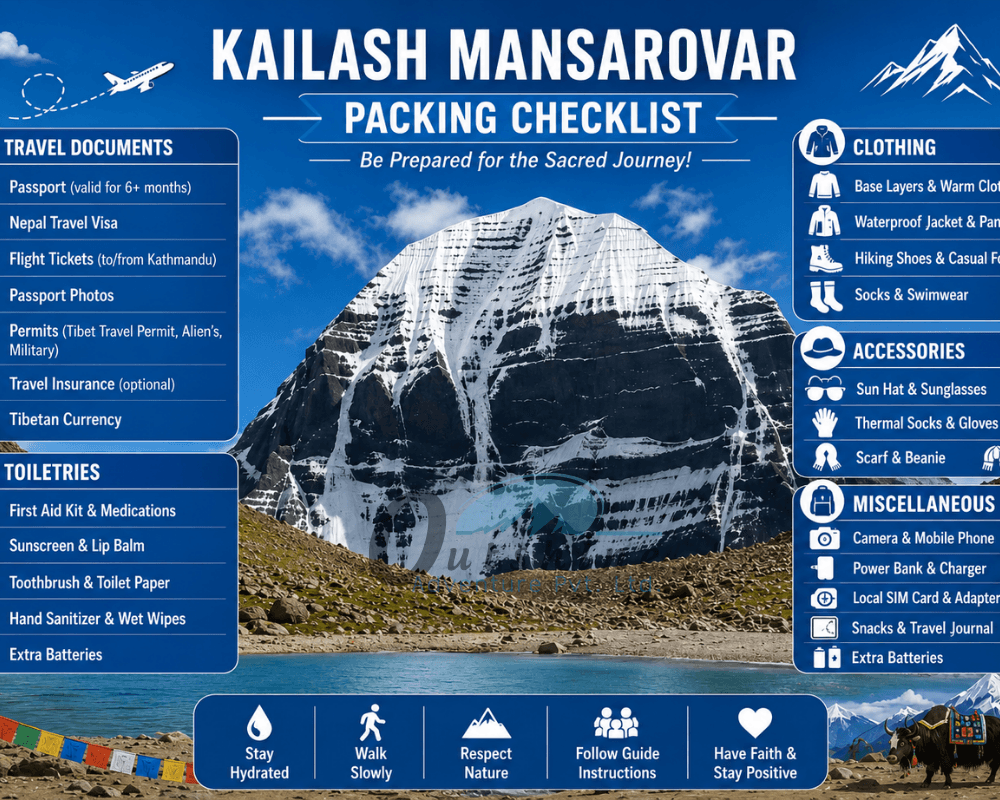
                                Essential Packing List for Kailash Mansarovar Yatra
                                Essential Packing List for Kailash Mansarovar Yatra

                                Preparing well for the Kailash Mansarovar Yatra is essential, as the journey involves high-altitude travel, unpredictable weather, and physically demanding conditions. Packing the right clothing and personal essentials will help ensure a safer, more comfortable, and spiritually fulfilling pilgrimage experience.

                                Essential Clothing

                                Layering is the key to staying warm and comfortable during the yatra. Temperatures can change rapidly, especially at higher elevations.
                                • Comfortable undergarments
                                • Thermal innerwear (upper and lower, preferably moisture-wicking)
                                • Fleece jacket for insulation
                                • Warm insulated sweaters
                                • Waterproof and windproof outer shell jacket
                                • Insulated trekking pants
                                • Regular hiking or travel pants
                                • Poncho or lightweight raincoat
                                • Woolen cap or beanie
                                • Neck gaiter, muffler, or scarf
                                • Gloves (a lightweight inner pair and insulated outer gloves)

                                Footwear

                                Choosing the right footwear is crucial, particularly during the Kailash Parikrama (Kora).
                                • High-ankle waterproof trekking boots with good grip
                                • Comfortable lightweight shoes or sandals for relaxation after trekking
                                • Liner socks to reduce friction and prevent blisters
                                • Warm thermal socks (carry multiple pairs)

                                First Aid & Medicines

                                A personal medical kit can be invaluable during this remote, high-altitude pilgrimage.
                                • Personal prescription medications
                                • Pain relief and anti-inflammatory tablets
                                • Cold, cough, and flu medicines
                                • ORS (Oral Rehydration Salts) and energy supplements
                                • Portable oxygen cylinders for additional high-altitude support (recommended)

                                Toiletries & Personal Care

                                The dry climate and limited facilities along the route make personal care essentials particularly important.
                                • High-SPF sunscreen
                                • Lip balm to prevent chapped lips
                                • Moisturizer for dry skin
                                • Toothbrush and toothpaste
                                • Wet wipes and facial tissues
                                • Quick-dry travel towel
                                • Paper soap or travel soap sheets
                                • Hand sanitizer
                                • Sanitary pads or feminine hygiene products (if required)
                                • Travel-size shampoo and body wash

                                Packing Tips for a Comfortable Yatra

                                Pack light, but pack smart. Use waterproof packing cubes or zip-lock bags to organize your belongings and protect them from rain or dust. Since luggage space may be limited, prioritize essential items and avoid carrying unnecessary extras.

                                Being well-prepared allows you to focus on what truly matters during the Kailash Mansarovar Yatra 2026: the spiritual experience, the breathtaking Himalayan landscapes, and the once-in-a-lifetime opportunity to embark on one of the world's most revered pilgrimages.

                                 
                                Still, looking for your next holiday?

                                Let us help you plan your dream vacation, with personalized itineraries and expert advice.

                                Plan Your Trip