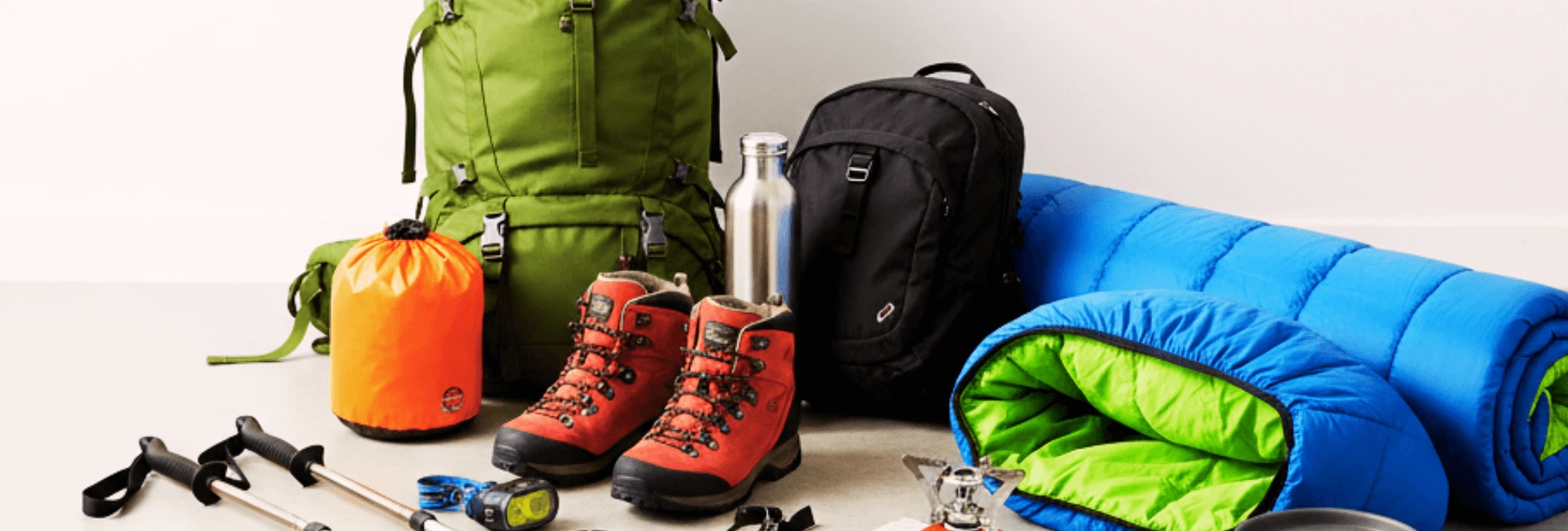
Every trekking season in Nepal, we meet travelers who arrive confident, motivated, and physically fit but are completely disconnected from the real needs of trekking in the Himalayas. The mountains do not reward excitement alone. They respond to preparation, patience, and realistic decisions. Choosing the right essential trekking equipment will keep your body warm and your energy stable. Most importantly, it helps to keep your focus solely on where it should be.
After guiding trekkers across Everest, Annapurna, Langtang, and quieter Himalayan regions for years, one truth remains consistent. Gear choices quietly decide whether a trek feels manageable or exhausting.
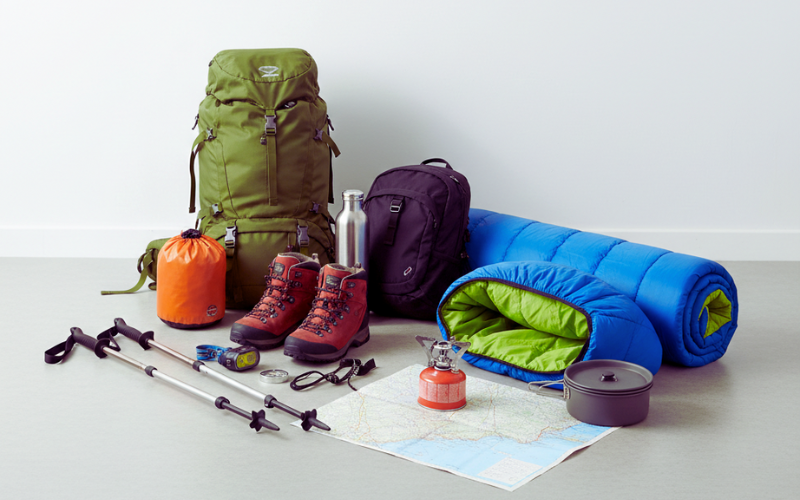
This guide focuses on essential trekking equipment for Himalayan trails, not catalog filler. Every item listed here comes from daily field experience as a licensed trekking company in Nepal working with international travelers year after year.
Understanding Himalayan Trekking Conditions.
Altitude Challenges
All things become gradual above 3000 meters. The breathing becomes conscious. Sleep patterns change. Even minor pains seem bigger up the mountain, and that is why the Himalayas trekking gear should be focused on keeping warm, keeping hydrated, and resting, and not only on weight reduction.
Weather Variations
The Himalayas can hardly be called a place with stable weather. A sunny morning may turn windy in the afternoon and icy in the evening. Layering is not a suggestion here; it is the basis of existence and ease at elevated tracks.
Terrain Types
Trails shift constantly. The equipment is put to the test in different ways by stone staircases in villages, forest trails at the base, moraines of rock at the top, and bare ridgelines at locations of passes. The Himalayan trekking equipment should be able to withstand impact, friction, and protracted hours.
Core Trekking Equipment Himalayan Treks
Base Layers
- Thermal tops and bottoms (merino or synthetic)
- Lightweight for daytime, mid-weight for mornings and nights
Insulation Layers
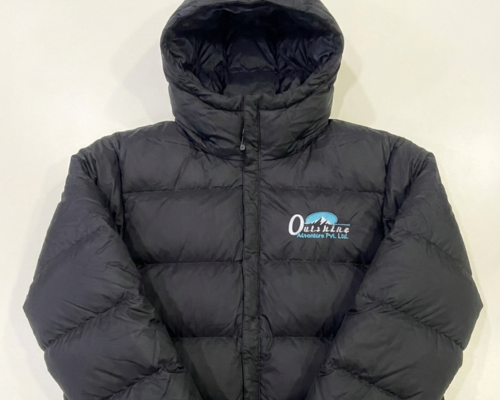
- Fleece or light down jacket
- Heavy down jacket when going above 4,000 meters.
Outer Shell
- Hooded waterproof, windproof jacket.
- Waterproof trekking pants
Trekking Pants and Shirts
- Quick-dry trekking pants
- Sun and cold balance shirts (long sleeve).
Local note: Most trekkers spend a lot of money in jackets and neglect base layers.
Footwear and Walking Equipment
Trekking Boots
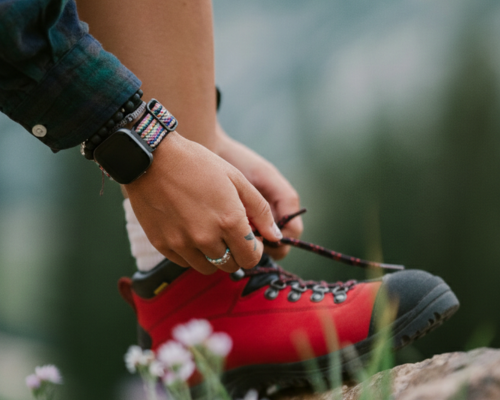
- High-ankle waterproof boots
- Broken-in before arrival
- Vibram-like sole that is used on stone steps.
Socks
Wool-blend trekking socks
- At least three pairs for rotation
Sleeping and Night Comfort
Sleeping Bag
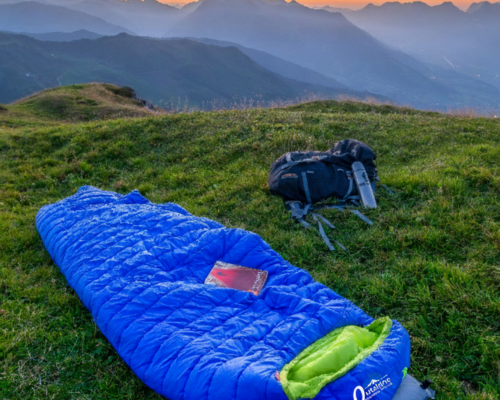
Teahouses are not heated at night; we need sleeping bags.
- Rated to at least -10°C to -20°C
- Down is preferred for weight
- Available for rental in Kathmandu and Pokhara
Sleeping Bag Liner
Improves warmth and hygiene.
- Lightweight
- Easy to wash during long trips
Essential Accessories Often Forgotten
- Warm hat and sun hat
- UV-protection sunglasses
- Lightweight gloves and insulated gloves
- Headlamp with spare batteries
- Reusable water bottles or hydration bladders
- Water purification tablets or a filter
- Sunscreen and lip balm (high SPF)
POV: More failures in the trek due to sunburns and dehydration than due to cold.
Personal Medical and Safety Items
First Aid and Health
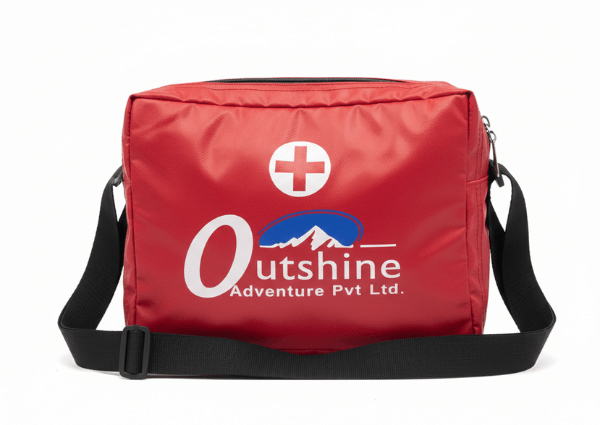
Altitude magnifies small issues.
- Personal medications
- Blister care kit
- Electrolyte packets
- Basic pain relief
Electronics and Documents
- Power bank (charging costs rise with altitude)
- Universal adapter
- Copies of the passport and permits
- Waterproof document pouch
POV: WiFi exists on popular routes but remains unreliable. Power management matters more than connectivity.
Season-Wise Packing Tips
Spring & Autumn
Balanced layering works well. Standard insulation is sufficient for most routes.
Winter Trekking
Extra down layers, warmer gloves, and thicker thermals become essential as temperatures drop sharply.
Monsoon Trekking
Waterproof gear matters most. Quick-dry clothing and leech protection are practical additions.
Common Packing Mistakes to Avoid
- Overpacking clothes.
- Ignoring sock quality.
- Carrying multiple new boots.
- Underestimating cold nights.
- Forgetting battery management.
Himalayan Trekking Gear: Buy or Rent?
This is by far the most practical question that trekkers pose, and to be quite honest, there can be really no correct answer.
People have come into Nepal over the years with brand-new equipment that is unused throughout the trek. We have also witnessed trekkers who rent smart, change their equipment during day one, and hike comfortably till the finish. It does actually depend on several factors: how many miles you are going, what the season is, what your budget is, and whether your trip is a once-in-a-lifetime event or the beginning of a lifetime.
Buying Trekking Gear
The advantage of buying your own equipment is comfort and familiarity. Buy the things that remain close to your body.
Several trekkers waste a lot of money back home on outerwear just to find out later that the same ones could have been easily found in Nepal, and even better.
Best Gear to Buy Before Your Trek
- Trekking boots
- Base layers and thermals
- Socks and personal clothing
- Sunglasses
Renting Trekking Gear
Best Gear to Rent in Nepal
- Down jackets
- Sleeping bags
- Trekking poles
- Duffel bags for porters
Cost Comparison: Buy vs Rent
From a cost point of view, renting makes a lot of sense for warm layers. A down jacket or sleeping bag used for two or three weeks is far cheaper to rent than to buy.
Boots are the exception.
Never rent boots. Poor fit when climbing to an altitude causes blisters, knee pains, and even the need to cut short the trek. One of the rules that experienced trekkers go by:
Buy what touches your feet and skin. Rent what provides warmth.
Where to Rent Gear in Kathmandu & Pokhara
The main rental shops for Himalayan essential equipment are Thamel, Kathmandu, and Lakeside, Pokhara. You’ll find everything there; however, quality and prices differ. Some shops are excellent; others, not so much. Therefore, it is always important to inspect carefully, especially insulation, zippers, and cleanliness, while hiring.
At Outshine Adventure, we help trekkers choose and check the rental gear. This helps to save us from the last-minute surprises and ensures your equipment matches the route and season. When you’re days away from the nearest road, that peace of mind matters more than most people realize.
Why Trek with a Licensed Local Company
Equipment works best when combined with experience. Local guides are aware of seasonal changes in the terrain, weather, and the standards of different lodges. We Outshine Adventure is a licensed company, guided by the controlled loads of porters, safety measures, and sustainable trekking within the key Himalayan areas of Nepal.
Direct coordination with a local company ensures equipment advice matches real trail conditions, not generic lists. For verified itineraries and local trekking standards, visit us at Outshine Adventure.