Upper Mustang Trekking: 14 Days
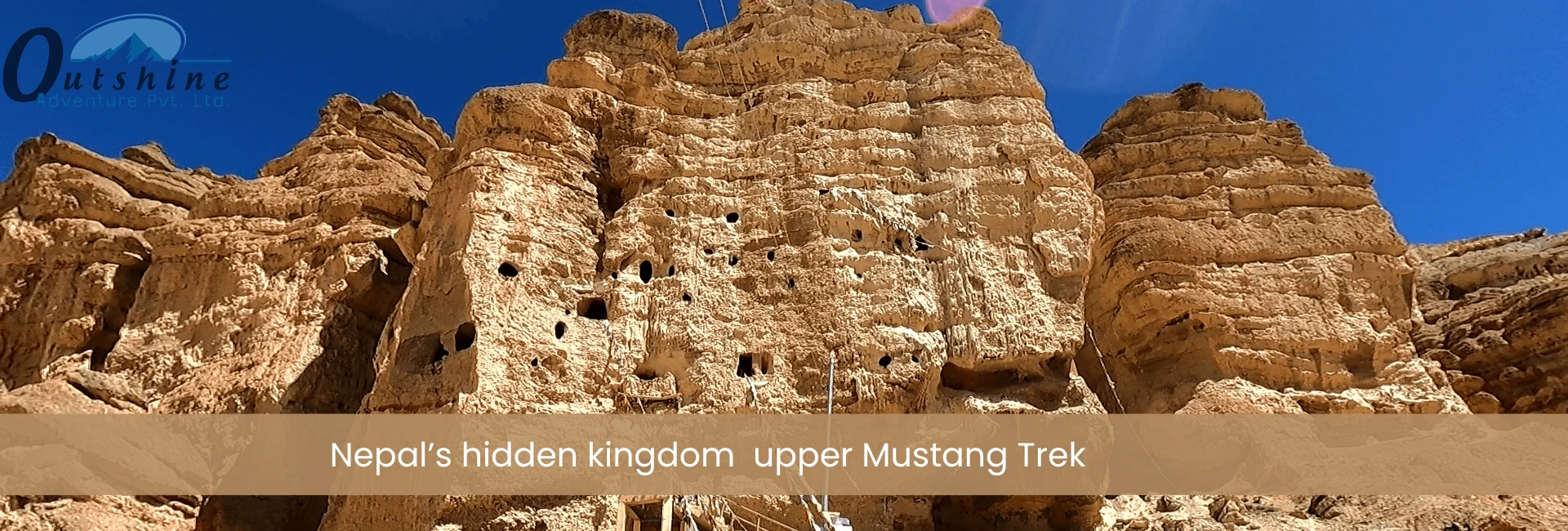
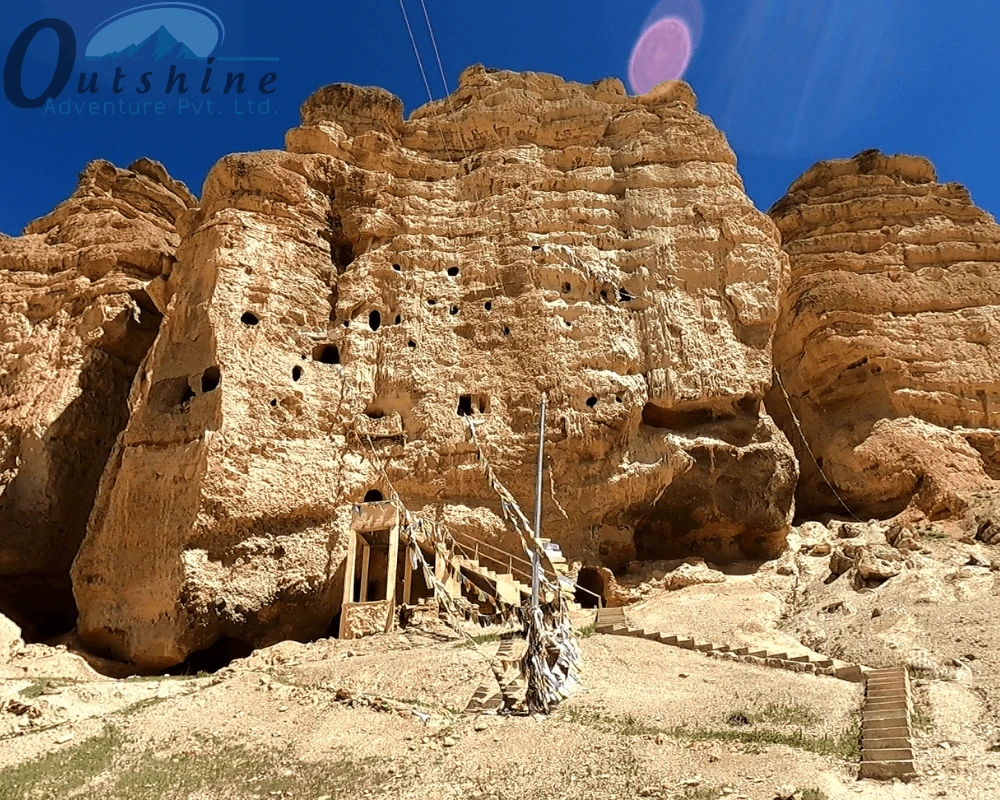
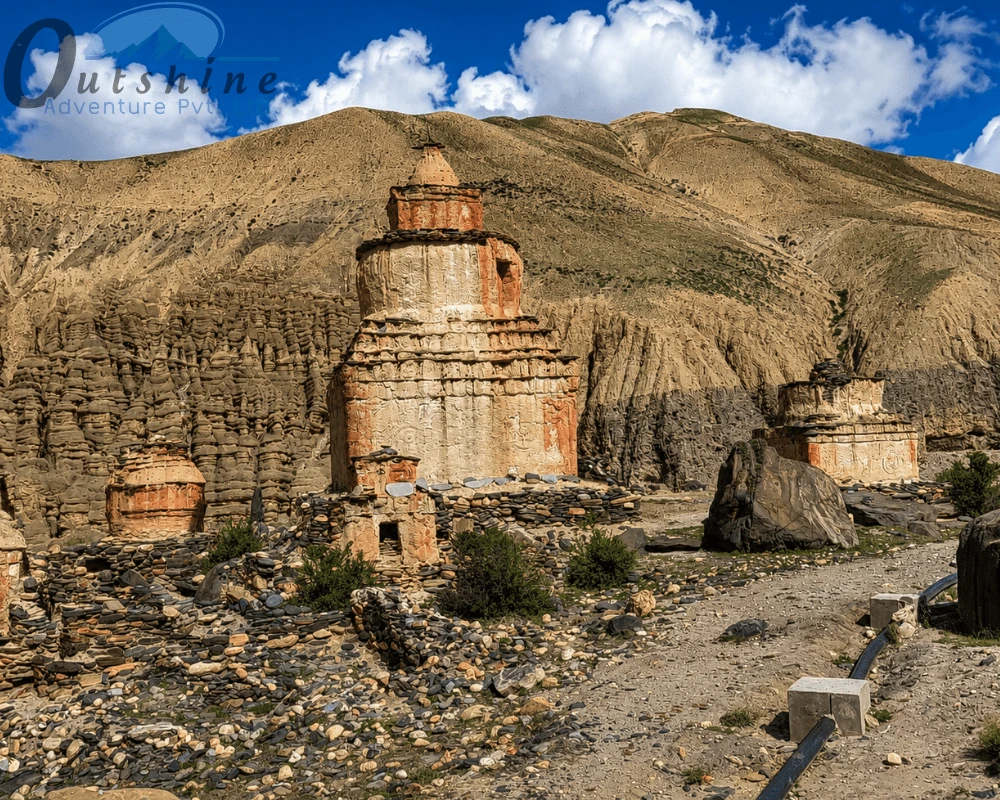
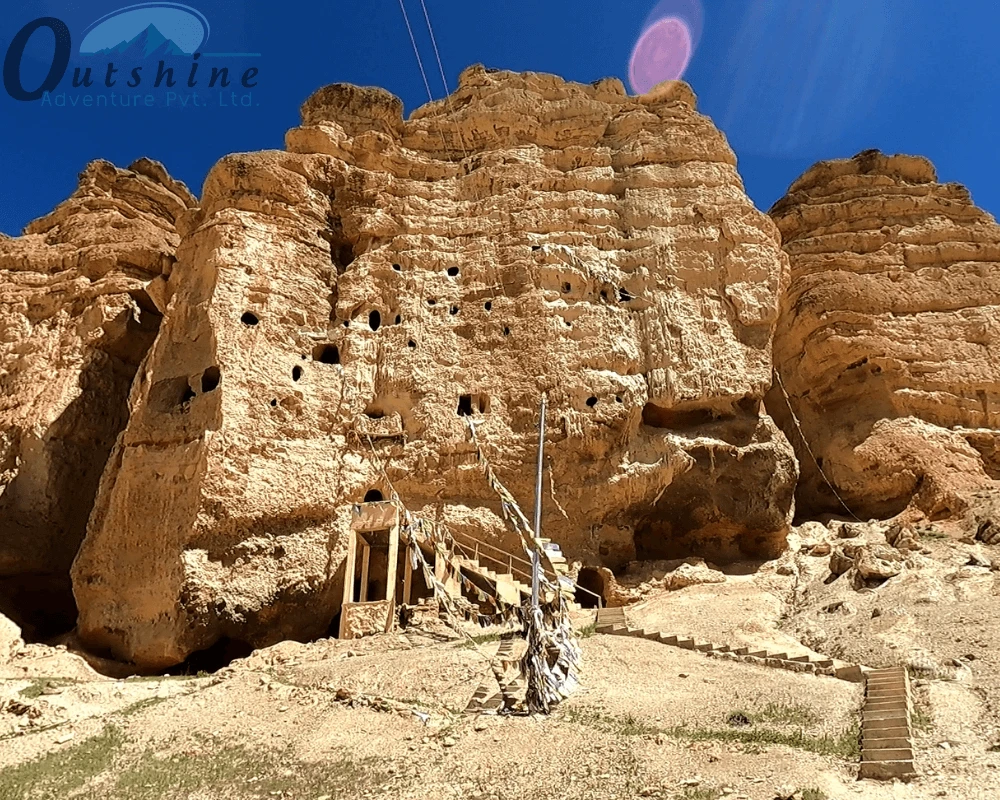
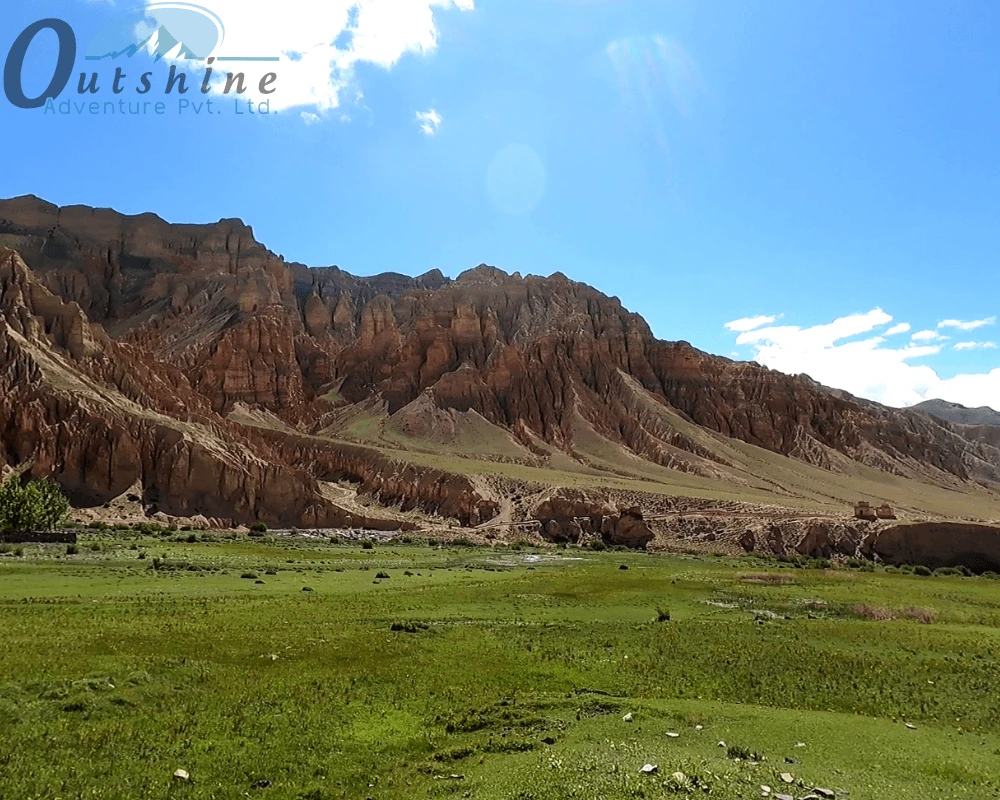
Upper Mustang lies in the rain shadow of the Himalayan range, situated behind the Annapurna and Dhaulagiri mountain ranges, in the northernmost part of Nepal near the border with Tibet. Mustang remains dry while the rest of Nepal gets flooded every summer because those mountains block almost all the rain from the monsoon rains. Therefore, one can trek into this area during the entire period from May to October, even when most other trails are cut off. Its terrain cannot be compared with anything in Nepal: eroded sandstone towers; layers of cliffs colored in different shades of red, ochre, and yellow; dry river gorges created not by water but by winds; and the absence of vegetation.
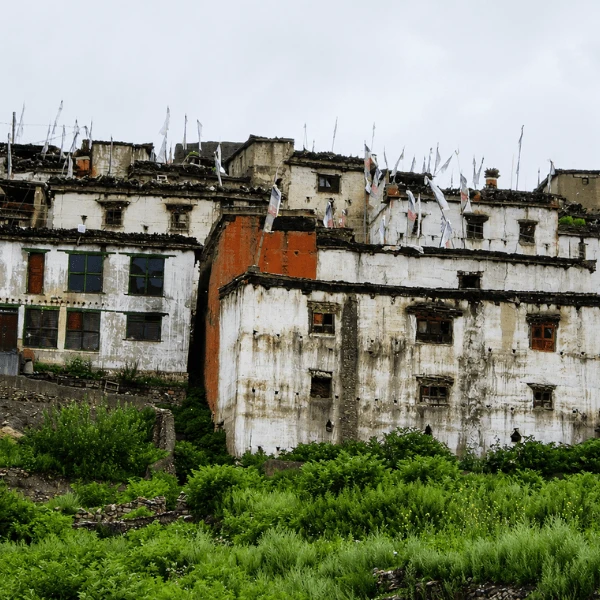
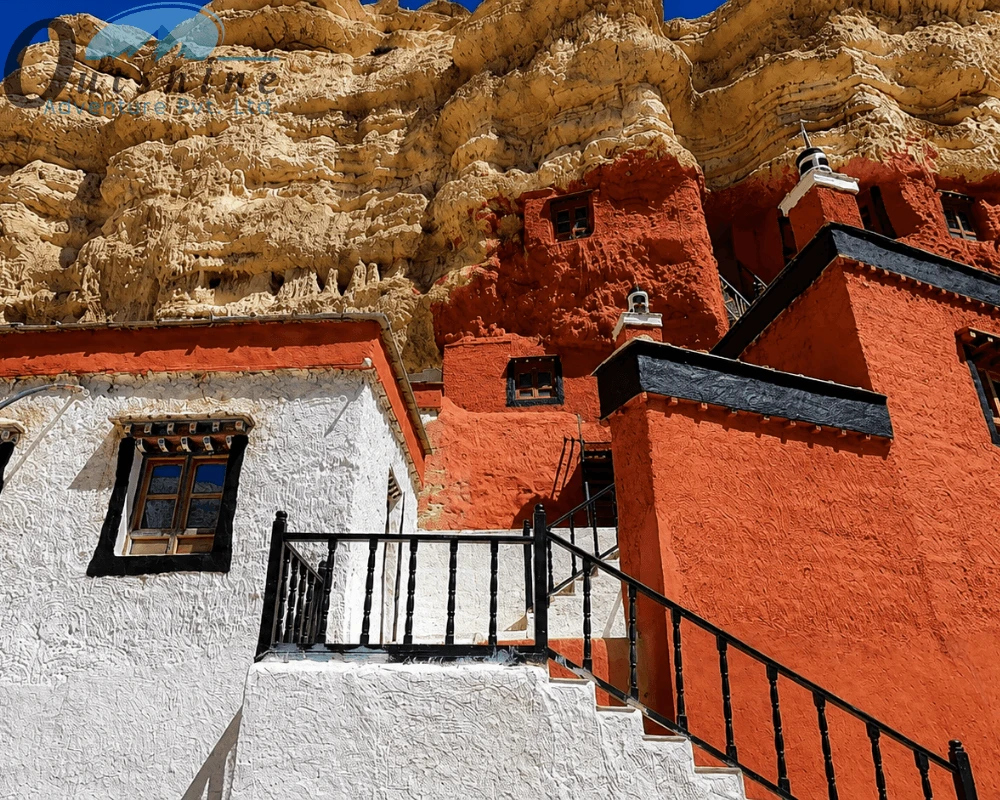
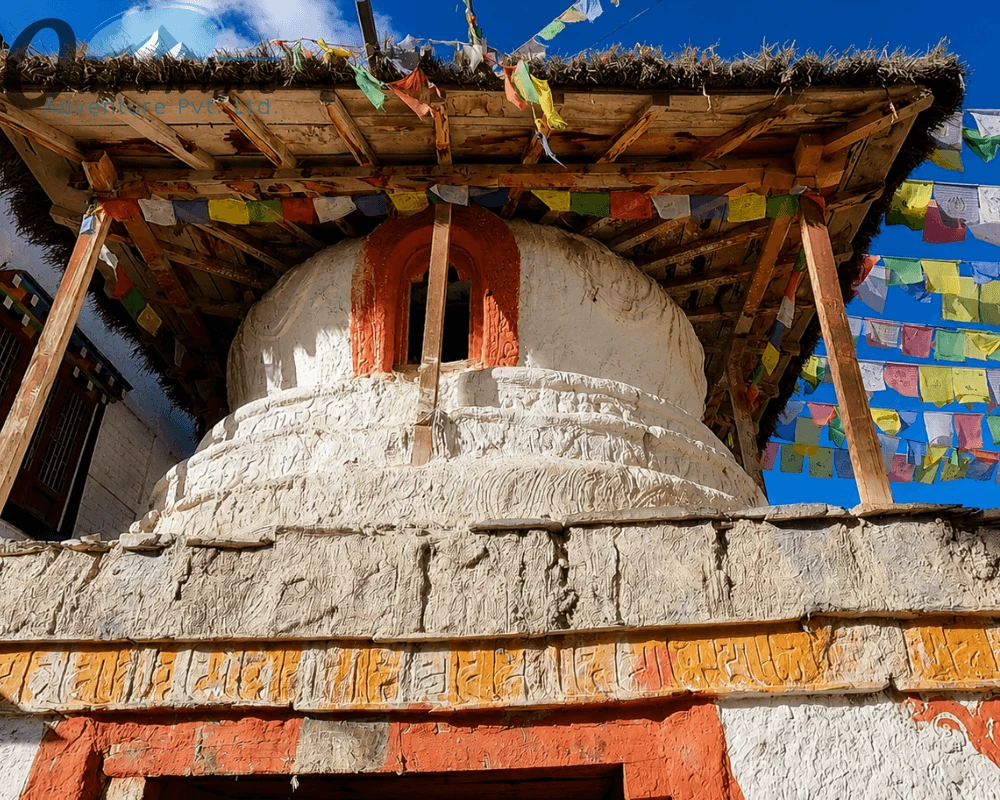
The fact that the upper Mustang belongs to the Kingdom of Lo has been known for many years. The region is an independent principality with its own language, king, culture, and traditions related to Tibetan Buddhism. Until recently, foreign visitors were strictly forbidden from entering Upper Mustang, which is considered to be a restricted zone to this day. A special permit and a guide licensed by the authorities are obligatory for visiting the place. The region's culture has remained unchanged due to these restrictions: there are manuscripts and cliffside caves.
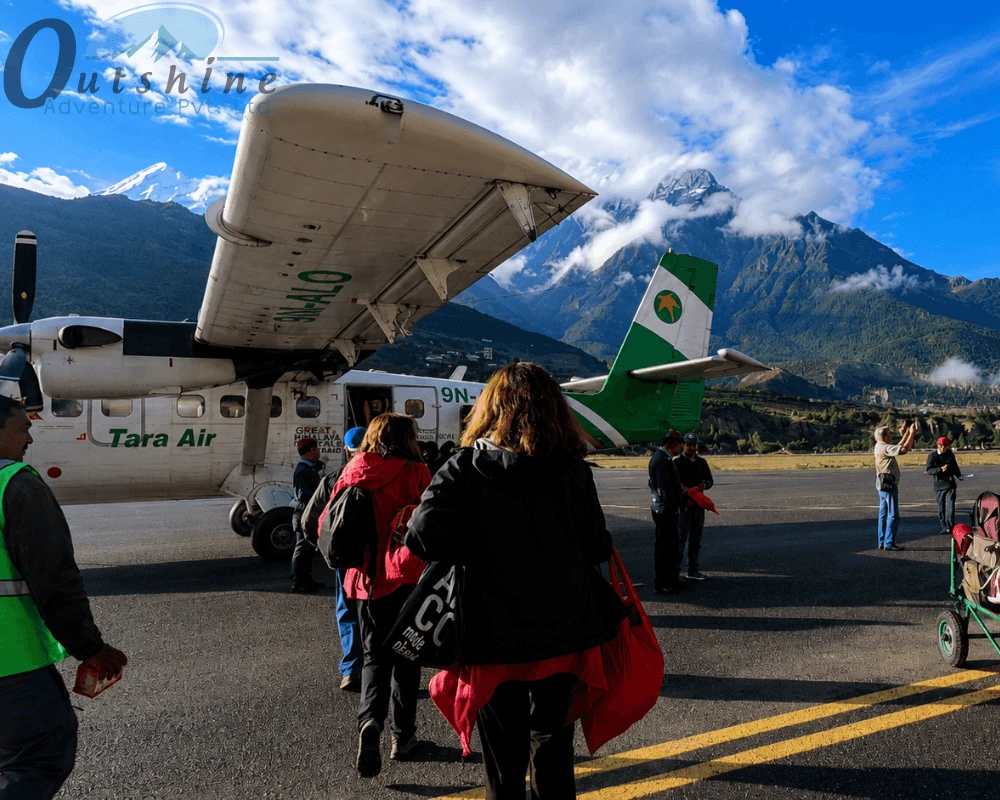
This 14-day trip with Outshine Adventure starts in Kathmandu, gets you to Pokhara, then puts you on a short mountain flight into Jomsom. From there, we walk north through the Kali Gandaki Valley into the heart of old Mustang. You'll pass through villages that barely see any tourists, spend two proper days exploring Lo Manthang, and return on a different route south so you get to see even more of the region.
With proper guidance, comfortable accommodations, and well-planned logistics by Outshine Adventure, this package offers a safe, enriching, and unforgettable Upper Mustang trekking experience.
Difficulty Level of Upper Mustang Trek.
The trek to Upper Mustang is not particularly challenging from a technical perspective. There are no glacial crossings, no technical climbs, and no passes higher than 4,000 meters. The highest elevation on this route is Lo Manthang at 3,840 m, which is significantly below the elevation at which most serious acclimatization problems occur.
The major challenge involved in trekking in this area is that it needs some degree of fitness since it involves trekking for 5 to 7 hours each day, especially when the terrain is highly exposed, dry, and windy. Although the altitude may not be as high as that found in other parts of the Himalayas, it is quite far away from civilization. Medical facilities would be hard to come by should any form of emergency arise. It is a spectacular sight to behold in this area. Nonetheless, it is quite rugged. Consequently, you need to be physically fit to endure three to four days of trekking without sustaining any injuries, as opposed to training to participate in athletics.
The wind in the Kali Gandaki valley is something that most people tend to overlook. Wind speeds in the valley can be quite high during the late afternoons. The path in the valley is wide and flat, such that it does not have any form of cover from the wind. Trekking in the valley early in the morning means that you will have no problems facing the wind. However, starting the trek in the afternoon means that you will be encountering strong winds.
Overall, all levels of fitness can enjoy the Upper Mustang trek; however, it should not be undertaken by individuals who would consider the trek to be an easy walk.
Best Time for Upper Mustang Trek.
This trek has the significant advantage of being able to remain dry through the monsoon, which means it is a genuine option for months when the rest of Nepal is inaccessible.
Spring (March - May): It provides clear and cool weather as well as excellent views of the mountains; it also tends to be less crowded than other times of the year. The lower Kali Gandaki region will have some greenery during springtime prior to the onset of the dry season. Expect cold mornings followed by warm afternoons. Overall conditions during this time of year will be good.
Summer / Monsoon (June - August): This is the time period that makes Mustang truly unique and different from the rest of the nation. The monsoon rains are caught by the Annapurna and Dhaulagiri ranges before they reach Mustang, so they stay dry throughout the monsoon season while all of Nepal else has stopped operating effectively due to the rainy season. Expect blue skies, bright sunny light, and lots of trails mostly vacant of people.
Autumn (September - October): The weather during autumn will be crisp with very clear conditions and reasonable temperature ranges. The best time of year for overall conditions. Trails will be busier during autumn than during summer, but will still be quite empty compared to typical standards during the year
Upper Mustang Trek: a journey into Nepal’s hidden kingdom
Some treks are popular. Some are crowded. And then there is Upper Mustang, which feels like entering a different planet.
The reason why this region is called the “forbidden kingdom” is simply because this area was closed to any outsiders until the early 1990s.
It would still be recognizable today. The landscapes, the villages, the culture – it’s somehow an experience that is preserved like no other place in Nepal.
 based on 3 reviews