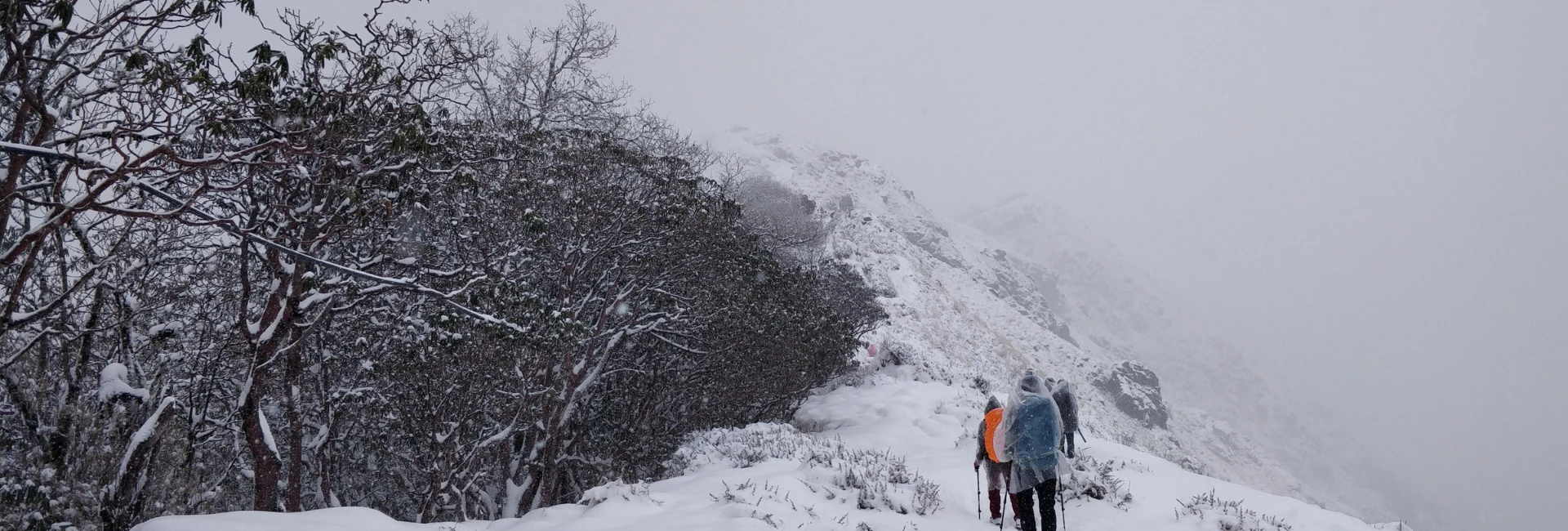
Yes, trekking in Nepal is open in winter, with conditions. Most popular trails stay accessible from December to February, though a few high passes close under snow and some tea houses shut for the season.
Nepal trekking in winter rewards people who plan well. You get crisp, clear mornings, quiet trails, and mountain views that are often sharper than in the busy autumn months. You also get real cold, shorter days, and the occasional weather delay none of which is a problem if you know what to expect.
This guide explains what stays open, what closes, and how the weather changes from December to February. It then covers the best treks for the 2026–2027 season, realistic costs, permits, packing, and safety. If you would rather have someone else handle the logistics, our Nepal trekking packages are built around winter conditions, with flexible plans for weather changes.
Is Nepal Trekking Open in Winter?
Short answer: yes. Nepal has no official "trekking closed" season. National parks, conservation areas, permit offices, and trekking agencies operate all year. What changes from month to month is which routes make sense, how cold the nights get, and how much support is available at higher altitudes.
Think of winter as a season with a different set of rules. The trails are the same, but your route choice, your gear, and your schedule all need to respond to the cold and the short days.
What Stays Open
Low and mid-altitude treks run normally in winter. Poon Hill, Mardi Himal, Langtang Valley, Helambu, and the lower stretches of the Annapurna region are all walkable. The Everest Base Camp trek is possible too, as long as you prepare for serious cold at the top.
Rain-shadow areas, such as Mustang, receive far less snow than the southern slopes of the Himalaya, because the high mountains block most moisture. That makes them a smart winter option for trekkers who want dry trails.
Kathmandu and Pokhara keep their usual services hotels, restaurants, gear shops, and permit offices. Domestic flights to Lukla, Pokhara, and Jomsom operate when the weather allows.
What Closes
High passes are the main casualties. Thorong La on the Annapurna Circuit and Cho La on the Gokyo route can become dangerous with deep snow, ice, and strong wind. Most operators avoid them from December through February, and for good reason.
Some lodges at higher altitudes close for the season, and a few remote villages empty out as locals move to lower ground until spring. That is normal, and a good itinerary accounts for it by confirming open accommodation before you leave.
Why Nepal Trekking in Winter Can Be a Smart Choice
Winter sits between the monsoon and the spring bloom, so the air is dry and dust is low. Skies are often deep blue, and peaks like Ama Dablam, Annapurna South, and Langtang Lirung stand out sharply at sunrise.Trails are also quieter than in October or April. You will still meet other trekkers, but you will rarely queue for a table in the dining room or fight for a bed.There is a practical benefit as well. With fewer people on the trail, your guide has more flexibility, and lodge owners have more time to talk. Many trekkers say that this slower pace is what they remember most.
Winter Weather in Nepal by Month
Altitude matters more than the calendar. As a rough guide, daytime temperatures at low altitude (below 2,000 m) sit around 10–18°C. At mid altitude (2,500–3,500 m), expect roughly 0–8°C in the day, and above 4,500 m, daytime readings hover near or below freezing. Night temperatures drop much further, often to -10°C or colder at higher camps.
Treat these as general ranges, since conditions vary by valley, by year, and even by the hour. Sun-facing slopes can feel warm at noon, and the same trail can feel bitter once you step into shade or the wind picks up.
December
December is usually the most stable winter month. Skies are generally clear, snowfall is light on most lower routes, and visibility is excellent, with sharp views from early morning until mid-afternoon. Days are short, with roughly 10 to 10.5 hours of daylight, so treks start early. At low and mid elevations, early December still feels like late autumn, with comfortable daytime walking and cold, but manageable, nights. That makes it a good time for first-timers and for anyone who wants winter views without extreme conditions. Higher up, expect frost on trails in the morning and a hard drop in temperature after sunset. At Everest camps above 4,500 m, nights are already well below freezing.
January
January is the coldest month. Nights at altitude are harsh, frost is common, and snow can cover trails above 3,000 m. Water bottles can freeze overnight, and lodge rooms are rarely heated. Daylight is still short, at about 10.5 to 11 hours. When the weather holds, January delivers some of the clearest mountain views of the year. It is also the quietest month on the trail, so you may share a lodge with only a handful of other trekkers. Lower routes such as Poon Hill and Helambu remain comfortable in the middle of the day, which is why they are popular choices for this month. High-altitude routes need extra planning, warmer gear, and a flexible schedule.
February
February begins to warm slowly. Daylight stretches closer to 11 to 11.5 hours, and the coldest nights ease, though snowfall can still occur, especially late in the month. Low-altitude forests start showing early rhododendron buds, and visibility stays good. The trails also start to feel livelier as the season turns. Lodges that closed in January may begin reopening toward the end of the month, though this varies by village and year. Many guides consider February a sweet spot colder than March, but with longer days and fewer crowds than spring. It is a good month for trekkers who want a balance of clear skies and manageable temperatures.
Pros of Nepal Trekking in Winter
Here is why trekkers choose Nepal trekking in winter despite the cold.
- Clear skies: Dry air often means sharp, uninterrupted views, especially in the early morning.
- Fewer crowds: Trails and tea houses are noticeably quieter than in peak seasons.
- Lower prices: Lodges, domestic flights, and some services tend to cost less, and operators may offer discounts. Confirm current rates before booking.
- Easier bookings: Rooms and flights are easier to secure on short notice, and you have more flexibility with dates.
- Cultural calm: Villages move at a slower pace, so you often get more time with the people who live there.
Challenges and Risks of Winter Trekking
Winter is not for everyone, and honest planning makes the difference. Here is each challenge and how to handle it.
Cold
Nights are the real test. In many lodges, the bedrooms are unheated, and the dining room stove becomes the social center of the evening. Handle the cold with proper layers, a sleeping bag rated well below the expected temperature, and warm drinks through the evening. A few habits help. Change out of damp clothes as soon as you arrive, keep your electronics warm inside your sleeping bag, and fill a bottle with hot water to use as a bed warmer. Eat regularly, too, since your body burns more energy in the cold.
Snow on High Passes
Snow can block routes and raise avalanche risk on steep slopes. Fresh snowfall is especially risky, because it can hide ice and loose rock underneath. Choose routes that avoid high passes, and always ask your operator for current trail conditions before and during the trek. Your guide may suggest turning back or changing the route. Trust that call never push through a closed or doubtful section just to finish the itinerary.
Shorter Days
With only about 10 hours of daylight, you walk shorter distances and start early. Sunset brings a quick drop in temperature, so you want to reach the lodge by mid-afternoon. Carry a headlamp with spare batteries, and build extra days into your schedule. A relaxed plan is a safer plan in winter.
Closed Tea Houses
Some lodges close for winter, mostly above 4,000 m or in remote villages. This can limit where you sleep, so planning matters more than in peak season. A good operator confirms open accommodation ahead of time and has backup options. This is one of the strongest reasons not to improvise on your own.
Lukla Flight Delays
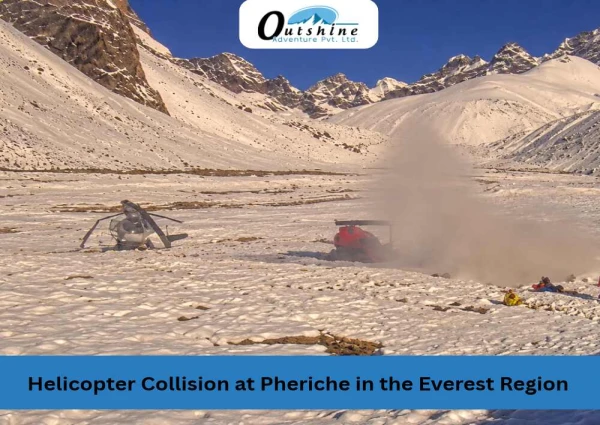
Winter fog in Kathmandu and mountain weather can delay or cancel flights to Lukla. Delays of a day or more are not unusual, and they can ripple into your international flight plans. Add two or three buffer days to an Everest itinerary, and ask about alternatives such as the Everest Base Camp heli tour if time is tight. Schedules change, so verify flight details before booking. For recent safety context in the Everest region, see our post on the Pheriche helicopter collision and how to trek safely.
Top Treks for Dec-Feb 2027
Here are the best winter treks in Nepal for the 2026–27 season. Details are approximate and conditions can change, so always confirm current trail status with your operator before departure.
Poon Hill Trek
- Duration: 4–5 days (a shorter 3-day Poon Hill option also exists)
- Max altitude: about 3,210 m
- Difficulty: Easy to moderate
This is the classic beginner choice. The Ghorepani Poon Hill trek stays below 3,300 m, so snow is usually light and lodges are plentiful. The trail climbs through rhododendron forests and stone-stepped villages before reaching Ghorepani, where most trekkers wake before dawn for the sunrise walk to Poon Hill.
In clear winter air, the view of Dhaulagiri and the Annapurna range at sunrise is a highlight. Nights in Ghorepani can be cold, so pack a warm layer for the early-morning climb. It suits first-timers, families with older children, and anyone with limited time.
Everest Base Camp Trek
- Duration: 12–15 days
- Max altitude: about 5,364 m (Kala Patthar about 5,545 m)
- Difficulty: Challenging
Yes, Everest Base Camp in winter is possible. It is also cold, with night temperatures at Gorak Shep often falling far below freezing. Winds can be strong, and some higher lodges may be closed or have limited services.
The reward is clear air, quiet trails, and sharp views of Everest, Lhotse, and Ama Dablam. The route follows the Dudh Koshi valley through Namche Bazaar, Tengboche, and Dingboche, with rest days built in for acclimatization.
This trek needs good fitness, warm gear, and an operator who plans flight buffers carefully. If you want extra comfort in the cold, ask about the Everest Base Camp luxury trek or browse all Everest trekking options.
Annapurna Base Camp Trek
- Duration: 7–10 days
- Max altitude: about 4,130 m
- Difficulty: Moderate to challenging
The Annapurna winter trek to Base Camp can be beautiful, because the sanctuary sits inside a ring of snow-covered peaks. It also needs caution. Avalanche risk is real on the upper sections between Deurali and the base camp, especially after heavy snowfall.
Check current local advice before you go, and be ready to turn back or change plans. This is a trek where a flexible schedule and an experienced guide matter more than anywhere else on this list. If conditions look doubtful, Poon Hill or Mardi Himal is a safer alternative.
Mardi Himal Trek
- Duration: 5–7 days
- Max altitude: about 4,500 m (viewpoint)
- Difficulty: Moderate
The Mardi Himal trek offers a close-up view of Machapuchare, the "Fishtail" mountain, without the crowds of Annapurna Base Camp. The lower forest trail is pleasant in winter, with moss-covered trees and quiet villages.
The upper ridge can hold snow and ice, and conditions at the high viewpoint vary from week to week. Ask for the latest trail status before you commit. It suits trekkers who want a moderate challenge with a strong payoff and fewer people.
Langtang Valley Trek
- Duration: 7–9 days
- Max altitude: about 3,870 m at Kyanjin Gompa (Kyanjin Ri about 4,770 m)
- Difficulty: Moderate
The Langtang Valley trek starts close to Kathmandu, which keeps logistics simple and avoids domestic flights. Winter brings cold nights and occasional snow, but the valley is quiet, and the views of Langtang Lirung are excellent.
The route passes Tamang villages and yak pastures, and the cultural side of the trek is a big part of the appeal. Some lodges in the upper valley may close, so confirm accommodation in advance. More options are on the Langtang trekking page.
Helambu Trek
- Duration: 5–8 days
- Max altitude: about 3,650 m (Tharepati)
- Difficulty: Easy to moderate
Helambu is a gentle, culturally rich route with Sherpa and Tamang villages and forested ridges. It is close to Kathmandu, so you avoid long drives and flights, and the altitude gain is gradual.
It is a good winter option for travelers with limited time or those wanting lower altitude. Snow is possible on the higher ridge near Tharepati, so ask about conditions if you plan to go that far.
Upper Mustang
- Duration: 10–14 days
- Max altitude: roughly 3,800–4,200 m
- Difficulty: Moderate
Upper Mustang sits in a rain shadow, so it gets far less snow than other regions. The scenery is dry and dramatic, with eroded cliffs, ancient cave dwellings, and the walled town of Lo Manthang.
Winter here is dry but very cold and windy, and some lodges in remote villages close for the season. The trek requires a special restricted-area permit and a registered guide, so confirm the current rules and availability with your operator.
Treks to Avoid in Winter
Skip the Annapurna Circuit's Thorong La crossing (about 5,416 m) and the Cho La crossing on the Everest Gokyo route (about 5,420 m) during December to February. Heavy snow, ice, and extreme cold make these passes unsafe for most trekkers.
Other high, remote routes, such as Manaslu or Kanchenjunga, generally need specialist planning and are not recommended for beginners in winter. They are better saved for the spring or autumn seasons.
Quick Comparison: Winter Trek Suitability
| Trek | Days | Max Altitude | Difficulty | Winter Suitability |
|---|---|---|---|---|
| Poon Hill | 4–5 | ~3,210 m | Easy–Moderate | Very good |
| Everest Base Camp | 12–15 | ~5,364 m | Challenging | Good with preparation |
| Annapurna Base Camp | 7–10 | ~4,130 m | Moderate–Challenging | Conditional (avalanche risk) |
| Mardi Himal | 5–7 | ~4,500 m | Moderate | Good, upper ridge variable |
| Langtang Valley | 7–9 | ~3,870 m | Moderate | Good |
| Helambu | 5–8 | ~3,650 m | Easy–Moderate | Very good |
| Upper Mustang | 10–14 | ~3,800–4,200 m | Moderate | Good (cold, windy) |
| Thorong La / Cho La | — | ~5,400 m | Challenging | Avoid |
What Do Nepal Trekking Packages Include in Winter?
A package turns a complicated trip into a single booking, and that matters most when the weather changes plans. Inclusions vary by operator, so always read the itinerary carefully. You can compare itineraries and inclusions across our full range of Nepal trekking packages.
Usually included:
- Trekking permits and park entry fees
- Licensed trekking guide (and porter, depending on the package)
- Tea house accommodation on the trail
- Meals during the trek (often breakfast, lunch, and dinner)
- Ground transport and domestic flights where listed
- Airport transfers and hotel nights in Kathmandu or Pokhara
Usually not included:
- International flights
- Nepal visa fees
- Travel insurance
- Personal gear (or rental fees)
- Tips for guide and porter
- Extra drinks, snacks, hot showers, and device charging
When a flight is delayed or a trail closes, a package gives you someone who can rebook, reroute, and solve problems on the spot. Ask each operator what happens if weather forces a change, and whether extra days are covered.
Winter Trek Costs
These are rough estimates in USD and not quotes. Prices change by season, operator, and group size, so confirm current rates on each trek page or with the operator before booking.
- Poon Hill: about $400–$700
- Mardi Himal: about $450–$750
- Helambu: about $400–$700
- Langtang Valley: about $500–$900
- Annapurna Base Camp: about $600–$1,000
- Everest Base Camp: about $1,300–$2,200 (higher with extra flights or upgrades)
- Upper Mustang: often $2,000 or more, mainly because of the restricted-area permit
What affects the price? Group size, since private treks cost more per person. Guide experience, flight costs, lodge standard, and whether porters are included also change the total. Winter can bring savings on lodging and services, but flights and permits are usually fixed.
What Affects the Price
- Group size: Private treks cost more per person than group departures, because guide and transport costs are shared across fewer people.
- Guide level: Experienced, English-speaking or multilingual guides may cost more, but they add real value in winter conditions.
- Flights: Everest and Annapurna routes often involve domestic flights, and those prices vary. Winter fares can be lower, but they change often.
- Lodge standard: Basic tea houses cost less, while upgraded or luxury lodges raise the total.
- Porters: A porter makes winter gear much easier to carry, and the cost is usually modest compared with the benefit.
Winter can bring savings on lodging and services, but flights and permits are usually fixed. Always ask for a written breakdown so you know exactly what you are paying for.
Winter Packing List
Pack for cold nights, not warm days. Our trekking equipment guide has a fuller checklist, and the basics are below.
Clothing and Layers
- Base layer: merino or synthetic tops and bottoms that wick sweat
- Mid layer: fleece or light insulation for walking and evenings
- Insulation: a down jacket for rest stops and cold nights
- Shell: a waterproof and windproof jacket and trousers
- Socks: several pairs of wool socks, plus a thick pair for sleeping
Sleep and Warmth
- Sleeping bag: rated to at least -15°C for high routes, and lower for Everest, though lodges often provide blankets
- Hot water bottle: a simple way to stay warm at night
- Hands and head: warm gloves (plus liners), a wool hat, and a neck gaiter
Footwear and Gear
- Boots: broken-in, waterproof trekking boots with good grip
- Trekking poles: useful on icy and uneven ground
- Headlamp: with spare batteries, because days are short
- Sun protection: sunglasses with UV protection, sunscreen, and lip balm, since snow glare is strong
- Extras: water bottles, a small first-aid kit, and a power bank kept warm inside your jacket
For everything else you should bring, use the essential travel checklist.
Permits
Most treks need a mix of permits, and the exact list depends on the region. Your operator usually arranges them, but it helps to know what each one covers.
- TIMS card: a trekker registration card required in some regions
- National park or conservation area permits: entry fees for areas such as Sagarmatha, Annapurna, or Langtang
- Local permits: extra permits in certain areas, such as the local municipality permit in the Khumbu region
- Restricted-area permits: special permits for places like Upper Mustang, issued only through a registered agency
Fees and rules change, so always verify current costs with official sources or your operator before you travel. Keep copies of your permits and passport on the trail, since checkpoints may ask for them. For general planning, see our trekking information page.
Safety and Altitude Tips for Winter
Winter adds cold to the usual altitude risks, so good habits matter more.
- Acclimatize slowly: Add rest days on routes above 3,000 m, and follow the "climb high, sleep low" rule where possible.
- Hydrate: Cold dulls thirst, so drink steadily throughout the day, even when you do not feel thirsty.
- Know the signs of altitude sickness: Headache, nausea, and unusual fatigue mean you should stop, rest, or descend. Read more about high altitude sickness.
- Use a licensed guide: A guide reads weather, trail conditions, and your pace in ways a map cannot.
- Get the right insurance: Choose travel insurance that covers trekking at your maximum altitude, including helicopter evacuation. Our travel insurance guide for trekking in Nepal explains what to look for.
- Speak up early: Tell your guide if you feel unwell, cold, or unusually tired. Small problems are easy to manage early and hard to manage late.
So, is Nepal safe to trek in winter? Generally yes, when you choose suitable routes, go with experienced people, and respect the weather. No trek is risk-free, and conditions can change quickly. Our Nepal travel safety and security guide covers more.
How to Choose a Reliable Trekking Company
Look for these signs:
- Registration: the company is properly registered in Nepal, so ask for details and check them. Outshine Adventure lists its registration and licensing on its legal documents page.
- Reviews: independent feedback from past trekkers on trusted platforms, plus our client reviews
- Flexible itineraries: clear plans for weather delays and route changes, including tailor-made trips
- Clear inclusions: a written list of what is and is not covered
- Emergency plans: a defined process for medical issues and evacuation
Curious how we work? See why travel with us or read about us.
Frequently Asked Questions
Is it safe to trek in Nepal in winter?
Nepal trekking in winter is generally safe on suitable routes with proper gear, a licensed guide, and flexible plans. The main risks are cold, snow, and altitude. Choose lower or rain-shadow routes if you are new, and always check current conditions before you go.
Is Everest Base Camp open in January?
Yes, the trail is open in January, but it is very cold, and some lodges at higher altitude may close or offer limited services. Flights to Lukla can be delayed, so build in extra days and confirm the plan with your operator. Details are on the Everest Base Camp trek page.
Which is the warmest winter trek?
Lower routes like Poon Hill and Helambu are usually the warmest, since they stay below about 3,700 m. Upper Mustang is dry but cold and windy, so warm does not apply there.
Do tea houses stay open in winter?
Most tea houses on popular low and mid-altitude routes stay open. Some at higher altitude or in remote villages close for the season, so confirm accommodation in advance.
Are Nepal trekking packages cheaper in winter?
Often there are modest savings on lodging and some services, and operators may offer off-season deals. Flights and permits usually cost the same. Compare quotes and confirm current rates before booking.
Can I customize a winter trek?
Yes. Most operators can adjust length, route, group size, and comfort level, and winter trekking packages in Nepal are often easier to tailor because demand is lower. You can customize your trip and share your experience and dates so the plan fits the season.
Ready for Nepal Trekking in Winter?
So, is Nepal trekking open in winter? Yes and for many people it is the best-kept secret of the calendar. You need warm gear, flexible days, and a realistic route, and in return you get clear mountains and quiet trails.
If you want help choosing between Poon Hill, Langtang, Everest Base Camp, or another route, explore our Nepal trekking packages or contact us to inquire about a winter trek for December 2026 to February 2027. You can also reach the team on WhatsApp at +977 9851126351.
For more trek guides and updates, visit the Outshine Adventure blog.