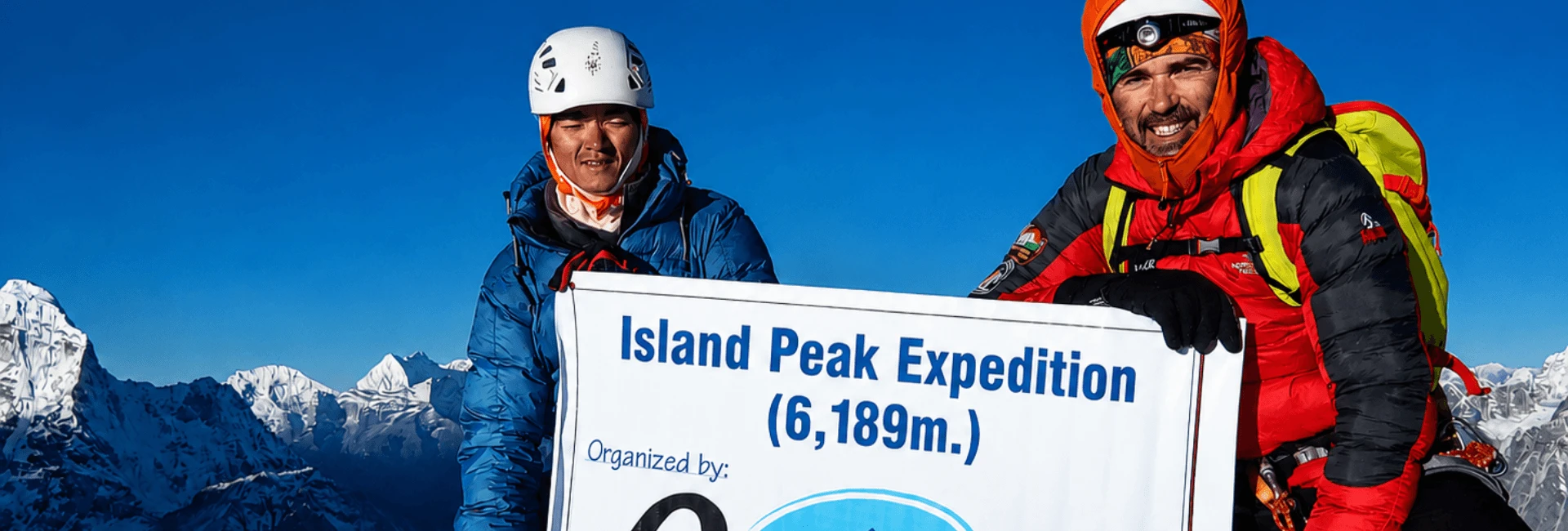
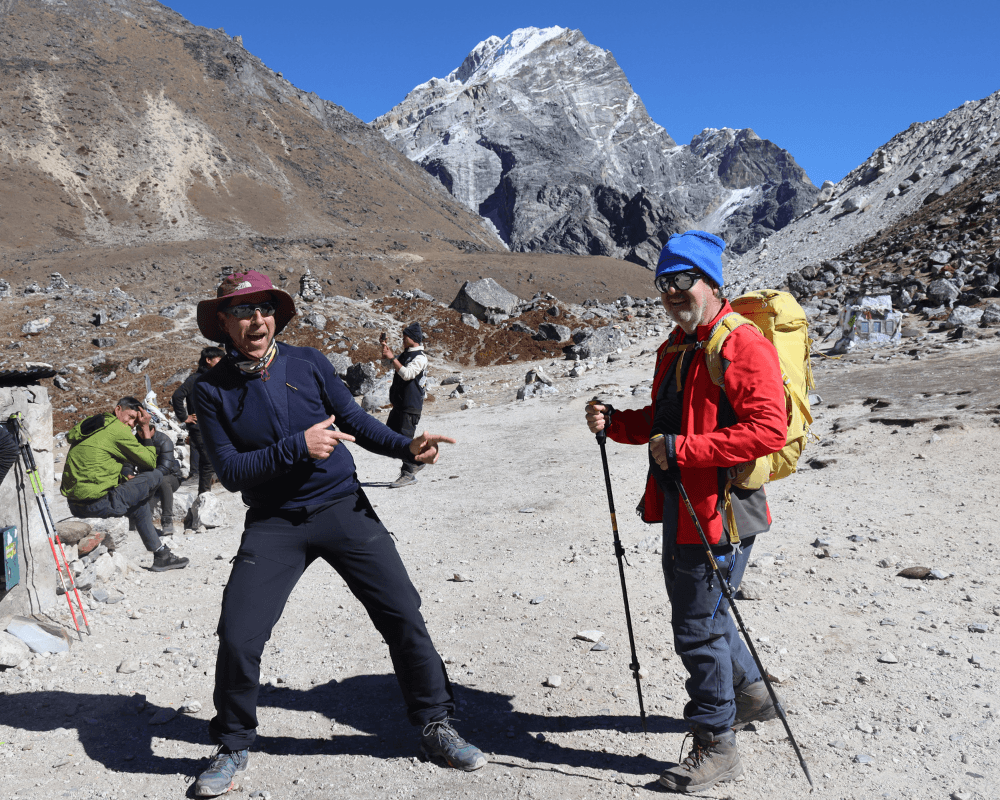
 Most people who end up climbing a Himalayan peak didn't plan on it. They came to Nepal to trek. Then someone at a teahouse mentioned Island Peak. Then they started googling at 11 pm, and four weeks later, they were buying crampons.
That's not a bad way to end up here, honestly.
Peak climbing in Nepal is an activity that seems much more exciting than it frequently turns out to be. There are some aspects of peak climbing that are extremely challenging and require months of preparation for a full climb of Dhaulagiri or Annapurna I.
However, there are also a lot of aspects in between those extremes that fit into the range of activities open to someone physically fit and determined to give it a try despite having no experience of climbing.
This blog is written for beginners with no experience in peak climbing. It covers the information regarding the things that you should know, as well as what actual peaks are like and, additionally, what to prepare before arriving.
How Nepal Actually Classifies its Mountains
Nepal's Department of Tourism puts mountains into three buckets.
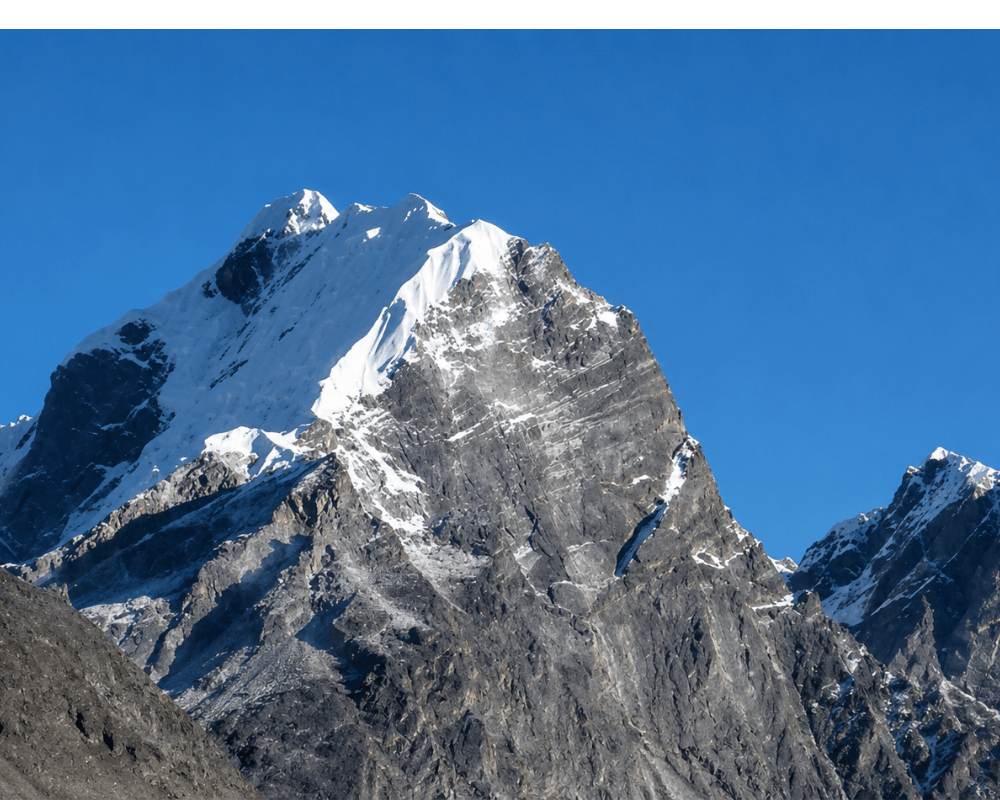
The first is trekking peaks. There are 33 officially designated peaks, most under 6,500m, open to recreational climbers on a simplified permit system. The name is genuinely confusing because some of these require ice axes, crampons, and fixed ropes. They're not hikes. But compared to what's in the next category, the bar for attempting them is much lower.
The second is expedition peaks. These are the eight-thousanders and their serious neighbors. Everest,Manaslu, Dhaulagiri, Annapurna I, Ama Dablam. These require full expedition permits, experienced high-altitude teams, and, in some cases, months of preparation. The permit fees alone for Everest run over $11,000. This is not beginner territory.
The third category covers restricted and newly opened peaks.
What is meant when the trekking agencies speak of "mountain peak climbing in Nepal"? Mostly trekking peaks. The reason is that for most of the days of the adventure, you will be trekking, just as you would in any other trek. For the last one or two days, you will then go for the summit by roping up.
Trekking vs. Peak Climbing vs. Full Expedition
Worth spelling this out because people muddle them constantly.
Trekking is a kind of long hiking. Teahouses, trails, villages. The Annapurna Circuit, Langtang Valley, and Manaslu Circuit are some examples of trekking. The days are hard, sometimes high altitude, but with no technical gear and no ropes. You could do them in good hiking boots.
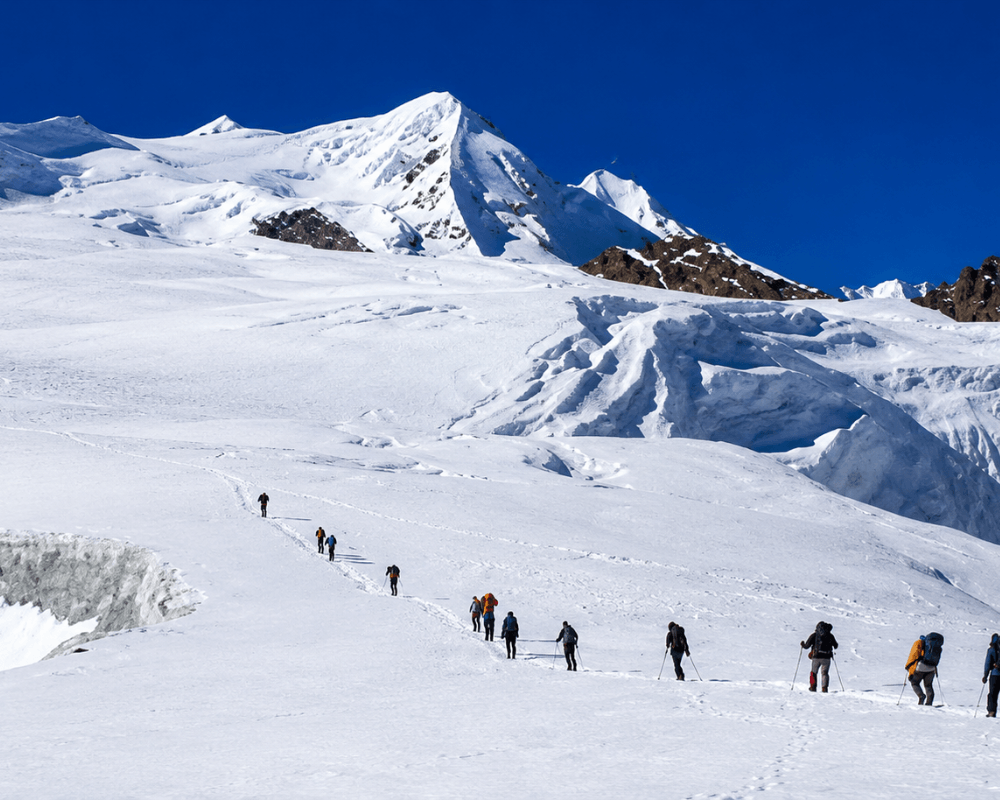
Peak climbing starts where trekking ends. The approach to base camp looks identical: the same teahouses, the same trails, and the same variable weather. Then you reach base camp, and the nature of the thing changes. Ice axes come out. Your guide runs you through crampon technique. You sleep in a tent instead of a lodge. And at some point between 1 am and 3 am on summit day, you start moving up in the dark.
Full expeditions are a separate world. Multiple high camps, weeks on the mountain, bottled oxygen on some routes. Ama Dablam sits in an interesting middle zone. It is technically demanding enough that it attracts serious climbers, but not an eight-thousander. Most beginners aren't there yet, but it's worth knowing it exists as a progression.
The Five Peaks Worth Knowing About
1. Yala Peak, 5,732 m
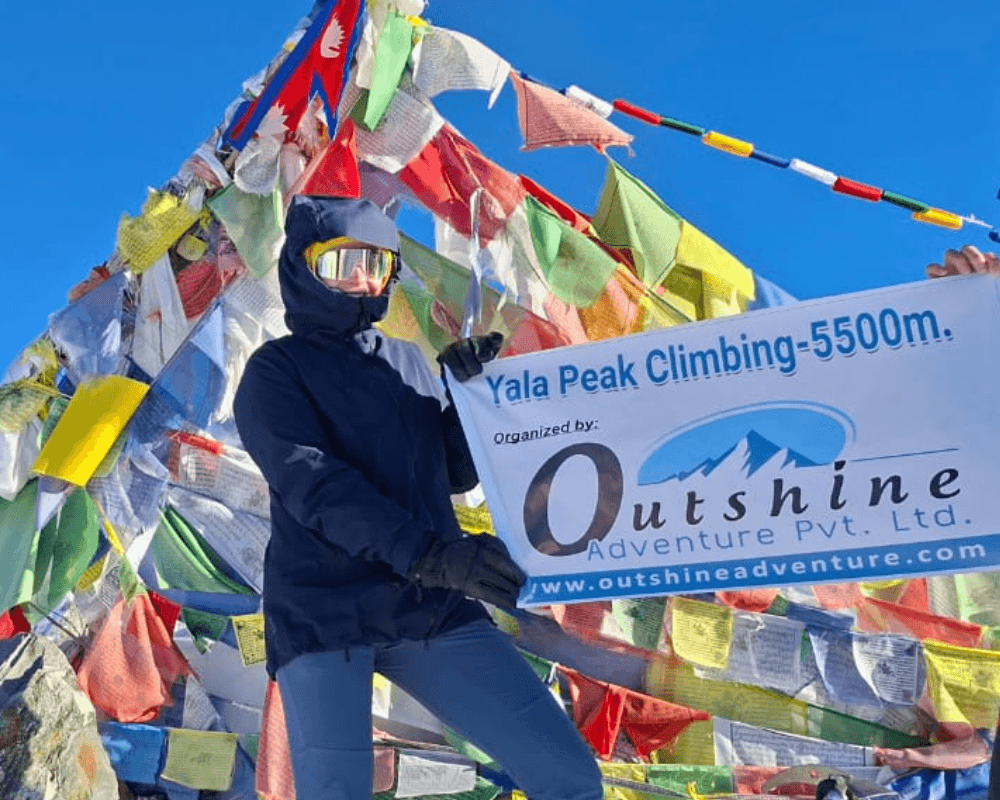
Yala Peak Climbing is one of the lowest trekking peaks and the easiest in Nepal. It's about a 7-hour drive north of Kathmandu into Langtang, so there's no mountain flight to worry about and no Lukla weather delay drama. You walk up through the valley past old monasteries and a yak-herder cheese factory that's been running for decades, acclimatize at Kyanjin Gompa, and then go up.
The summit push is non-technical. Crampons, yes; fixed rope, no; ice climbing, no. From the top, you're looking at Shishapangma across the Tibetan border.
The 15-day itinerary has a built-in spare day for weather, which sounds like a minor detail until you're sitting at base camp watching clouds and it matters a lot.
If you've never worn crampons and you want to find out what this kind of trip is actually like, Yala is the right place to start.
Mera Peak, 6,654 m
This trekking peak is the tallest in Nepal, and therefore, it may seem quite difficult. But what really surprises many people about it is that the route itself is relatively simple. It does not include ice climbing and technical climbing. However, crampons, an ice axe, and a rope team are definitely needed since one needs to go uphill through the slopes of snow and ice.
In return, what one receives is an amazing view of five of the highest mountains in the world: Everest, Lhotse, Makalu, Cho Oyu, and Kanchenjunga. The opportunity to see so many of the highest peaks at one time is rarely met. And the reason why climbers continue choosing this peak despite some other well-known choices lies right here.
It takes 18 days to reach the base camp of Mera, and the route does not coincide with the popular trail to Everest base camp.
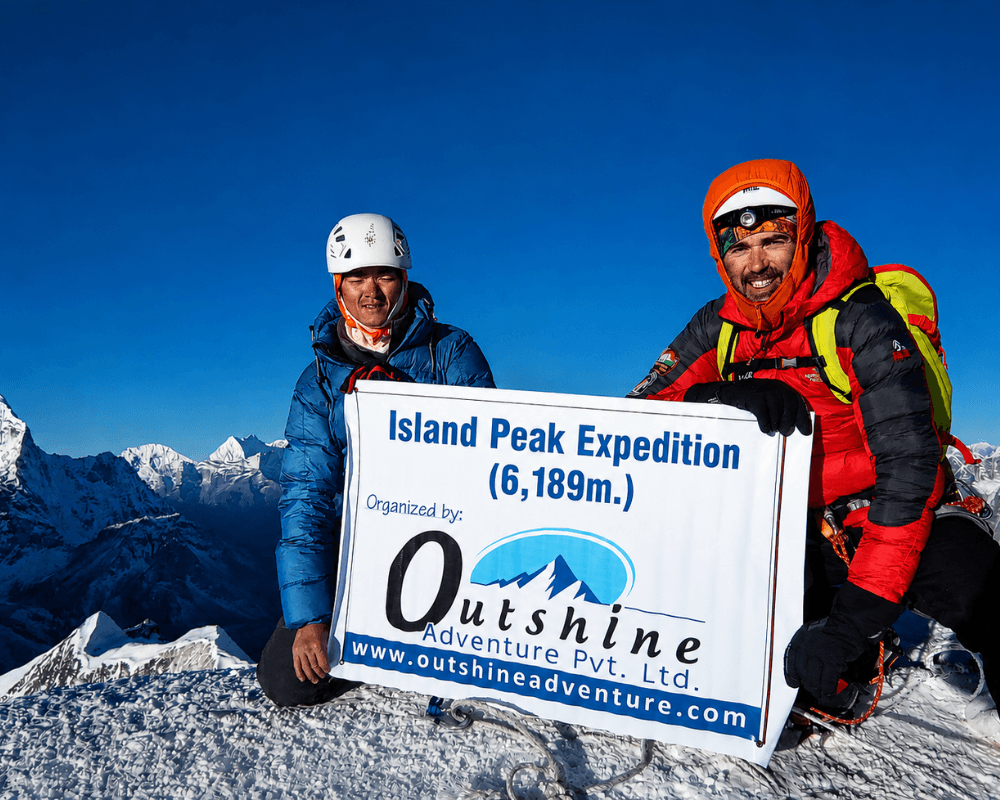
Island Peak, 6,187 m
Island Peak (whose actual name is Imja Tse, though no one uses it), located in the Khumbu region, is the highest trekking peak in Nepal above 6,000 meters. The trek starts from Namche Bazaar, Tengboche, and Dingboche and then moves toward Chhukhung.
The usual scenery in the Everest region will greet you on your way to the mountain, with Ama Dablam peeking out during most of the climb. This is what agencies gloss over when talking about climbing Island Peak: not everybody summits the peak.
People may simply run out of energy while climbing the steep final headwall, or conditions could close the route off, or acclimatization issues could catch up to them. For a normal group of clients, two-thirds should be expected to get to the top of Island Peak successfully.
This expedition takes 16 days and features a complete training session in the ropes and crampons, which might come in handy if you've never used them before.
- Lobuche Peak, 6,120 m
Lobuche East is a more challenging peak compared to Island Peak. Its true peak can be reached only by crossing a few false summits from a ridge that has ice cliffs on both sides. It is less famous, but the feature is the most exciting approach route, the EBC trek, including the villages of Namche, Tengboche, Pheriche, and Lobuche and visiting Everest Base Camp and Kala Patthar.
The best part about this itinerary is that it will work well even if you have already trekked to EBC and you decide to go back for its summit. Or, in case you are new to Khumbu and would like to climb both peaks in one trip, 20 days should cover everything.
- Pisang Peak, 6,091 m
Pisang is the outlier here. It's in the Annapurna area, built into the Annapurna Circuit. You trek the first section of the circuit to Pisang village, climb the peak, then continue through Manang over Thorong La Pass at 5,416 m, down to Muktinath and Jomsom, and fly out to Pokhara.
The 23-day trip is longer than the others, but it combines one of the world's most famous trekking routes with a genuine summit. For people who aren't drawn to the Everest region or who want drier terrain and a different cultural experience, it's a more interesting shape of trip.
Do You Actually Need Experience?
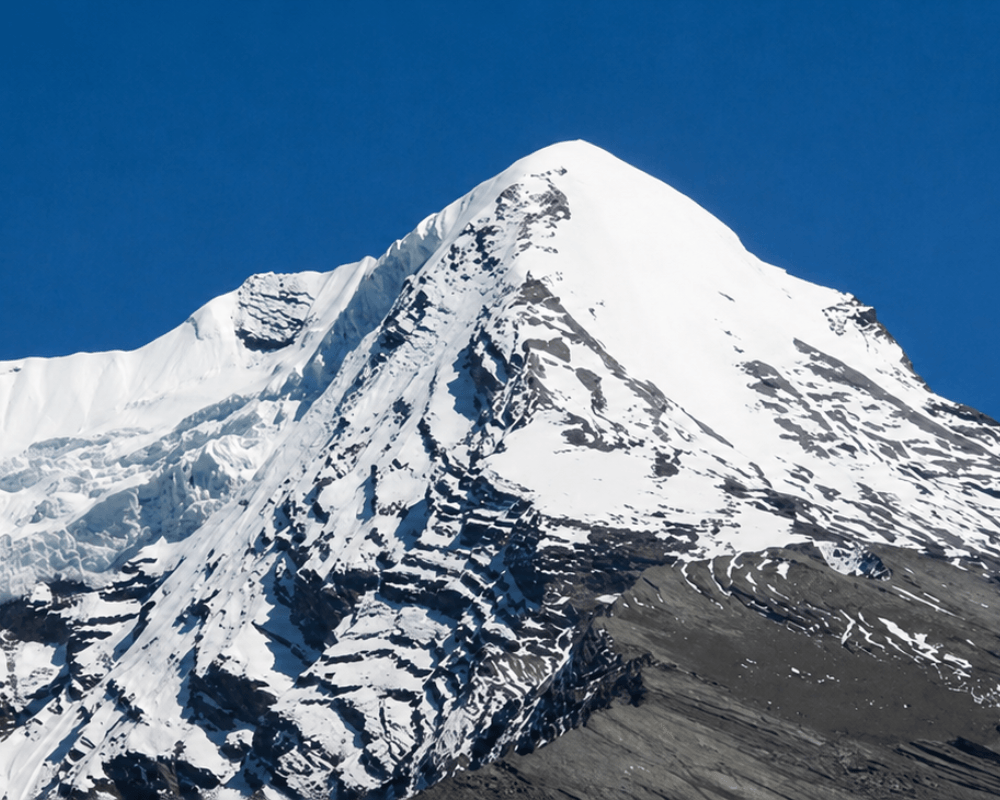
For Yala: No prior experience is needed. If you can walk six hours a day, follow instructions, and don't freeze up when you're on a slope with crampons on, you can do it. The guide handles everything technical.
For Mera: The altitude (6,654m) is the harder part, not the climbing. Previous trekking in Nepal above 4,000m is worth doing first. Physically, you need to be in better shape than for a standard trek, as Mera High Camp is at 5,800 m and summit day is long.
For Island Peak and Lobuche: The altitude experience helps. So it is necessary to have spent at least a day or two at some point using crampons and a harness. This is not mandatory, but you'll move more confidently and tire less quickly. Both itineraries include base camp training days, but a short introduction beforehand makes a real difference.
For Pisang: This is similar to Island Peak in terms of physical demands. No technical background required for the standard route, but the Annapurna Circuit section involves days at high altitude before you even get to the peak.
Permits
Every trekking peak needs an NMA (Nepal Mountaineering Association) climbing permit, plus the relevant national park or conservation area entry. For Sagarmatha National Park peaks (Mera, Island, and Lobuche), you also pay a national park fee. Langtang National Park covers Yala. The Annapurna Conservation Area covers Pisang. There's also a garbage deposit fee on most peaks.
Your operator handles all of this. You don't need to apply yourself. It should be in the package cost. If an agency is quoting you a price that doesn't include permits, ask why.
Best Time for Peak Climbing in Nepal.
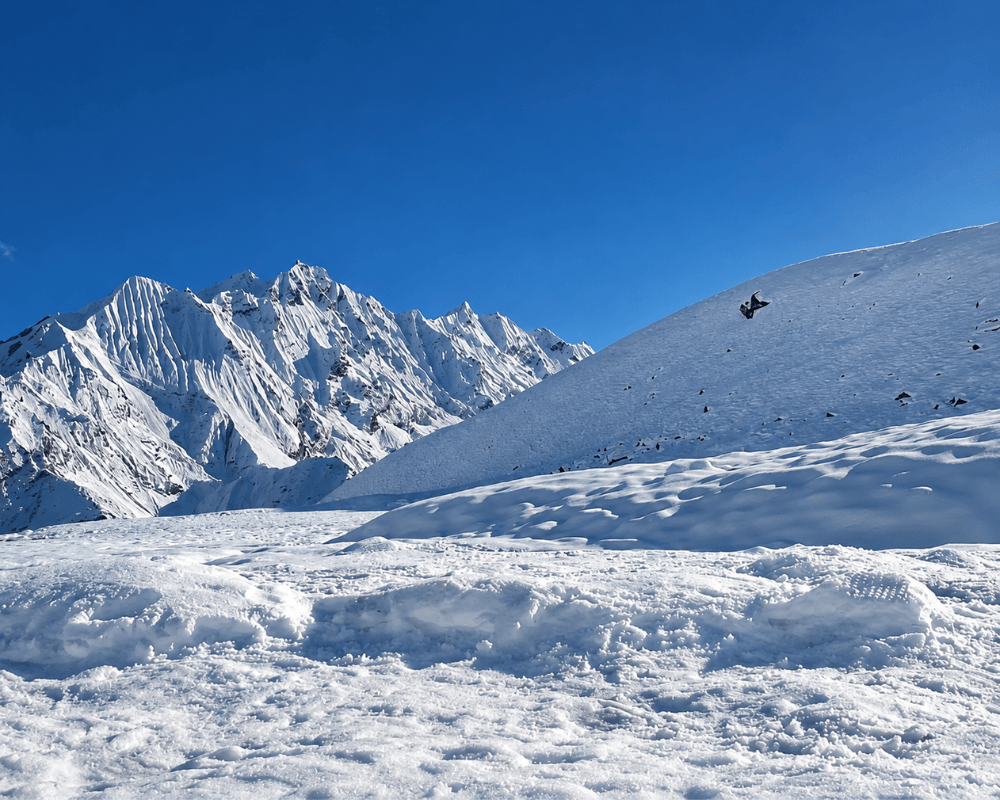
March to May: This is the main pre-monsoon season. Weather stabilizes through March; April is ideal; May is still good, though afternoon storms come earlier as the monsoon approaches.
From September to December, it is the post-monsoon. The skies clear fast after September. October is the busiest month in Nepal for a reason. December gets cold at altitude but is still viable for most peaks.
June through August: This is the monsoon. Heavy rain, unstable snow, poor visibility, and slippery trails. Technically possible, not recommended for a first attempt.
January and February: They are colder, quieter, and shorter weather windows. Doable for experienced people who don't mind the cold and want the solitude. Not the best introduction.
What if You Don't Make the Summit?
This is worth thinking about before you go, not after.
On Island Peak and Lobuche, a meaningful number of attempts don't result in a summit. The weather shuts down the route. Someone in the group has acclimatization problems. Someone hits the headwall and decides it's enough. These aren't failures, but they're how mountains work. The better operators build contingency into the schedule. An extra rest day and a weather buffer.
And if you don't get to the top? The trek is still the trek. The walk into the Hinku Valley on the Mera approach is worth doing regardless of what happens on the mountain. The Khumbu, on the way to Lobuche or Island Peak, is one of the best walks in the world, whether or not you summit. People who make the top and people who don't are usually equally happy with the trip by the time they get back to Kathmandu.
What's Actually Included in a Package
The standard package includes:
- Airport pickup and drop
- Kathmandu hotel, city tour (Pashupatinath, Boudhanath, Swayambhunath, Durbar Square)
- All meals on the trek, teahouse accommodation on the approach and tented camp at high altitude
- Licensed Sherpa climbing guide, porters, staff costs, including their food and insurance
- Climbing equipment (ropes, ice screws, snow bars), down jacket and sleeping bag loan
- Peak permits, National Park fees, and flights where the route requires them
(Kathmandu–Lukla for Everest region peaks, Jomsom–Pokhara for Pisang).
Not included: travel insurance, personal gear, Kathmandu meals outside the hotel, alcohol, tips.
Note: Travel insurance: Standard policies almost never cover high-altitude helicopter rescue. You need a policy that explicitly covers it, with an altitude limit above the peak you're climbing. This is not optional, as if something goes wrong at 5,800m, the evacuation is expensive, and you need to be covered.
A Few Practical Notes
Solo climbers pay a supplement, usually around $400–$450, because you need your own guide allocated to you rather than sharing one across a group. It's not a penalty, as the guide still has to be paid regardless of group size.
Groups of two or more start seeing per-person prices come down, and groups of five or more usually get a meaningful discount.
If you wish to extend sections, combine a peak with a detour through Upper Mustang or Kanchenjunga, or start with a cultural trek like Ghorepani Poon Hill before the peak. We, Outshine Adventure, do that as well.
Conclusion
If you've never done anything like this and want to work up to it sensibly, do a multi-day trek first. Langtang Valley, Everest Panorama, and Ghorepani Poon Hill. See how your body handles three to four days above 3,500m. Then come back for Yala Peak or Mera Peak.
After that, Island Peak and Lobuche are reasonable next targets. Pisang, if the Annapurna region appeals more than the Khumbu.
The mountain isn't going anywhere. Getting the preparation right matters more than rushing to the summit.
We at Outshine Adventure offer multiple peak climbing destinations. Browse all peak climbing packages or get in touch to plan something specific.