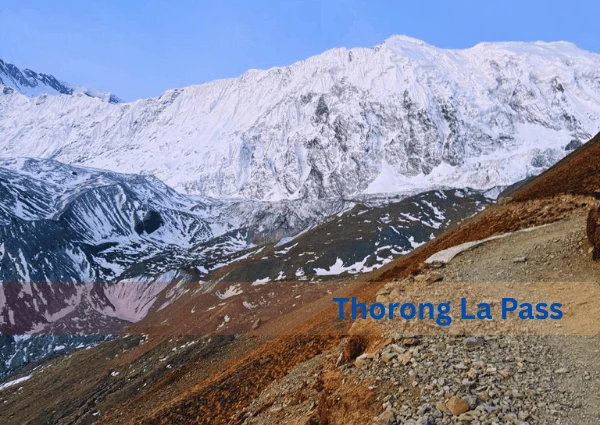
-(1280-x-720-px)-(6-x-4-cm)-(1000-x-800-px)-(1920-x-650-px)-(1000-x-800-px)-(1920-x-800-px)-(1000-x-800-px)-(1920-x-800-px)-(1280-x-800-px)-(1000-x-800-px)-(1920-x-650-px)-(1000-(convert.io).webp)
If you're planning your first peak climbing experience in Nepal, Mera Peak and Island Peak are the two names that come up most. Both sit in the Everest region, both are classified as trekking peaks requiring moderate technical skill, and both attract thousands of climbers every year. But they're meaningfully different in what they demand physically and technically, what they reward on summit day, what they cost, and who they're actually right for.
This guide breaks down every part of the decision: altitude, technical difficulty, cost, duration, training, permits, gear, safety, and season, so you can choose the right first peak instead of guessing based on socual media photos.
Quick Comparison — Mera Peak vs Island Peak
| Basis | Mera Peak | Island Peak |
| Altitude | 6,476m (21,247ft) | 6,189m (20,305ft) |
| Also known as | — | Imja Tse |
| Region | Hinku Valley, Everest | Chhukung Valley, Everest |
| Duration | 20 days | 17 days |
| Difficulty | Moderate | Moderate to Strenuous |
| Technical level | Low, glacier walk | Moderate, steeper headwall |
| Accommodation type | Mostly tented camps | Mostly guesthouses, tented near base camp |
| Permit cost (Spring) | USD 250 | USD 250 |
| Climbing Cost | US$2,050 | US$1,900 |
| Best for | First-time peak climbers | Those with prior glacier or climbing experience |
| Views from summit | Five 8,000m peaks including Everest | Everest, Lhotse, Nuptse, Ama Dablam |
Overview
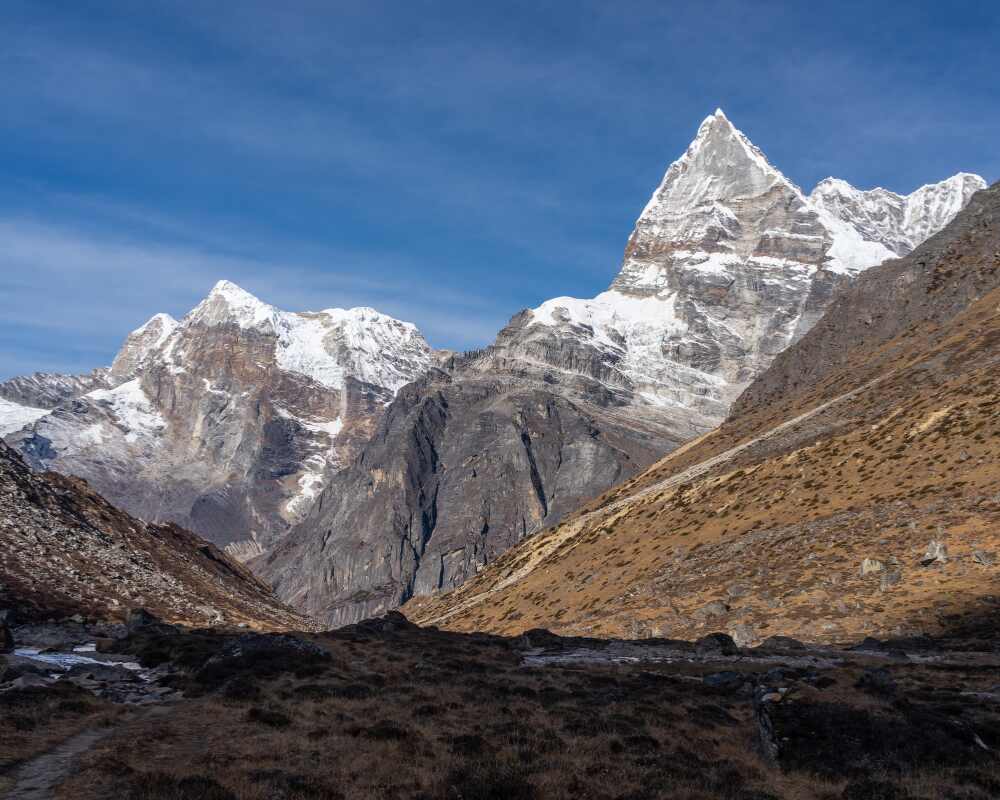
Mera Peak is a remote Himalayan summit that rises to 6,476m in the Hinku Valley, south of Everest, and is widely considered the highest trekking peak most climbers can reasonably attempt without prior mountaineering experience. The route follows the Hinku Valley through pine and rhododendron forest into a remote, largely uninhabited alpine environment, with a steep but non-technical glacier walk leading to the summit. The trek emphasizes solitude, wilderness camping, and a genuine sense of remoteness, making it ideal for climbers who want real altitude without committing to technical rope work.
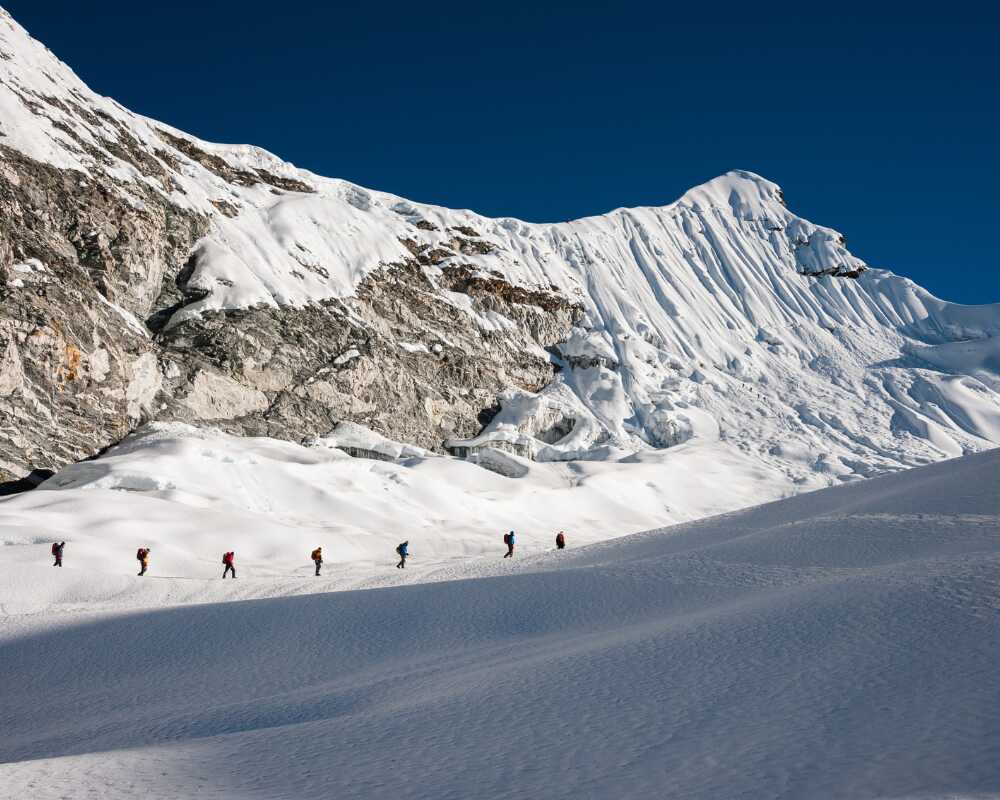
Island Peak, known locally as Imja Tse, is one of Nepal's most popular and demanding trekking peaks, reaching 6,189m in the Chhukung Valley of the Khumbu (Everest) region. Unlike Mera, the approach follows the established Everest Base Camp trail through Namche Bazaar and Tengboche before branching off toward Chhukung, meaning better infrastructure and easier acclimatization logistics. The summit push itself, however, is technically harder than Mera's, involving a fixed-rope headwall that demands prior rope-ascending skill or on-trip training.
Crowds and Trail Atmosphere
Mera Peak sees significantly fewer climbers than Island Peak. The remote Hinku Valley approach, combined with the requirement of a licensed guide and limited teahouse infrastructure, naturally caps how many groups attempt it in a given season. On Mera you often walk for hours without seeing another group, especially outside the peak weeks of spring and autumn. Camps feel intimate, with small groups sharing tented meals in a genuinely isolated setting.
Island Peak, by contrast, shares its approach with the classic EBC trek one of the busiest trails in Nepal. You'll pass through Namche Bazaar and Tengboche alongside EBC trekkers before your route diverges toward Chhukung, and base camp itself can feel crowded during peak spring and autumn weeks, with multiple teams queuing for the fixed ropes on the headwall during a favorable weather window.
If you want a summit with minimal crowds and a genuine wilderness feel, Mera Peak delivers that more consistently. Island Peak offers more social opportunities along the approach and the reassurance of established infrastructure, but a busier, more logistically coordinated summit push.
Terrain and Technical Difficulty
Mera Peak's summit route is primarily a glacier walk on steep but straightforward snow slopes, rarely exceeding 30–40 degrees. Crampons and an ice axe are required, and there are crevasses to navigate, but the climb doesn't involve technical rock, mixed climbing, or extended fixed-rope sections. For fit trekkers with basic crampon training, Mera's technical demands are manageable this is why it's often recommended as an introduction to 6,000m peak climbing.
Island Peak is a different proposition. Between high camp and the summit there's a headwall a near-vertical section of roughly 50–60 degrees fixed with rope that requires ascending with a jumar or prussik loops, a skill most trekkers have never practiced before arriving in Nepal. The route also crosses a bergschrund near the base of the headwall in darkness, usually around 2–3am, adding a real mental challenge on top of the physical one.
Both summits reward you with outstanding Himalayan panoramas Mera with five 8,000m peaks including Everest visible from a wide, relatively flat summit plateau; Island Peak with a narrower, more exposed summit framed by Everest, Lhotse, Nuptse, and Ama Dablam. Mera is the more forgiving climb technically; Island Peak is the more demanding one, regardless of altitude.
Difficulty and Physical Demands
Both peaks demand solid fitness, but they challenge you differently. The Mera Peak climb involves longer stretches of remote trail with fewer escape options and a full 20-day commitment, much of it in tented camps rather than guesthouses. Daily hiking runs 5–7 hours, with a demanding summit day above 6,400m that can take 8–10 hours round trip. Altitude is the dominant factor here, since much of the route sits above 3,000m for an extended period before the final push.
Island Peak's 17-day itinerary follows better-graded trail with more rest and acclimatization opportunities along the way, thanks to the shared EBC infrastructure. However, its summit night adds a distinct physical and technical load: ascending fixed ropes on a steep headwall, in the dark, after already spending days at altitude. Many climbers report that Island Peak's summit push feels harder in the moment than Mera's, despite Mera's greater overall altitude.
Neither peak requires elite fitness, but both require honest preparation cardiovascular training, multi-day hiking with a loaded pack, and, for Island Peak specifically, prior practice with a jumar and fixed ropes wherever possible before departure.
Cost
Outshine Adventure's Island Peak package cost starts from US$1,900 per person for solo climbers, while Mera Peak cost starts from US$2,050 per person. Part of the difference comes from the longer Mera Peak itinerary (20 days vs 17 days) and the extra remote camping days in the Hinku Valley, where all food, fuel, and equipment need to be carried in rather than resupplied through established guesthouses.
Both peaks carry a similar Nepal Mountaineering Association (NMA) climbing permit cost bracket around USD 250 per person in spring, with lower rates in the autumn season.
Both packages also offer per-person discounts for larger groups, which is worth factoring into your decision if you're weighing solo travel against joining a scheduled departure:
| Group size | Mera Peak | Island Peak |
| 1 pax (solo) | US$2,050 | US$1,900 |
| 2–10 pax | US$1,995 | US$1,875 |
| 10–20 pax | US$1,900 | US$1,795 |
What's included in these prices, on both itineraries, typically covers: airport transfers, standard accommodation in Kathmandu, a guided Kathmandu sightseeing day, all standard meals during the trek and climb, tea houses and/or tented accommodation along the route, a government-licensed guide, the required number of porters and climbing staff, staff insurance and equipment, national park entry fees, peak permit fees, garbage deposit fees, general climbing gear (rope, ice screws, snow bars), a down jacket and sleeping bag for the trip, and the Kathmandu-Lukla-Kathmandu flight with airport taxes.
What's typically excluded on both: lunch and dinner in Kathmandu, personal travel insurance (which should specifically cover high-altitude trekking and helicopter evacuation), personal climbing gear, alcoholic drinks, laundry, and tips for guides and porters.
Accommodation and Trail Infrastructure
Camps on the Mera Peak route are basic. Expect tented accommodation for a large part of the trip once you leave the last teahouses behind, shared dining in a mess tent, simple meals prepared by the trekking crew, and very limited connectivity or charging facilities in the remote upper valley.
Island Peak offers more comfort along most of the approach. Guesthouses with private or shared rooms, varied menus, and some Wi-Fi and charging options are available through Namche, Tengboche, and Dingboche, the same villages you'd pass through on our Everest Base Camp Trek with Mani Rimdu Festival departure, if your dates happen to line up with that autumn celebration with only the final stretch near base camp requiring a tented camp. Overall daily comfort is noticeably higher on Island Peak until the technical section itself begins.
Trekkers who prioritize comfort along the way will notice the difference quickly: Mera requires more acceptance of basic camping conditions for a longer stretch, while Island Peak provides more conveniences for most of the trip before the technical summit push.
Permits Required
| Permit | Mera Peak | Island Peak |
| NMA Peak Climbing Permit | Required | Required |
| National Park Entry | Makalu Barun National Park | Sagarmatha (Everest) National Park |
| Municipality Permit | Khumbu Pasang Lhamu Rural Municipality | Khumbu Pasang Lhamu Rural Municipality |
| Issued to | Registered agency + licensed guide only | Registered agency + licensed guide only |
| Combines with EBC permit? | No, separate park zone | Yes, same national park as EBC |
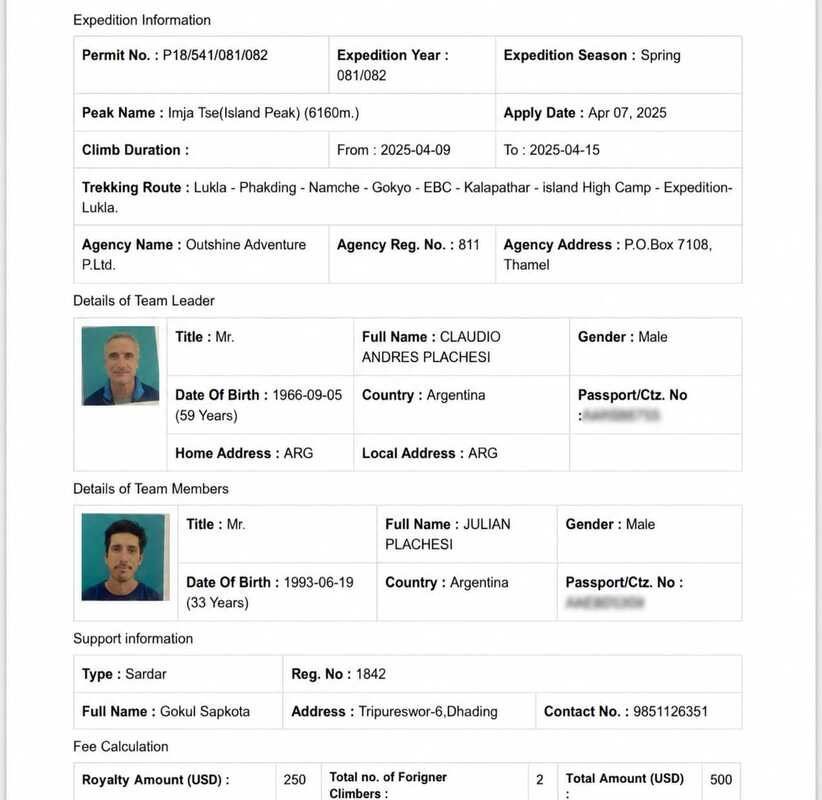
Mera sits in Makalu Barun National Park rather than Sagarmatha, even though the flight in goes through Lukla so it needs its own park permit. Island Peak sits inside Sagarmatha National Park, the same zone as the standard EBC trek, so no extra park permit is needed if you're combining the two. Outshine Adventure handles all permit processing for both routes you just need a passport, passport photos, and valid travel insurance.
Safety Considerations and What Guides Actually Do
On both peaks, the guide-to-climber ratio and the pace of acclimatisation are the two biggest safety levers available before you even leave Kathmandu. Reputable itineraries build in rest and acclimatisation days rather than rushing straight to altitude skipping these to save a day or two is the most common cause of Acute Mountain Sickness (AMS) turning what should be a manageable climb into an emergency descent.
On Mera Peak, the main risks are altitude-related (AMS, and at the extreme end HAPE or HACE) combined with crevasse hazard on the glacier approach to the summit, which is why climbers move roped together with a guide on that section. On Island Peak, altitude risk is present but somewhat lower given the better acclimatisation profile of the Khumbu approach; the primary risk shifts toward the technical terrain itself a fall on the fixed rope, exhaustion partway up the headwall, or a slip near the bergschrund in the dark, which is why guides pay close attention to pacing and turnaround times on summit day.
In both cases, a licensed, English-speaking guide leads the group, with porters and climbing staff carrying group equipment, and a "walk high, sleep low" acclimatisation strategy is used wherever the itinerary allows an extra night at a lower camp after a higher day hike.
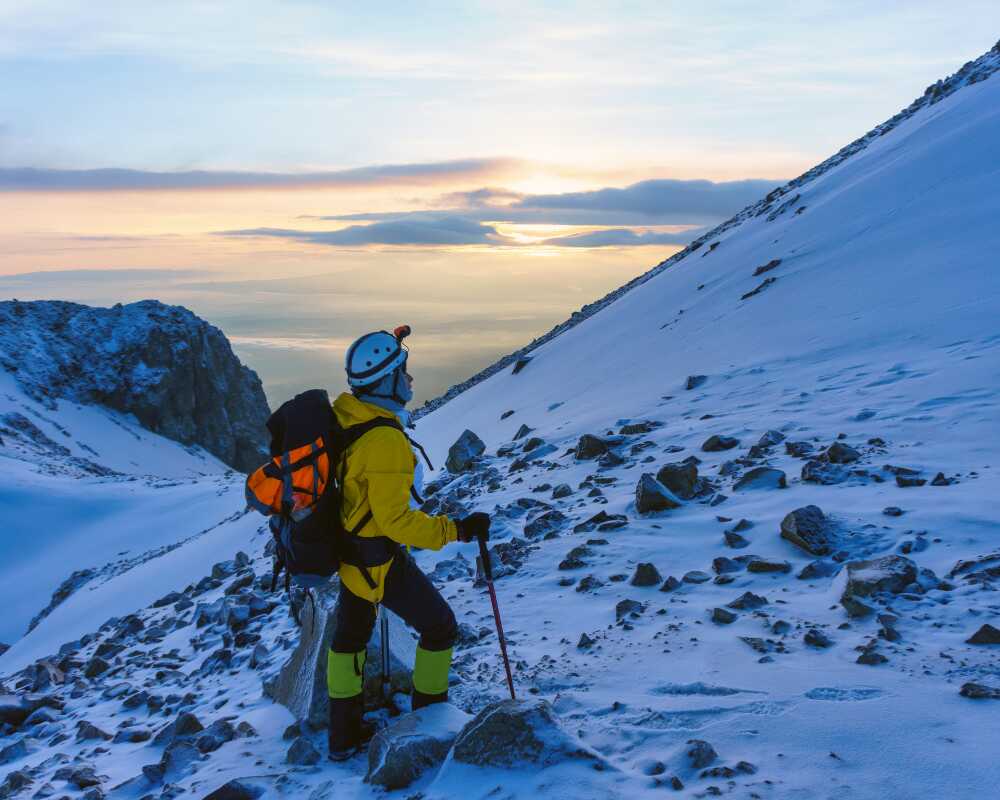
Mera Peak vs Island Peak Packing List 2026: Essential Gear Guide
| Category | Essential Items | Mera Peak | Island Peak |
| Clothing | Base layers, trekking trousers, socks | 2–3 tops, 2 pants, 3–4 pairs socks | Same |
| Outerwear | Fleece, down jacket, waterproof shell | 1 of each (down jacket often provided) | Same |
| Headwear | Warm hat, sun hat, glacier sunglasses, headlamp | 1 of each | Same, + 1 climbing helmet |
| Footwear | Trekking boots + insulated climbing boots, gaiters | 1 pair each | Same |
| Climbing Gear | Crampons, ice axe, harness | 1 set | Same, + jumar, prussik loops, belay device |
| Sleeping | 4-season sleeping bag (-20°C), sleeping mat | 1 of each (often provided) | Same |
| Personal & Safety | Backpack, water bottles, first-aid kit, sunscreen, trekking poles | 1 set | Same |
The core clothing, sleeping, and personal gear is nearly identical for both peaks. The one real difference is climbing hardware: Island Peak's fixed-rope headwall requires a climbing helmet, jumar, prussik loops, and a belay device that Mera Peak's simpler glacier walk doesn't need. Down jackets and sleeping bags are usually provided by Outshine Adventure; everything else can be brought from home or rented in Kathmandu.
Best Season to Climb Mera Peak or Island Peak
Both peaks share the same two climbing windows, which is one of the few things that doesn't differ between them:
- Spring (March to late May): the most popular season for both peaks, with warming temperatures, longer daylight hours, and generally stable weather, though also the higher NMA permit cost bracket and busier trails and campsites.
- Autumn (early September to late December): the second major window, offering the clearest mountain views of the year after the monsoon clears the air, with a lower permit cost than spring, though temperatures drop noticeably by late autumn.
Winter (January-February) and the monsoon months (June-August) are not recommended for either peak: winter brings extreme cold and icier technical terrain, particularly relevant on Island Peak's headwall, while the monsoon brings poor visibility, wet trails, and higher avalanche and rockfall risk on both routes.
Which Peak Offers Better Value in 2026?
If your priority is a genuine wilderness expedition and the highest altitude you can reach without technical rope skills, the Mera Peak Climbing package offers better value in 2026. Despite the longer itinerary and slightly higher price, it delivers a remote, low-crowd summit experience with views of five 8,000m peaks that few other treks in Nepal can match.
On the other hand, the Island Peak Climbing package delivers excellent value through its shorter itinerary, lower starting price, and better-developed infrastructure along most of the approach. For climbers who already have some Khumbu trekking experience and want to add a technical summit to their resume, it remains the natural next step.
Ultimately, Mera Peak offers better value for climbers prioritizing altitude and remoteness, while Island Peak offers better value for those prioritizing a shorter trip, lower cost, and a technical climbing challenge. See the full Mera Peak Climbing itinerary or detailed Island Peak Climbing package for complete breakdowns.
Which Should You Choose?
Choose Mera Peak if:
- You have no prior glacier or climbing experience.
- You want to reach real summit altitude (6,400m+) without technical rope work.
- You're willing to spend extra days on a more remote, less-trafficked approach.
- You want a lower-crowd, genuine wilderness expedition.
Choose Island Peak if:
- You've already done EBC or a similar Khumbu route.
- You have prior climbing experience or have trained with fixed ropes and a jumar.
- You want a shorter overall itinerary with more guesthouse comfort along the way.
- You're comfortable with technical terrain and pre-dawn starts in complete darkness.
If neither feels like quite the right fit, two other Outshine peaks are worth a look: Lobuche Peak, a step up in technical difficulty from Island Peak for climbers wanting more of a challenge, and Yala Peak, a shorter, non-technical summit in the Langtang region that suits complete beginners even better than Mera. For a broader look at how Nepal's trekking peaks compare, our Peak Climbing in Nepal guide covers the full picture, and if you're weighing a peak climb against a standard trek instead, browse our full range of Nepal expeditions for what comes after.
Conclusion
The main trade-off in Mera Peak vs Island Peak comes down to altitude and remoteness versus technical challenge and convenience. Mera rewards you with a higher, more isolated summit and a genuine sense of Himalayan wilderness at a slightly higher price and longer time commitment. Island Peak offers a shorter, more accessible trip built on established Khumbu infrastructure, but demands real technical rope skill in its final, hardest hours.
Consider your priorities for 2026: your comfort with technical rope work, your available time, and whether you already have Khumbu trekking experience. Review the full Mera Peak and Island Peak packages on Outshine Adventure, match them to your fitness and experience level, then train steadily in the months before departure cardiovascular fitness for Mera, and fixed-rope practice on top of that for Island Peak. Either summit will deliver a serious Himalayan achievement. Pack layers, pace yourself at altitude, and focus on steady, controlled progress on summit day. The mountains await.
Book Your Peak Climbing Trip with Outshine Adventure
Ready to climb? View our full details and booking options:
- Mera Peak Climbing — 20 days, from US$2,050
- Island Peak Climbing — 17 days, from US$1,900
- All Peak Climbing Packages in Nepal
Not sure which peak suits you? Contact us directly and our guides will recommend the right option based on your experience and fitness level.
-(1280-x-720-px)-(6-x-4-cm)-(1000-x-800-px)-(1920-x-650-px)-(1000-x-800-px)-(1920-x-800-px)-(1000-x-800-px)-(1920-x-800-px)-(1280-x-800-px)-(1000-x-800-px)-(1920-x-650-px)-(1000-(convert.io).webp)
-(1280-x-720-px)-(6-x-4-cm)-(1000-x-800-px)-(1920-x-650-px)-(1000-x-800-px)-(convert.io).webp)