-(1280-x-720-px)-(6-x-4-cm)-(1000-x-800-px)-(1920-x-650-px)-(1000-x-800-px)-(1920-x-800-px).webp)
The Annapurna Circuit Trek is one of the few treks in the world where a single trail takes you from subtropical villages to a 5,416-metre Himalayan pass and that same range, from lush lowlands to high desert, is exactly why its cost varies so widely. A trekker sticking to teahouses and dal bhat pays a fraction of what someone booking private jeeps and upgraded lodges will spend, even though they're walking the same route. This guide breaks down what actually drives the price, so you can budget for the circuit you want to trek, not just the average someone else quoted you.
The Annapurna Circuit Trek costs somewhere between $700 and $2,500 per person in 2026, and the gap between those two numbers comes down almost entirely to how you choose to trek. A bare-bones budget trip with teahouse dorms and no guide sits at the low end. A fully guided 15–16 day trek with a porter, private rooms, and organized transport lands in the middle, around $1195. A private or luxury departure with upgraded lodges and a dedicated vehicle pushes toward the top. This guide breaks down exactly where that money goes, what most people forget to budget for, and how to trim costs without cutting corners on safety whether you're a backpacker doing this independently, joining a guided group, or booking a private trip.
Quick Cost Summary
Here's a snapshot of what a standard 16 day guided Annapurna Circuit Trek costs per person, based on mid-range choices. Treat this as a planning table, not a quote your actual numbers will shift depending on season, group size, and comfort level.
| Expense | Estimated Cost |
| ACAP Permit | $25 |
| Accommodation (16 nights) | $180 |
| Food & Drinks | $350 |
| Guide (16 days) | $300 |
| Porter (16 days) | $220 |
| Transportation (Kathmandu–Besisahar–Pokhara–Kathmandu) | $100 |
| TIMS/Required Trekking Documentation (if applicable) | $20 (if applicable) |
| Total Estimated Budget | $1,195 |
Add $80–200 for travel insurance with high-altitude and helicopter evacuation cover, and another $30–60 a day in Kathmandu or Pokhara if you're spending extra nights there before or after the trek.
How Much Does the Annapurna Circuit Trek Cost?
- Budget traveller (independent, no guide): roughly $700–1,000 for the full trek. This means shared or basic private teahouse rooms, local dal bhat, and getting yourself to Besisahar by local bus. Note that a licensed guide is now required by Nepali law for this route, so even the leanest budget needs to account for guide wages.
- Guided group trek: $1,200–1,800. You're sharing a guide and often a porter with a small group, staying in standard teahouses, and following a fixed itinerary with transport arranged for you.
- Private trek: $1,800–2,500. Same route, but with a dedicated guide (and usually a porter) just for you or your travel companions, more flexibility on pace and rest days, and better rooms when they're available.
- Luxury trek: $2,500 and up. This adds upgraded lodges where they exist, a private vehicle instead of shared jeeps, and sometimes a support crew.
The spread exists because trekking cost in Nepal isn't fixed by the government the way permits are it's shaped by staffing ratios, accommodation standard, group size, and how much is arranged for you versus how much you handle yourself on the trail. For a day-by-day look at what a standard departure covers, see the full Annapurna Circuit Trek itinerary.
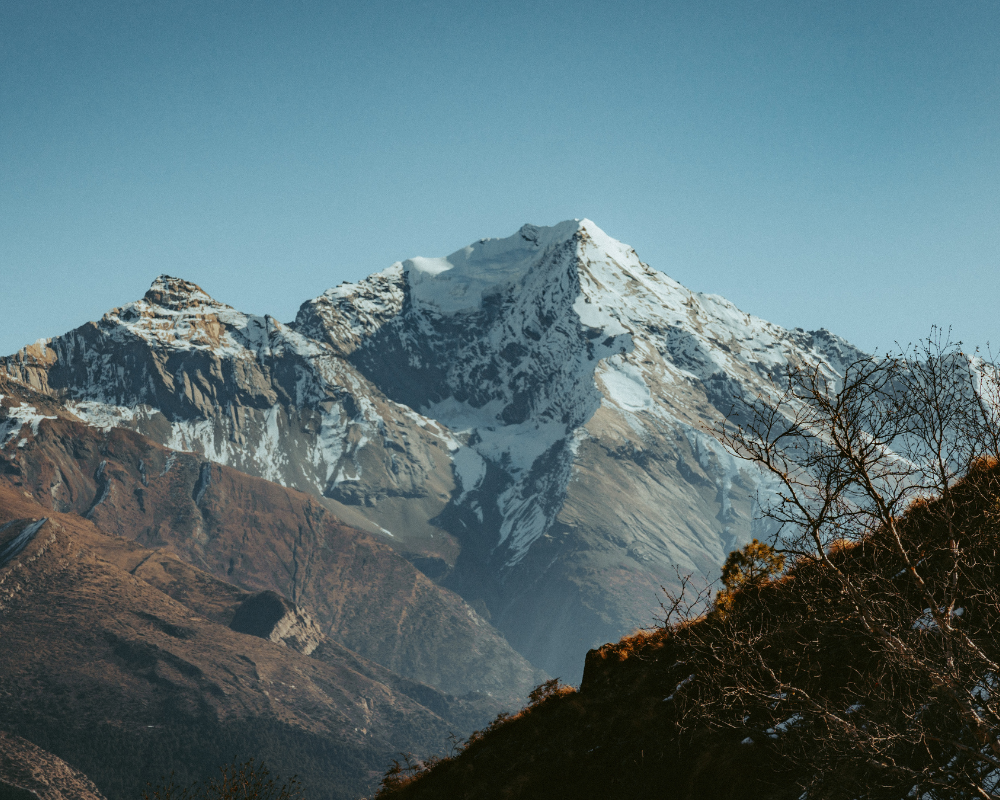
Complete Annapurna Circuit Trek Cost Breakdown
Accommodation
Teahouses are the backbone of the Annapurna Circuit, and their pricing follows a pattern most first-timers don't expect: the room itself is often nearly free, while everything else costs money.
At lower elevations (Besisahar to Chame), a basic private room with two beds runs around $3–8 a night. Many teahouses will only charge this if you're not also eating dinner and breakfast there if you commit to meals at the lodge, the room is sometimes free or heavily discounted. Shared or dormitory-style rooms are cheaper still, often $2–5.
Higher up, past Manang and toward Thorong La, rooms edge toward $8–15 a night because everything food, fuel, building materials has to be carried or muled in. Hot showers ($2–5), device charging ($1–3 per charge), and WiFi ($2–5 for a day pass) are usually separate line items, and they get pricier the higher you climb. Packing right for these swings in temperature and comfort matters too, our trekking equipment guide covers what to bring versus rent..
Food & Drinks
Expect to spend $25–40 per day on food and drinks, rising toward the upper end above Manang.
- Breakfast: porridge, eggs, or Tibetan bread, roughly $3–6
- Lunch and dinner: dal bhat (the trekker's staple, with free refills) at $5–9, or noodles, pasta, and momos in a similar range
- Tea and coffee: $1.50–3 per cup
- Soft drinks and snacks: $2–5
- Bottled water: $1–4, climbing with altitude
- Filtered or boiled water: often available at lodges for $0.50–1.50, and far kinder to both your wallet and the mountain's plastic problem
Dal bhat remains the best value on the trail: it's filling, comes with unlimited seconds, and is usually the cheapest hot meal on the menu at any given teahouse.
Transportation
Most trekkers start with a bus or jeep from Kathmandu to Besisahar (roughly 6–7 hours by local bus, $8–12, or 5–6 hours by private jeep, $150–200 for the vehicle). Some itineraries continue by local jeep from Besisahar toward Syange or Jagat to shave a day off the walking schedule.
At the end of the trek, most routes finish near Muktinath or Jomsom, from where trekkers take a jeep back to Pokhara (around 6–8 hours, $15–25 by shared jeep) or, less commonly, a short domestic flight from Jomsom to Pokhara if the weather cooperates and the budget allows ($100–150). From Pokhara, a tourist bus or flight back to Kathmandu wraps up the loop.
Permits
Every foreign trekker needs the Annapurna Conservation Area Permit (ACAP), which costs NPR 3,000 (about $25) and is checked at multiple points along the route, including Besisahar, Chame, and Manang. This is the one permit that is consistently and strictly enforced on the ground.
The TIMS card has a murkier status. It was technically discontinued for several routes a few years back, but requirements have shifted since, and some operators still issue or reference it, particularly for group treks. Because policy on this point has changed more than once, it's worth confirming directly with a licensed agency or the Nepal Tourism Board shortly before you travel rather than relying on any single source, including this one.
Since 2023, Nepal has also required foreign trekkers to hire a licensed guide from a registered agency for this route independent, unguided trekking is no longer legally permitted here. Permits are issued in Kathmandu or Pokhara before you head to Besisahar; there's no facility to buy them on the trail, so this isn't something to leave until the last minute.
Guide
Licensed guides typically charge $25–35 a day, which usually covers their own food, accommodation, and insurance when booked through a reputable agency. Over a 14–18 day trek, that puts guide costs at roughly $350–630.
A good guide is worth more than the line item suggests. Beyond route-finding, guides are trained to recognize early symptoms of altitude sickness, coordinate emergency evacuation if something goes wrong, negotiate teahouse rates, and explain the Gurung and Manangi culture you're walking through context that's easy to miss trekking blind.
Porter
Porters run $20–25 a day, or $18–40 for a combined porter-guide role. A single porter typically carries up to 20–25kg, which is usually enough for two trekkers sharing the load.
Recommended luggage weight per trekker is around 10–15kg if you're using a porter, keeping their load manageable and safe. Tipping is customary and separate from the daily rate more on that below.
Equipment Rental
Kathmandu and Pokhara both have well-stocked rental shops for:
- Sleeping bag (rated for sub-zero nights): $1–3/day
- Down jacket: $1–2/day
- Trekking poles: $0.50–1/day per pole
- Duffel bag: $1–2/day
- Microspikes (seasonal, for icy sections near Thorong La): $1–2/day
Unless you already own gear you'll reuse on future trips, renting is almost always the better call a week of rental for a full kit typically runs $20–40, a fraction of buying everything new.
Travel Insurance
This is not a place to cut corners. Standard travel insurance frequently excludes trekking above 2,000–3,000 metres, and the Annapurna Circuit crosses Thorong La Pass at 5,416m. You need a policy that explicitly covers high-altitude trekking and emergency helicopter evacuation. Our complete travel insurance guide for trekking in Nepal breaks down exactly what to look for in a policy.
Comprehensive coverage costs roughly $80–200 for a two-to-three week trip. Without it, a helicopter rescue from altitude can run $3,000–7,000 out of pocket a gap that makes the insurance premium look small by comparison.
Miscellaneous Expenses
Budget an extra $5–15 a day for the small stuff:
- Laundry: $1–3 per load (or wash your own most teahouses allow it)
- Phone charging: $1–3 per charge
- WiFi: $2–5/day
- SIM card: $5–10 for a Nepali tourist SIM with data
- ATM withdrawal fees: $3–6 per transaction, and ATMs disappear once you're past Chame or Manang, so plan cash accordingly
- Emergency cash buffer: $50–100
- Tips: covered in detail below
Hidden Costs Most Trekkers Forget
These are the line items that don't show up on a package quote but quietly add $150–300 to a trip:
- Bottled water at high altitude, where a single bottle can cost $3–4
- Charging electronics, which adds up daily once you're past 3,000m
- Hot showers, sometimes solar-heated and free, sometimes a paid extra
- Extra snacks and chocolate bars, priced for scarcity the higher you go
- Weather delays, which can mean an unplanned extra night in Manang if a flight or pass closes
- Tipping guides and porters, expected but never included in a package price
- Souvenirs in Thamel or Pokhara on the way home
- Extra accommodation nights in Kathmandu or Pokhara before or after the trek
- ATM withdrawal fees, which stack up if you're pulling cash multiple times
A reasonable rule of thumb: whatever your itemized budget says, add 15–20% as a buffer for these extras.
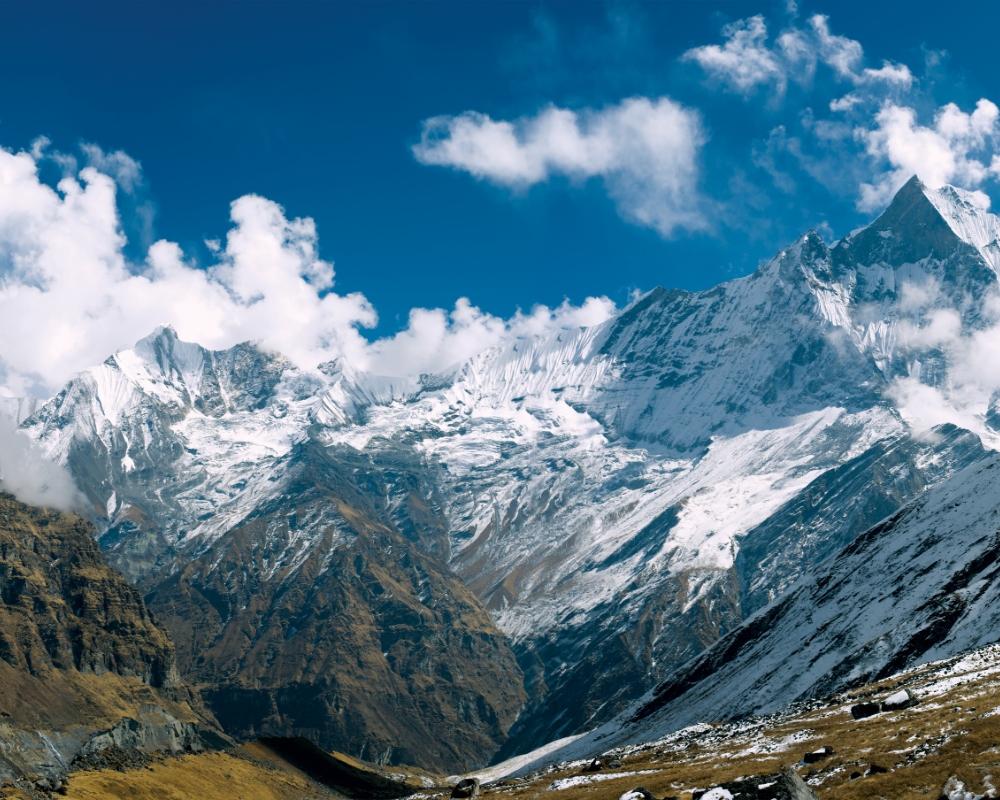
Why Do Annapurna Circuit Trek Prices Vary So Much?
Several factors stack on top of each other to create the wide range in quoted prices:
- Group size: a shared group trek splits guide and transport costs across more people; a private trek doesn't
- Private vs. group: private trips cost more per person but offer more flexibility on pace and rest days
- Accommodation standard: basic teahouse dorms versus the best available private rooms at each stop
- Meals included: some packages cover all meals, others leave food as an out-of-pocket expense
- Transportation: local shared jeep versus private vehicle for the Kathmandu–Besisahar and Jomsom–Pokhara legs
- Guide quality and experience: a newly licensed guide charges less than a senior guide with years on this specific route
- Season: spring and autumn (peak trekking seasons) run 15–25% higher than winter or monsoon due to demand
- Company reputation: established operators with fair wages, insurance, and vetted teahouse partners tend to price higher than budget operators cutting corners on staff welfare
- Safety standards: proper insurance, satellite communication on remote stretches, and emergency coordination all cost money, and it shows in the price
What Should Be Included in an Annapurna Circuit Trek Package
A well-built package should cover the parts of the trip that are hardest to arrange yourself and most consequential if something goes wrong: your ACAP permit, a licensed and experienced guide, porter support, teahouse accommodation for the duration of the trek, ground transport between Kathmandu, Besisahar, and Pokhara, and airport or hotel pickup.
Each of these matters for a different reason. The permit keeps you legal at every checkpoint. The guide is your safety net for altitude sickness and route decisions above 4,000m. The porter means you're not carrying a full pack over Thorong La. And having transport and accommodation pre-arranged removes the guesswork of booking teahouses in peak season, when the good rooms in Manang and Muktinath fill up fast.
What a package usually doesn't cover meals in Kathmandu, personal gear, insurance, and tips is worth checking line by line before you book, since "all-inclusive" means different things to different operators. You can read more about how we structure our trips on our About Us page.
What Is Not Included?
Even the most comprehensive packages typically leave out:
- Personal expenses on the trail (snacks, bottled water, extra drinks)
- Travel insurance, which you arrange separately
- Tips for your guide and porter
- Alcohol, sold at inflated prices the higher you go
- Laundry
- Device charging and WiFi
- Equipment rental
- Personal shopping in Kathmandu or Pokhara
Assume anything that's a personal choice rather than a shared trek requirement sits outside the package.
How to Reduce Your Trekking Costs
None of these compromise safety they just cut the fat:
- Travel in a group. Splitting a guide, porter, and jeep across three or four people is the single biggest lever on cost per person.
- Rent gear instead of buying it, especially for one-off items like a down jacket or sleeping bag you won't use again soon.
- Carry a reusable, filterable water bottle. Bottled water at altitude adds up fast, and it's also a lot of plastic to carry back out.
- Avoid unnecessary purchases on the trail chocolate bars and imported snacks are priced for convenience, not value.
- Book with a local operator who prices fairly and pays staff properly, rather than the cheapest quote you can find, which usually means someone downstream is being underpaid.
- Carry enough cash before you leave Besisahar or Chame. ATMs thin out fast once you're above mid-altitude, and running short mid-trek is a bad problem to have.
- Trek in shoulder season (late spring or early autumn edges, or winter for the experienced) when demand and prices drop.
Is the Annapurna Circuit Worth the Cost?
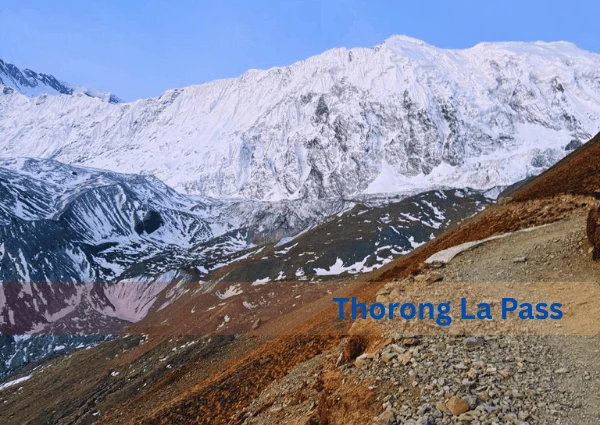
For most people, yes. Few treks anywhere pack in this much variety per dollar spent: subtropical forest at the base, terraced farmland and Gurung villages through the mid-hills, high desert and Tibetan-influenced culture around Manang and Muktinath, and the raw, thin-air drama of crossing Thorong La at 5,416m.
Along the way you're staying in family-run teahouses rather than tents, eating hot dal bhat instead of freeze-dried meals, and passing through a living cultural landscape rather than a purely wilderness route. Wildlife sightings blue sheep, occasionally snow leopard tracks at altitude are a bonus rather than the main draw.
Compared to similar high-altitude treks in the Alps, Patagonia, or New Zealand, where a comparable multi-day guided trip with lodging can run three to four times as much, the Annapurna Circuit remains genuinely good value even at the upper end of its price range.
Annapurna Circuit Cost vs Other Popular Treks
| Average Cost | Difficulty | Duration | Permits Required | Accommodation | Experience | |
| Annapurna Circuit | $1,025 | Moderate–Challenging | 16 days | ACAP | Teahouse | High pass, cultural diversity, varied landscapes | |
| Everest Base Camp | $1,300 | Challenging | 15 days | Sagarmatha National Park Permit, Khumbu Rural Municipality Permit | Teahouse | Iconic Himalayan views, higher cost due to Lukla flights | |
| Manaslu Circuit | from $830 | Challenging | 17 days | MCAP + Restricted Area Permit | Teahouse | Remote, fewer crowds, restricted-area permit adds cost | |
| Langtang Valley | from $650 | Moderate | 8 days | Langtang National Park Permit | Teahouse | Shorter, closer to Kathmandu, gentler introduction to teahouse trekking |
The Annapurna Circuit sits in the middle of this group longer and pricier than Langtang, but without the restricted-area permit costs of Manaslu or the flight dependency that pushes up Everest Base Camp pricing.
Frequently Asked Questions
- How much money should I carry on the Annapurna Circuit? Beyond what your package covers, carry $15–25 in cash per day for food, drinks, showers, charging, and snacks, plus a $100–150 buffer for emergencies or delays. ATMs become unreliable past Chame, so withdraw what you need in Kathmandu or Pokhara before you start.
- Can I pay by card on the trail? No. Teahouses, shops, and local transport on the Annapurna Circuit run on cash, Nepali rupees specifically. Card payments are essentially nonexistent once you leave Besisahar.
- Do I need a guide for the Annapurna Circuit? Yes. Since 2023, Nepali regulations require foreign trekkers to hire a licensed guide from a registered agency for this route. Independent, unguided trekking is no longer permitted here.
- Are permits included in trekking packages? Most reputable packages include the ACAP permit in the price, arranged by the agency before you start. Always confirm this explicitly rather than assuming some budget quotes exclude it to look cheaper on paper.
- Can I rent trekking equipment in Kathmandu or Pokhara? Yes, both cities have well-established rental shops for sleeping bags, down jackets, trekking poles, duffel bags, and seasonal gear like microspikes. Renting is almost always cheaper than buying for a one-time trek.
- How much cash should I bring for the whole trip, including Kathmandu and Pokhara? Budget an extra $30–60 a day for city stays on top of your trekking budget, covering hotels, food, and any last-minute gear purchases.
- Does the trek cost change by season? Yes. Spring (March–May) and autumn (September–November) are peak season, with prices running 15–25% higher than winter or monsoon due to demand for guides, porters, and teahouse rooms.
Final Thoughts
The Annapurna Circuit delivers an unusual amount of landscape, culture, and genuine mountain adventure for the money, whether you're trekking on a tight budget or booking a fully private trip. The key to a stress-free experience is budgeting honestly from the start permits, staffing, food, and the smaller extras that add up on the trail rather than being surprised by them at 4,000 metres.
Ready to book? View our Annapurna Circuit Trek packages from US$1,025.
If you'd like to avoid organizing permits, transport, accommodation, and logistics yourself, Outshine Adventure takes care of every detail, our Annapurna Circuit Trek package includes everything needed for a safe and enjoyable adventure. You can also browse our full range of Nepal trekking packages, including the Manaslu Circuit Trek and Everest Base Camp Trek, or Contact us if you'd like help choosing the right itinerary and departure date for your plans.
-(1280-x-720-px)-(6-x-4-cm)-(1000-x-800-px)-(1920-x-650-px)-(1000-x-800-px).webp)