-(1280-x-720-px)-(6-x-4-cm)-(1000-x-800-px)-(1920-x-650-px)-(convert.io).webp)
Manaslu vs Annapurna Circuit is a common dilemma for trekkers planning a Nepal adventure in 2026/2027. Both routes circle massive Himalayan ranges, offer high passes, and provide deep cultural immersion in Gurung, Magar, and Tibetan-influenced villages. Yet they deliver noticeably different experiences in terms of crowds, remoteness, infrastructure, and logistics. This guide breaks down the real differences based on current trek details to help you decide which fits your 2026/2027 plans.
Whether you prioritize solitude on a restricted-area trek or value easier access and more developed teahouses, understanding the trade-offs matters. You will learn specifics on duration, cost, difficulty, scenery, permits, and daily realities from someone who has advised many trekkers facing this exact choice.
Manaslu vs Annapurna Circuit at a Glance
Factor | Manaslu Circuit Trek | Annapurna Circuit Trek |
Duration | 17 days | 16 days |
Starting Price | Price varies by group size — solo from US$995, groups from US$830. | Price varies by group size — solo from US$1195, groups from US$1025. |
Maximum Altitude | 5,160m (Larkya La Pass) | 5,416m (Thorong La Pass) |
Difficulty | Moderate to strenuous | Moderate to strenuous |
Crowds | Low to moderate | Moderate to high (especially peak seasons) |
Accommodation | Basic teahouses, fewer options | More developed teahouses, wider variety |
Permits Required | Restricted area permit, ACAP, TIMS | ACAP, TIMS |
Best Season | March-May, September-November | March-May, September-November |
Accessibility | Drive to Machha Khola, longer rough roads | Drive to Besisahar, improved road access |
Manaslu Circuit Trek vs Annapurna Circuit Trek:
1) Overview
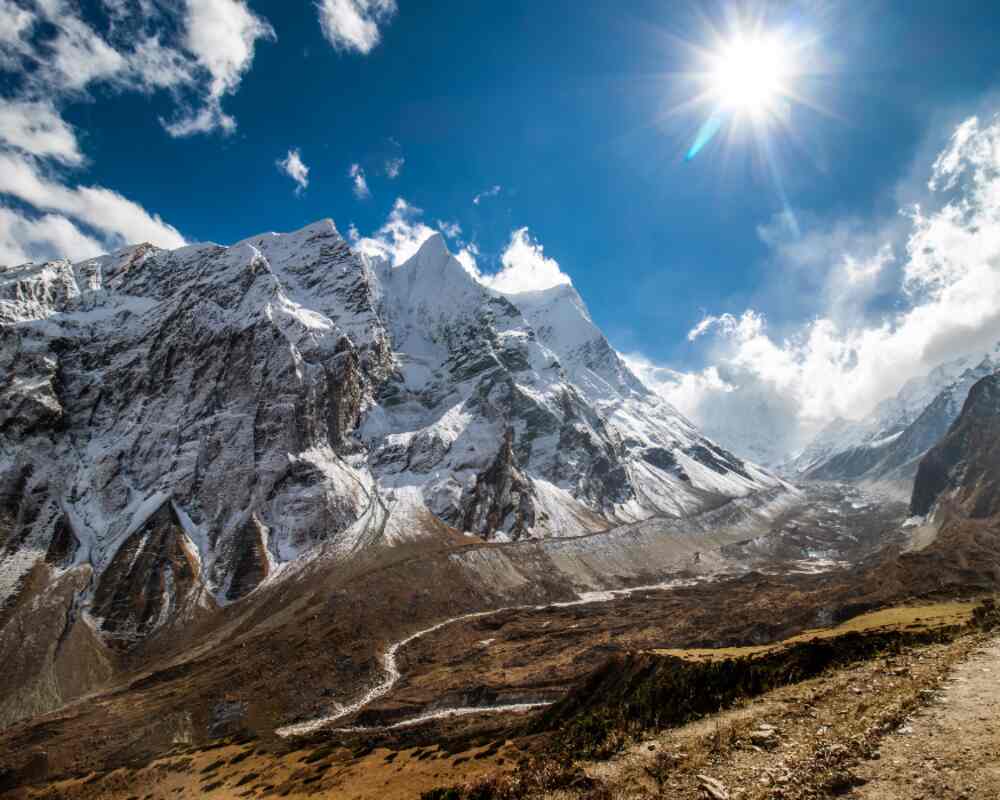
The Manaslu Circuit Trek is a remote Himalayan journey that circles Mount Manaslu (8,163 m), the world’s eighth-highest peak. It follows the Budhi Gandaki Valley through lush subtropical forests, terraced fields, and traditional Gurung and Tibetan-influenced villages before ascending to high alpine terrain and crossing Larke La Pass at 5,160 m. The trek emphasizes unspoiled landscapes, authentic culture, and limited commercial development, making it ideal for those seeking a quieter, more immersive experience in a restricted area.
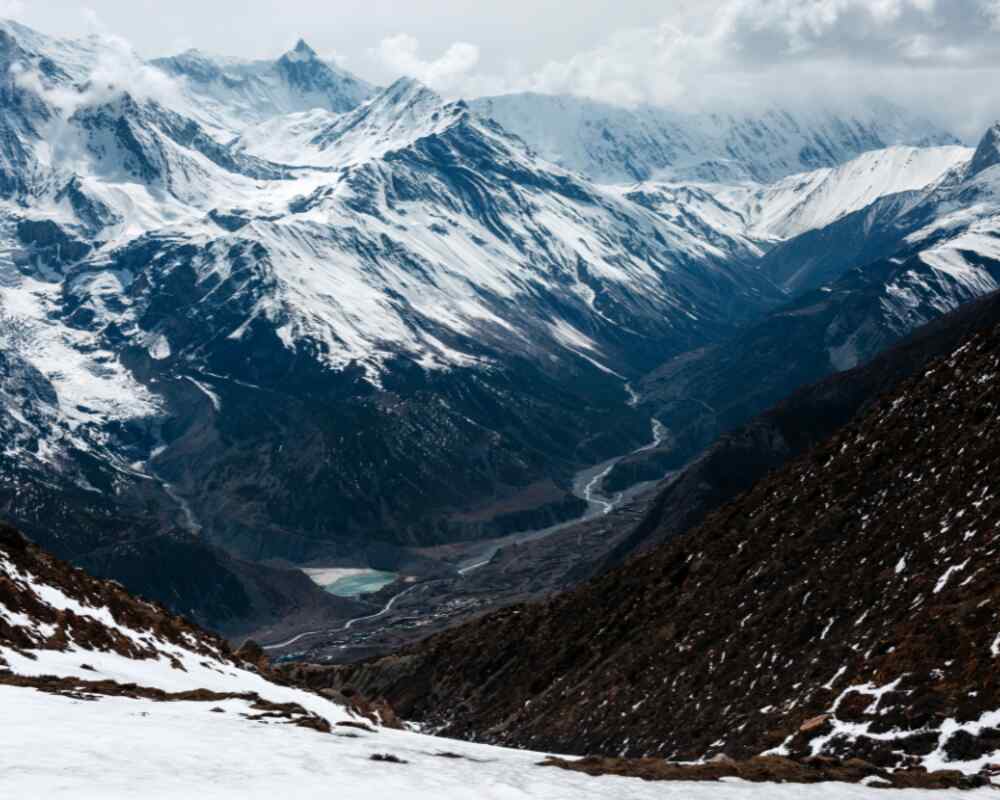
The Annapurna Circuit Trek is one of Nepal’s most iconic long-distance routes, encircling the Annapurna massif and crossing Thorong La Pass at 5,416 m. It offers exceptional landscape diversity from subtropical valleys and deep gorges (including the Kali Gandaki) to arid high deserts and alpine meadows. Trekkers pass through varied ethnic communities such as Gurung, Thakali, and Tibetan-influenced groups, with strong infrastructure including teahouses and villages like Manang and Muktinath. This established trail provides a balanced mix of adventure, culture, and accessibility.
2) Crowds and Trail Atmosphere
The Manaslu Circuit Trek sees significantly fewer trekkers than the Annapurna route. Restricted area rules limit group sizes and require registered guides, which naturally caps daily foot traffic. On Manaslu you often walk hours without seeing other groups, especially outside October and April. Teahouses feel intimate, with shared dining areas fostering genuine conversations among a handful of trekkers from different countries.
The Annapurna Circuit Trek remains one of Nepal’s most popular long-distance routes. Even with new road sections shortening some days, the classic path still attracts steady traffic. During peak seasons you may share trails with dozens of other hikers, particularly around Thorong La and popular stops like Manang or Marpha. This creates more social opportunities & easy to join impromptu card games or group dinners but reduces the sense of wilderness.
If you crave quiet mornings with only the sound of the river and your boots, Manaslu delivers that more consistently. Annapurna offers a livelier trail atmosphere where you can easily meet people and share the journey. Neither is inherently better; it depends on whether you want solitude or camaraderie.
3) Cost Comparison
Package prices for both treks fall in a similar range, but the real budget picture differs when you factor in all elements.
| Cost Factor | Manaslu Circuit Trek | Annapurna Circuit Trek |
| Guided Package | US$830–995 | US$1,195–2,000 |
| Restricted Area Permit | US$100 (first 7 days Sep–Nov) + US$15/day thereafter, or US$75 (first 7 days Dec–Aug) + US$10/day thereafter | Not required |
| Conservation Permit | MCAP: ~US$25–30 ACAP: ~US$25 | ACAP: ~US$25 |
| TIMS Card | Included / ~US$20 | ~US$15–20 |
| Total Trip Estimate | US$1,500–2,800 | US$1,200–2,000 |
| Best For | Remote, authentic Himalayan experience and better value | Diverse scenery, easier logistics, and better trekking facilities |
Money-Saving Tips
- Join a group of 7+ for lower per-person rates.
- Book early for 2026/2027 departures.
- Share porters and stick to standard teahouses.
- Rent gear in Kathmandu instead of buying.
- Limit extras like hot showers or bottled drinks.
Overall, the Manaslu Circuit Trek Cost generally offers better value for small groups with its lower guided package price of US$830–995. While it has higher permit costs due to the restricted area, the total trip expense often remains competitive. The Annapurna Circuit Trek Cost provides the required services starting from US$1,200–2,000, whereas packages with greater facilities at US$1,195 include more services like the Jomsom flight and better infrastructure, making it slightly more expensive but convenient. Choose Manaslu for remote authenticity on a tighter budget, or Annapurna for easier logistics and comfort. For a full cost breakdown covering permits, guides, food, and lodging, read our Annapurna Circuit Trek Cost 2026/2027 guide.
4) Scenery and Cultural Experience
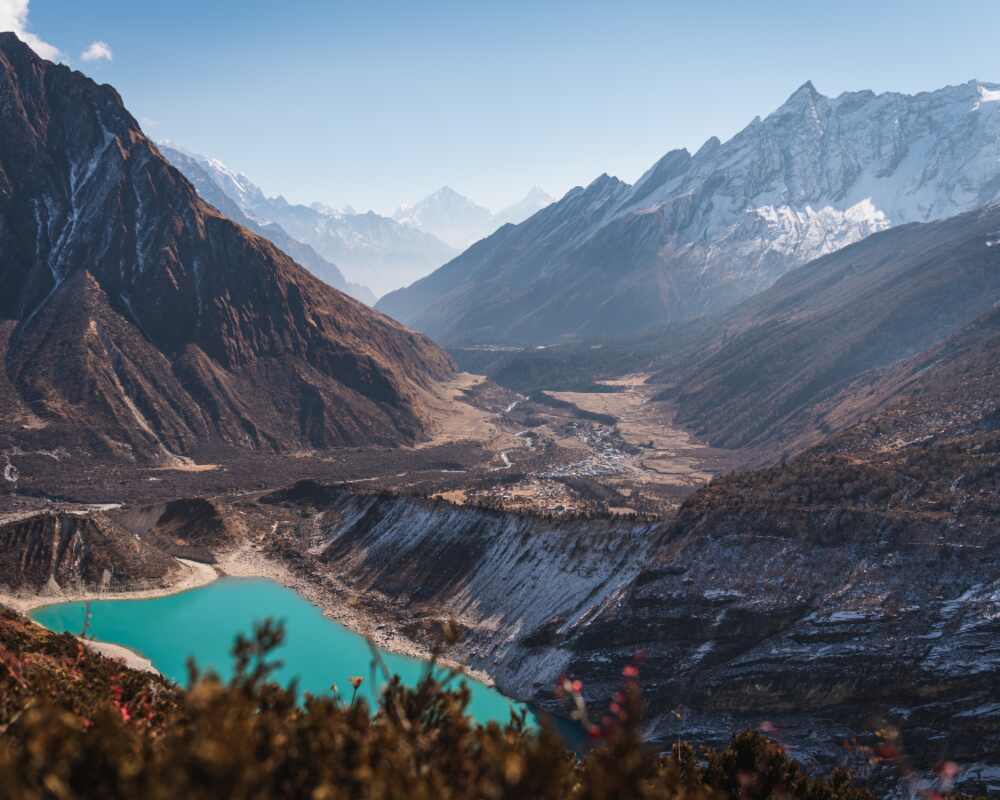
Manaslu showcases dramatic changes from subtropical forests near Machha Khola to arid high plateaus near the Tibetan border. The trail follows the Budhi Gandaki through narrow gorges before opening into wide valleys dominated by the Manaslu massif. Villages like Samagaon and Lho retain strong Tibetan Buddhist character, with ancient monasteries, mani walls, and traditional stone architecture. The cultural immersion feels deeper and less influenced by heavy tourism.
For the full permit-by-permit breakdown, see our Manaslu Circuit Trek Permit Cost 2026/2027 guide.
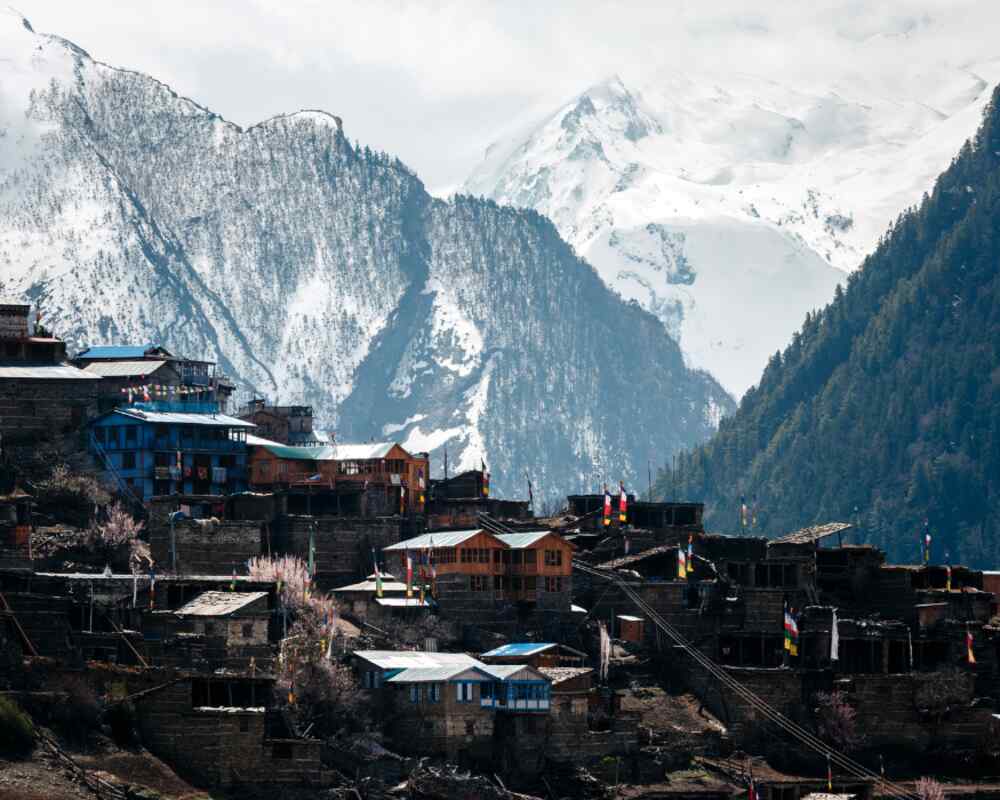
Annapurna delivers greater landscape variety. You move through lush rhododendron forests, rice terraces, apple orchards in Marpha, and the dramatic Kali Gandaki gorge. Thorong La provides vast panoramas, and sites like Muktinath add spiritual depth. Ethnic diversity stands out with Gurung, Thakali, and other communities offering varied hospitality and local specialties.
Both provide outstanding mountain vistas, but Manaslu feels more consistently wild and intimate. Annapurna gives a broader sampler of Himalayan ecosystems and cultures in one continuous loop.
5) Difficulty and Physical Demands
Both treks demand solid fitness, but they challenge you differently. The Manaslu Circuit Trek involves longer stretches of remote trail with fewer escape options. Daily hiking hours average 6–8, with some days pushing 9 when crossing Larkya La. The pass itself sits at 5,160m and often features steep, loose scree on the descent. Altitude gain is steady, but the final push to the pass can feel more committing because medical help lies farther away.
The Annapurna Circuit Trek also reaches higher at Thorong La (5,416m), but the approach tends to offer more gradual acclimatization options and more villages for rest days. Road access means you can shorten or adjust sections more easily if fatigue or weather hits. Many trekkers find the middle sections of Annapurna physically easier due to better infrastructure and shorter maximum daily distances on average.
Manaslu is not dramatically harder overall, but its greater remoteness raises the stakes. If you have previous high-altitude experience and enjoy self-reliance, Manaslu suits you. If you want a high pass with slightly more safety nets, Annapurna may feel more manageable. Both require cardiovascular fitness, leg strength for long descents, and mental resilience for cold mornings.
6) Permit Requirements and Logistics
Manaslu operates as a restricted area. You need a special permit (minimum group of two, though agencies can pair solo travelers), a licensed guide, and ACAP and TIMS cards. Planning takes more lead time, especially for 2026/2027 dates. The guide requirement adds security but reduces flexibility for independent walkers.
Annapurna requires only ACAP and TIMS permits. Guides are strongly recommended but not mandatory for most sections. You can arrange transport and teahouses with less paperwork. Road access to Besisahar is straightforward, and emergency evacuation options are better developed.
Manaslu demands more upfront coordination. Annapurna allows last-minute adjustments more readily. For 2026/2027, book Manaslu at least 3–4 months ahead during popular seasons.
7) Accommodation and Trail Infrastructure
Teahouses on the Manaslu Circuit Trek are basic but clean. Expect simple rooms with shared bathrooms, limited menus focused on dal bhat and noodle dishes, and intermittent electricity for charging. Hot showers often rely on solar or gas and may cost extra. Connectivity drops significantly past certain villages.
The Annapurna Circuit Trek offers more choice. Lower sections have lodges with attached bathrooms, Wi-Fi in some places, and varied food including pizza, pastries, and fresh produce. Higher up the standards converge, but overall comfort and services remain higher on average. Charging facilities and mobile signal are more reliable along much of the route.
Trekkers notice the difference in daily comfort. Manaslu requires more acceptance of simpler conditions; Annapurna provides more conveniences that reduce mental fatigue.
Manaslu vs Annapurna Circuit Packing List 2026/2027: Essential Gear Guide
Category | Essential Items | Manaslu Circuit Trek | Annapurna Circuit Trek |
Clothing | Base layers, pants, socks | 2–3 tops, 2 pants, 3–4 wool socks | Same; slightly fewer warm layers |
Outerwear | Fleece, down jacket, waterproof set | Extra warm layers | Standard layers |
Footwear | Boots + camp sandals | Critical | Same |
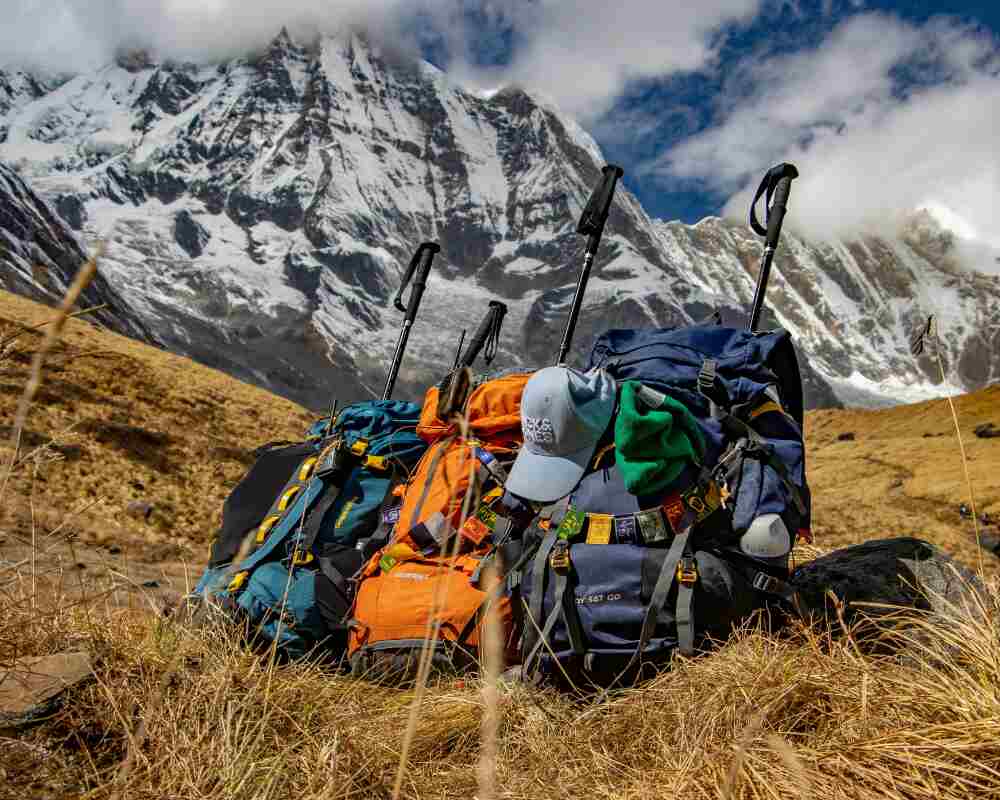
Accessories | Poles, headlamp, sunglasses, rain cover | Strongly recommended | Strongly recommended |
Safety & Hydration | 3L water, first-aid, insurance | Extra snacks & self-sufficiency | Extra snacks & self-sufficiency |
Miscellaneous | Power bank, sleeping bag liner, hat/gloves | More reliable power needed | Easier charging access |
The core gear is nearly identical for both the Manaslu Circuit Trek and Annapurna Circuit Trek. Manaslu requires slightly more warm layers and self-sufficiency due to remoteness, while Annapurna allows lighter packing thanks to better facilities. Rent heavy items in Kathmandu and keep your pack under 12–15 kg.
Which Trek Offers Better Value in 2026?
If your priority is value for money and a remote Himalayan experience, the Manaslu Circuit Trekoffers better value in 2026/2027. Although it has higher permit fees, the trek provides a more authentic adventure with fewer crowds, preserved Tibetan culture, and a true wilderness atmosphere that many trekkers feel is increasingly rare in Nepal.
On the other hand, the Annapurna Circuit Trek delivers excellent value through its well-developed infrastructure, diverse landscapes, and easier logistics. With better accommodation options, more transportation choices, and lower overall costs, it remains the ideal choice for trekkers seeking comfort, convenience, and a classic Himalayan trekking experience.
Ultimately, Manaslu offers better value for adventure seekers, while Annapurna offers better value for those prioritizing accessibility and facilities.See the full Manaslu Circuit Trek itinerary or detailed Annapurna Circuit Trek package for complete breakdowns.
Which Should You Choose?
Choose the Manaslu Circuit Trek if:
- You want fewer crowds.
- You prefer remote trekking.
- You enjoy stronger wilderness experiences.
- You are comfortable with more basic infrastructure.
Choose the Annapurna Circuit Trek if:
- You want more route flexibility.
- You prefer easier logistics.
- You enjoy more developed trekking facilities.
- You want a broader range of accommodation and services.
Conclusion
The main trade-off in Manaslu Circuit Trek vs Annapurna Circuit Trek comes down to remoteness versus convenience. Manaslu rewards you with solitude, authentic village life, and a stronger sense of exploration at a competitive group price. Annapurna offers spectacular variety, easier planning, and more comforts along the way.
Consider your priorities for 2026/2027: tolerance for basic conditions, preference for crowds or quiet, and trekking experience. Review the latest group departures and full packages on both Outshine Adventure pages, match them to your fitness and style, then train steadily. Either route will create lasting Himalayan memories. Pack layers, pace yourself at altitude, and focus on steady progress. The mountains await.