-(1280-x-720-px)-(6-x-4-cm)-(1000-x-800-px)-(1920-x-650-px)-(1000-x-800-px)-(1920-x-800-px)-(1000-x-800-px)-(1920-x-800-px)-(1280-x-800-px)-(1000-x-800-px)-(1920-x-650-px)-(1000-(convert.io)-(7).webp)
There's a particular kind of heartbreak that only Nepal trekkers know. You've spent months planning, saved up the money, broken in your boots, and then you reach Poon Hill or Kala Patthar at dawn and find nothing but a wall of grey fog where Annapurna or Everest was supposed to be. Or worse: your flight to Lukla gets cancelled three days running because of low cloud cover, and your entire itinerary collapses like a badly pitched tent.
Timing isn't a small detail when you're trekking in Nepal. It's arguably the single biggest factor separating an unforgettable trip from a frustrating one. Nepal's weather isn't really governed by the calendar; it's governed by altitude and monsoon patterns that layer on top of the calendar, which is why the same date in March can mean shorts-and-t-shirt trekking at 1,500 meters and a blizzard at 5,000 meters.
That's exactly why choosing the right Nepal Trekking Packages starts long before you pick a trail. It starts with picking the right month. Get that right, and everything else (permits, gear, crowd levels, even your mood on summit day) tends to fall into place.
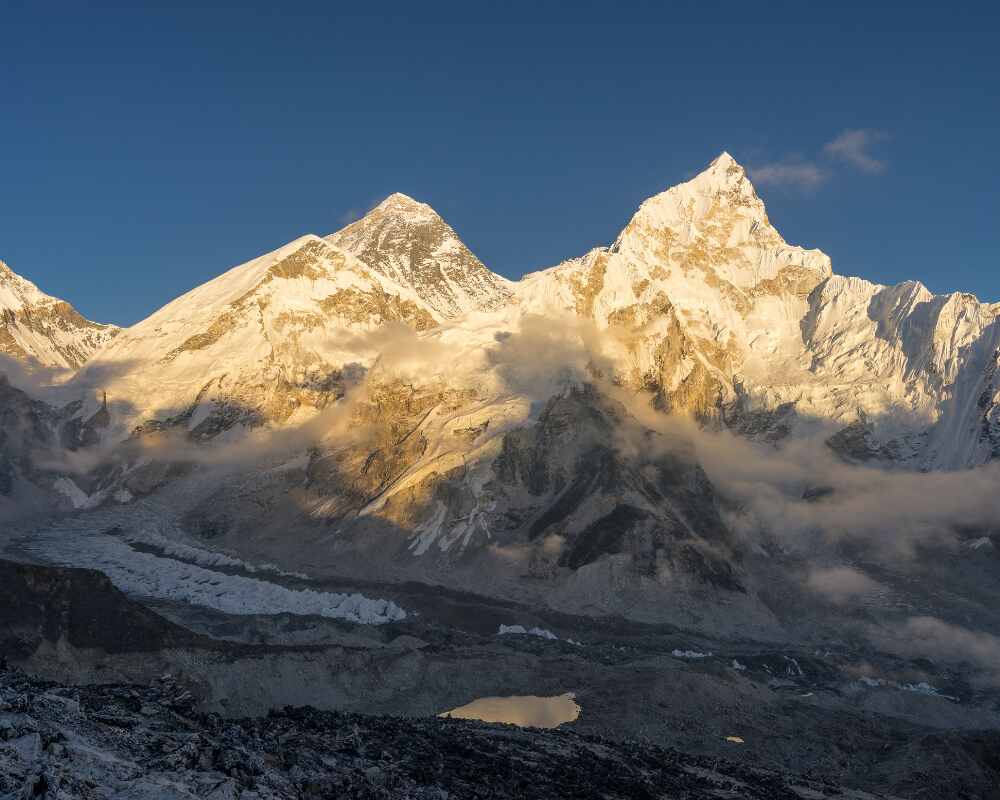
Quick Summary: Best Time to Trek in Nepal 2026/2027 at a Glance
Short on time? Here's the cheat sheet. Scan this table first, then dive into the details below for the nuance that actually affects your trip.
| Season | Months | Weather | Crowd Level | Best For | Quick Verdict |
|---|---|---|---|---|---|
| Spring | March–May | Mild, warming, occasional afternoon showers | High (peak in April–May) | Rhododendron blooms, high passes, Everest climbers' buzz | Excellent all-rounder |
| Monsoon | June–August | Hot, humid, heavy rain at lower altitude | Low | Upper Mustang, Dolpo (rain-shadow treks) | Niche but rewarding |
| Autumn | September–November | Clear, crisp, stable | Very High (peak in October) | Everest Base Camp, Annapurna Circuit, best mountain views | The gold standard |
| Winter | December–February | Cold, dry, clear skies at lower elevation | Low | Short/low-altitude treks, solitude seekers | Underrated, budget-friendly |
Want the full month-by-month breakdown? Keep reading below.
Why Timing Matters So Much for Trekking in Nepal
How Altitude Changes the Weather Game
First-timers rarely appreciate how much more altitude matters in Nepal. Altitude matters more than the season on the calendar. A trail at 1,400 meters in the Annapurna foothills can feel like a warm spring afternoon in April, while a pass at 5,400 meters on the same day feels like the dead of winter because, in a very real sense, it is. Temperature drops roughly 6–7°C for every 1,000 meters you climb, so a "mild" month at base camp can still mean sub-zero nights higher up.
Nepal's Geography and Its Effect on Trekking Conditions
Nepal squeezes eight of the world's fourteen 8,000-meter peaks into a country roughly the size of England, and that dramatic elevation gain over a short horizontal distance creates microclimates you simply don't see elsewhere. The Annapurna and Manaslu regions catch the brunt of monsoon moisture rolling up from the Bay of Bengal, while rain-shadow zones like Upper Mustang and Dolpo stay dry even when it's pouring just a ridge away. Knowing which side of the mountain you're on matters as much as knowing which month it is.
How Weather Impacts Flights, Permits, and Trail Safety
Mountain flights like Kathmandu to Lukla being the most notorious depend on clear morning visibility, and cloud buildup by mid-morning is routine even in good months. Monsoon season adds landslide risk on lower trails, especially around the Kathmandu–Besisahar road and sections of the Annapurna foothills. Winter, meanwhile, can close high passes like Thorong La or Larke La with snow, which is where permits and route planning start to matter just as much as your fitness level.
Understanding Nepal's Four Trekking Seasons
Spring (March–May): The Bloom Season
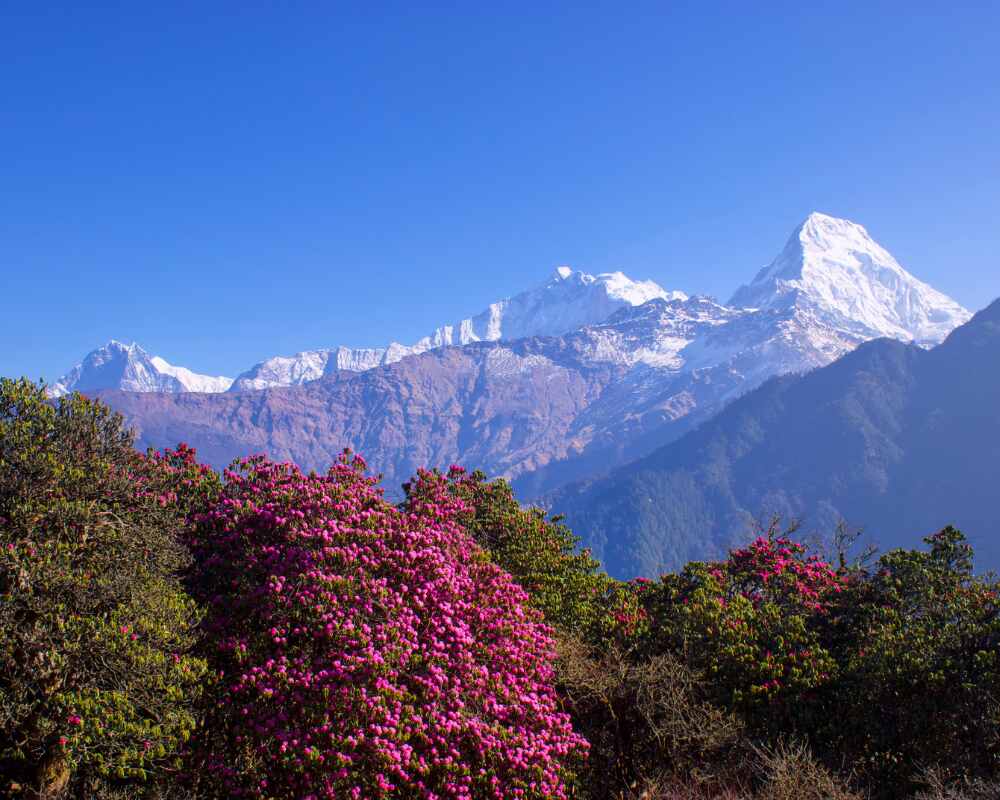
Spring trekking Nepal is when the hills genuinely come alive. Rhododendron forests erupt into red, pink, and white, and the whole country seems to shake off winter.
- Daytime temperatures at mid-altitude range comfortably from 15–20°C
- Nighttime temperatures at high camps can still dip below freezing in March
- Crowd levels rise steadily, peaking by late April and May
- Occasional afternoon cloud buildup, but mornings are usually clear
Summer/Monsoon (June–August): The Rainy Season
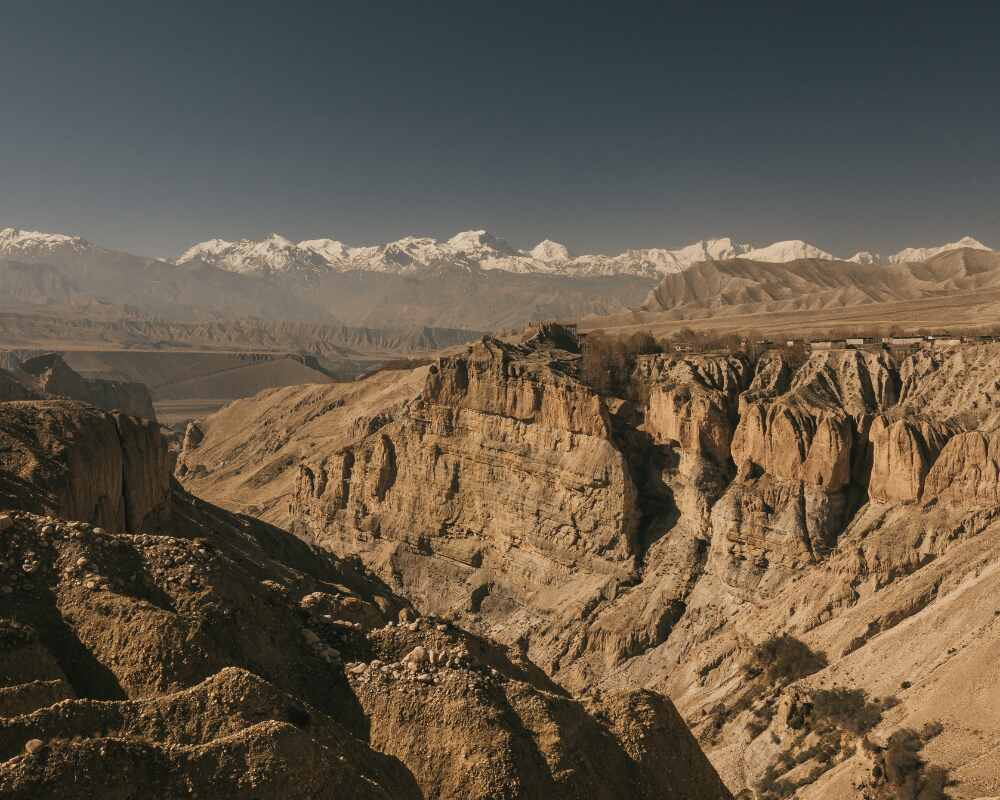
Monsoon trekking Nepal isn't for everyone, but it has a quiet, green appeal if you pick the right region.
- Daily rainfall is common, especially in the afternoon and evening
- Leeches and muddy trails are a real (if minor) nuisance below 3,000m
- Crowds thin out dramatically, trails and teahouses are yours to enjoy
- Rain-shadow regions like Upper Mustang and Dolpo stay largely dry
Autumn (September–November): Peak Trekking Season
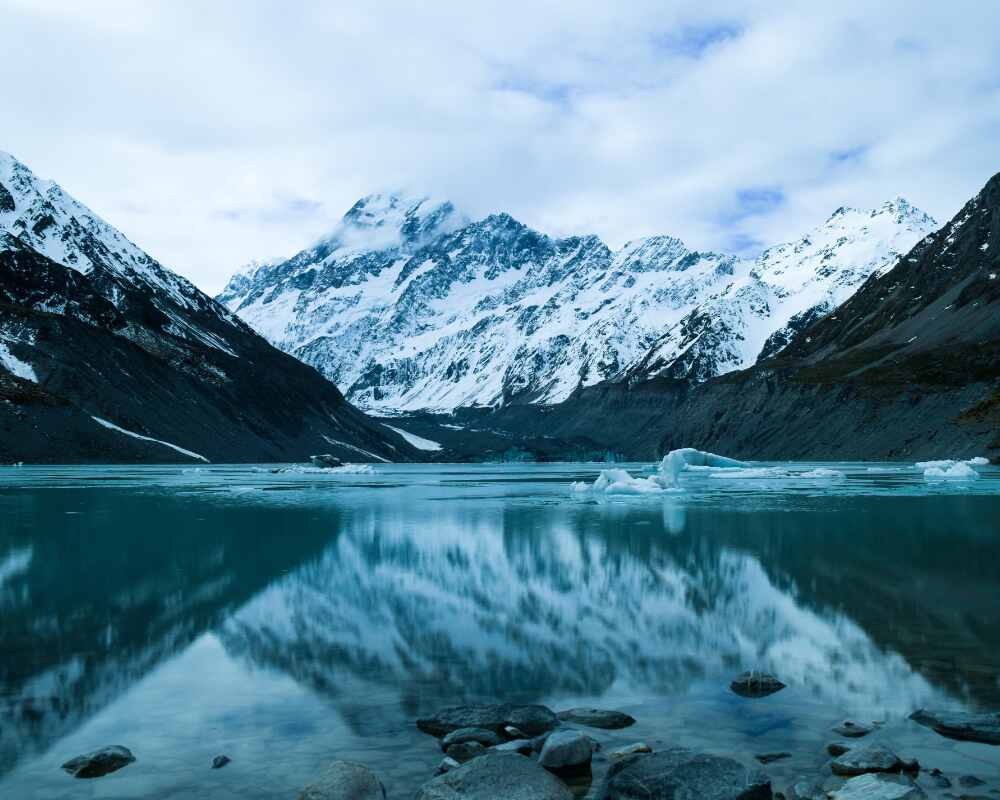
Autumn trekking Nepal is the season every seasoned guide will point you toward first, and for good reason: the monsoon has just washed the dust and haze out of the sky.
- Daytime temperatures sit in a comfortable 15–22°C range at mid-altitude
- Skies are consistently clear with excellent mountain visibility
- Crowds are at their highest, particularly on Everest Base Camp and Annapurna routes
- Festival season (Dashain, Tihar) adds cultural richness but also fewer porters/guides available around key dates
Winter (December–February): The Quiet, Cold Season
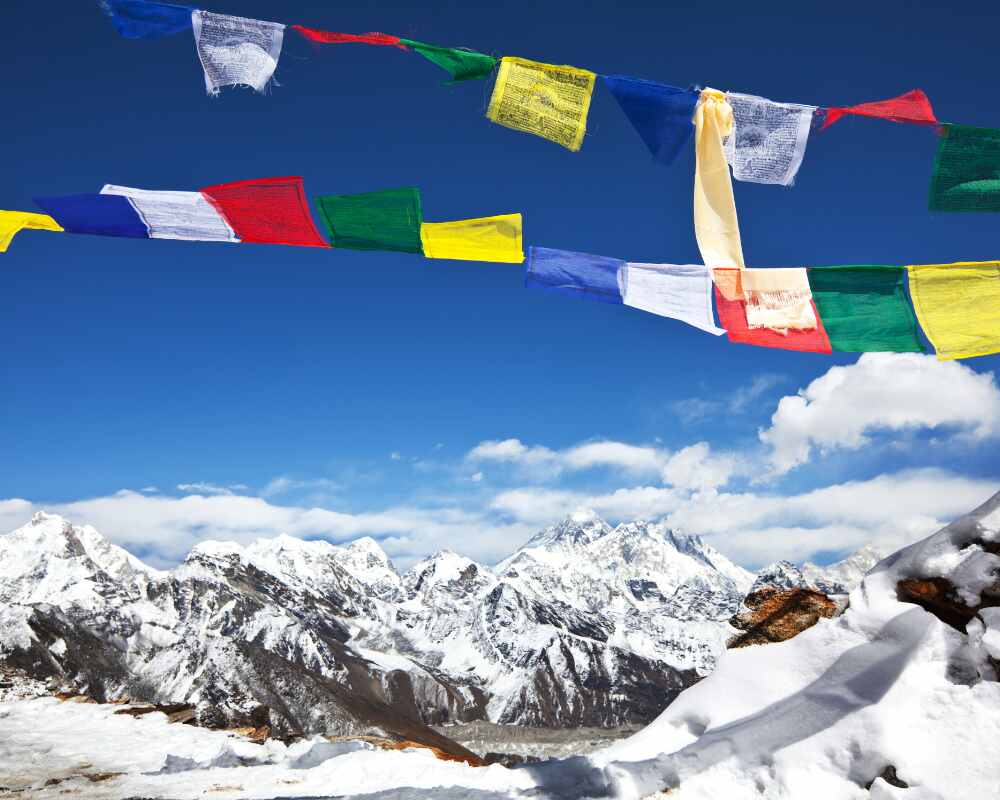
Winter trekking Nepal rewards those who don't mind cold mornings in exchange for empty trails and dramatically clear skies.
- Daytime temperatures at lower elevations remain pleasant, often 10–15°C in the sun
- Nights are genuinely cold, frequently well below freezing above 3,000m
- High passes may close entirely with snow (Thorong La, Larke La, Cho La)
- Crowds are minimal, some teahouses at higher elevations even close for the season
Best Time to Trek in Nepal 2026/2027: Month by Month Breakdown
January
January is winter trekking Nepal at its most honest cold, quiet, and clear. At lower elevations like Ghandruk or the Langtang foothills, daytime sun makes hiking genuinely pleasant, with temperatures often reaching 10–13°C. But push up toward Everest Base Camp or Annapurna Circuit's higher stretches and night temperatures regularly plunge to -15°C or colder, with fresh snowfall possible at any point above 4,000m.
Trail visibility is often superb precisely because the cold keeps haze and dust down, giving some of the sharpest mountain photography of the year. High passes like Thorong La can close temporarily after heavy snow, so shorter, lower-altitude treks are the smarter January bet unless you're an experienced high-altitude trekker with flexible dates. Teahouses on quieter routes may have limited stock, so pack a few extra snacks.
Best for: Short, low-altitude treks and trekkers who prize solitude over comfort.
February
February carries the same bones as January but with a subtle shift days are getting slightly longer and a touch warmer, though nights remain sharply cold. Everest Base Camp trek weather in February still means sub-zero nights at Gorak Shep and Lobuche, often -15°C to -20°C, so proper down gear isn't optional.
Snowfall is still a real possibility on high passes, and some teahouses at extreme altitude remain closed, particularly on Manaslu and around Cho La. That said, this is a genuinely underrated month for the Annapurna foothills and Poon Hill, where clear skies and thin crowds make for a peaceful, budget-friendly trip. Late February starts to hint at spring, with early rhododendron buds appearing at lower elevations.
Best for: Poon Hill, Ghorepani, and other lower-altitude treks before the spring crowds arrive.
March
March is where spring trekking Nepal properly begins, and it's one of the more exciting shoulder months on the calendar. Lower rhododendron forests start blooming early in the month, with the display intensifying as March progresses. Daytime temperatures climb into a comfortable 12–18°C range at mid-altitude, though early March nights above 4,000m can still dip below -10°C.
Trail conditions are generally excellent, though late-winter snow can still linger on higher passes early in the month. Crowds are noticeably thinner than April and May, making this a sweet spot for trekkers who want spring's beauty without spring's queues at teahouses. Everest Base Camp trek weather in March is transitional often clear mornings with building afternoon cloud, so early starts matter.
Best for: Early rhododendron blooms with fewer crowds than peak spring.
April
April is arguably peak spring and it shows. Rhododendron forests across the Annapurna and Langtang regions hit full, vivid bloom, turning entire hillsides red and pink. Daytime temperatures are genuinely pleasant, often 15–20°C at mid-altitude, while high-altitude nights remain cold but manageable with good gear.
This is also when Everest climbing expeditions set up base camp, adding a buzz of activity (and yaks, and gear caravans) to the Everest Base Camp trail that many trekkers find fascinating. Annapurna Circuit best month debates often land on April for its balance of clear skies and blooming scenery, though afternoon cloud buildup is common, so plan your best views for mornings. Booking ahead matters here teahouses fill up fast.
Best for: Rhododendron blooms and Everest Base Camp trek with expedition-season energy.
May
May keeps the momentum of April but adds heat and humidity as monsoon approaches, especially at lower elevations where daytime temperatures can climb past 25°C. Higher up, though, conditions remain excellent for trekking, with relatively stable weather through most of the month before the monsoon arrives in earnest toward the very end.
Late May is a classic window for summit pushes and high-altitude treks like Annapurna Circuit and Manaslu Circuit, since passes are typically clear of major snow by this point. Afternoon haze can reduce mountain visibility compared to autumn, so factor that into your photography expectations. Crowds remain high, tapering off gradually as the month closes and monsoon clouds start building.
Best for: High-altitude trek Nepal enthusiasts chasing clear passes before monsoon arrives.
June
June marks the real start of monsoon trekking Nepal, and the shift is noticeable almost immediately: humidity climbs, and afternoon downpours become a near-daily occurrence at lower and mid-altitudes. Morning trekking is still often clear, so an early start remains the best strategy for covering ground before clouds roll in.
Lower trails, particularly around Annapurna's foothills and Langtang, can turn muddy and leech-prone, which surprises trekkers who assumed monsoon meant "just rain." Rain-shadow regions like Upper Mustang, however, stay remarkably dry and are genuinely excellent in June, with far fewer crowds than peak season. This is a quieter, greener month for anyone willing to trade postcard-clear skies for solitude.
Best for: Upper Mustang and other rain-shadow treks away from the wettest regions.
July
July is the heart of monsoon, and it's the month that separates trekkers who've done their homework from those who haven't. Rainfall is consistent and often heavy in the afternoons and evenings, with lower-altitude trails experiencing the highest landslide risk of the year, particularly along roads and river-adjacent paths.
Visibility on classic routes like Everest Base Camp and Annapurna Circuit is frequently poor, with clouds obscuring peaks for much of the day. That said, Upper Mustang and Dolpo remain reliably dry rain-shadow escapes, and the lush, mist-wrapped scenery in monsoon-affected regions has its own quiet, almost mystical beauty if you're prepared for the conditions. Leech socks and quick-dry gear are essential here, not optional.
Best for: Dedicated rain-shadow trekking in Upper Mustang or Dolpo.
August
August continues monsoon's grip, though many trekkers notice slightly more variability some clear mornings mixed with the expected afternoon rain. Humidity remains high, and trail conditions at lower elevations stay muddy and leech-heavy, particularly after the frequent downpours.
Toward late August, there are often early signs of monsoon weakening, with occasional stretches of clearer weather teasing the approaching autumn season. Crowds remain at their lowest point of the year, and teahouse prices in popular regions are often at their most negotiable. If you're set on trekking in August, sticking to rain-shadow zones or lower-commitment treks with built-in weather buffer days is the smart move.
Best for: Budget-conscious trekkers comfortable with unpredictable weather.
September
September is the transitional month everyone's waiting for the moment monsoon clouds finally start clearing out and give way to the crisp skies autumn trekking Nepal is famous for. Early September can still carry lingering monsoon rain, but by mid-to-late month, trails dry out noticeably and mountain visibility improves week over week.
Temperatures are pleasant, generally 15–20°C at mid-altitude during the day, with comfortably cool (not brutal) nights at higher camps. This is also when Dashain preparations begin building across the country, adding cultural texture to lower villages. Crowds start increasing but remain manageable compared to the October rush making September a genuinely smart pick for trekkers who want autumn's clarity without autumn's crowds.
Best for: Catching autumn's clear skies just before the peak-season crowds arrive.
October
October is, without question, the most popular month to trek in Nepal and once you experience it, it's easy to understand why. Skies are reliably clear, and mountain views are at their sharpest all year of the year.
Everest Base Camp, Annapurna Circuit, and Annapurna Base Camp all see their heaviest foot traffic this month, so teahouses can fill up and flights to Lukla require booking well ahead. Dashain, Nepal's biggest festival, typically falls in this window, which means beautiful cultural immersion in villages but also occasional staffing shortages among guides and porters who head home to celebrate. If you can tolerate the crowds, October delivers the single best combination of weather and visibility of the entire year.
Best for: The clearest mountain views and the classic Everest/Annapurna experience.
November
November holds onto much of October's magic clear skies, stable weather, excellent visibility while crowds begin thinning noticeably, especially in the back half of the month. Daytime temperatures stay pleasant at mid-altitude, though nights grow progressively colder as the month wears on, particularly at higher camps where sub-zero temperatures become the norm.
Tihar, the festival of lights, typically falls in early November, adding a warm, glowing cultural layer to lower villages along popular routes. High passes remain open and generally safe to cross, though trekkers heading to Manaslu Circuit or Annapurna Circuit later in the month should watch weather forecasts closely as early snow becomes a slight possibility. Many experienced trekkers consider November the best-kept secret of autumn nearly October's weather, without October's queues.
Best for: October-quality views with noticeably smaller crowds by late month.
December
December marks winter's arrival, and the transformation from November is swift: nights turn sharply colder, and the first significant snowfall of the season often dusts higher passes. Daytime conditions at lower and mid-altitude remain pleasant and sunny, often reaching 10–15°C, making this a lovely month for shorter treks in the Annapurna foothills or Langtang region.
Higher up, though, expect real winter: temperatures at Everest Base Camp or Annapurna Circuit's high points can fall well below -10°C at night, and some teahouses at extreme altitude begin closing for the season. Losar preparations (Tibetan New Year) start building in Sherpa and Tibetan-influenced communities toward the month's end. December rewards trekkers who plan for cold and choose their altitude wisely. The trails are blissfully quiet.
Best for: Quiet, scenic lower-altitude treks with fewer crowds and crisp winter air.
Detailed Comparison Table: Nepal Trekking Conditions by Month
| Month | Avg. Temp (Day/Night) | Rainfall/Snow | Crowd Level | Best Treks | Overall Rating |
|---|---|---|---|---|---|
| January | 10–13°C / -15°C+ (high alt.) | Occasional snow at altitude | Low | Poon Hill, Ghandruk | 3.5/5 |
| February | 12–15°C / -12°C (high alt.) | Snow possible on passes | Low | Poon Hill, lower Langtang | 3.5/5 |
| March | 12–18°C / -10°C (high alt.) | Light, occasional | Medium | Annapurna foothills, Langtang | 4/5 |
| April | 15–20°C / -5°C (high alt.) | Occasional afternoon showers | High | Everest Base Camp, Annapurna Circuit | 4.5/5 |
| May | 18–25°C / -3°C (high alt.) | Increasing toward monsoon | High | Manaslu Circuit, Annapurna Circuit | 4/5 |
| June | 22–28°C (lower) | Heavy, daily afternoon rain | Low | Upper Mustang | 3/5 |
| July | 22–28°C (lower) | Heavy, persistent | Very Low | Upper Mustang, Dolpo | 2.5/5 |
| August | 22–27°C (lower) | Heavy, easing late-month | Very Low | Upper Mustang, Dolpo | 2.5/5 |
| September | 15–20°C / 2°C (high alt.) | Clearing, light residual | Medium | Langtang, lower EBC | 4/5 |
| October | 15–20°C / 0°C (high alt.) | Minimal, dry | Very High | Everest Base Camp, Annapurna Circuit | 5/5 |
| November | 12–18°C / -5°C (high alt.) | Minimal, dry | High | Annapurna Base Camp, Manaslu | 4.5/5 |
| December | 10–15°C / -10°C (high alt.) | Early season snow at altitude | Low | Ghorepani, Langtang foothills | 3.5/5 |
Best Season for Popular Nepal Treks
Everest Base Camp Trek
Everest Base Camp trek weather is at its most reliable in autumn and spring.
- October and November for the clearest skies and most stable flights to Lukla
- March through May for rhododendron blooms and mild daytime temperatures
- Avoid July–August when clouds routinely obscure the peak views
Annapurna Circuit Trek
Annapurna Circuit best month debates usually settle on the shoulder points of the peak seasons.
- October–November for stable weather and an open, snow-clear Thorong La
- April–May for blooming rhododendrons and reliably open passes
- Avoid December–February unless experienced with snow-closed high-pass risk
Annapurna Base Camp Trek
- October–November for crisp views of the Annapurna Sanctuary
- March–April for wildflowers along the lower forested sections
- June–August possible but expect regular rain and limited visibility at the sanctuary itself
Langtang Valley Trek
- October–November for clear views of Langtang Lirung
- March–May for rhododendron-lined trails and moderate crowds
- December–February works well too, since Langtang sits at manageable elevation
Manaslu Circuit Trek
- September–November, with October the clear favorite for a safely passable Larke La
- April–May as a strong secondary option before monsoon
- Avoid monsoon and deep winter months due to landslide and snow-closure risk on the pass
Upper Mustang Trek
- June–August, precisely because Mustang sits in a rain shadow and stays dry through monsoon
- Also excellent in autumn and spring for anyone combining it with another route
- Winter is workable but cold and windy, with fewer teahouse services open
Gokyo Lakes Trek
- October–November for the clearest reflections of the peaks in the turquoise lakes
- April–May for pleasant temperatures and blooming rhododendrons at lower elevations
- Avoid monsoon months, when cloud cover regularly hides the lakes' famous mountain backdrop
Trekking by Difficulty Level and Season
Beginner-Friendly Treks
- October–November and March–April offer the most forgiving combination of mild weather and manageable trail conditions
- Lower-altitude routes like Poon Hill and Ghandruk stay accessible nearly year-round
- Avoid deep winter and peak monsoon for a first trek, since both add layers of difficulty beginners don't need
Moderate Treks
- September through November and April through May suit treks like Annapurna Base Camp and Langtang Valley well
- Trail conditions are typically dry and stable, without the extreme cold of deep winter
- Watch shoulder-month weather forecasts closely, since conditions can shift quickly at moderate altitude
Challenging High-Altitude Treks
- October and November are prime for high altitude trek Nepal routes like Everest Base Camp, Manaslu, and Annapurna Circuit
- Snow-blocked passes are the biggest winter risk, Thorong La and Larke La can close entirely from December through February
- Monsoon muddies lower trail sections and reduces visibility right when acclimatization views matter most
Should You Trek in the Off-Season?
Pros of Monsoon Trekking
- Dramatically fewer trekkers on the trail and in teahouses
- Lush, vividly green landscapes you won't see any other time of year
- Lower teahouse and package rates due to reduced demand
- Rain-shadow regions like Upper Mustang offer near-ideal conditions
Cons of Monsoon Trekking
- Frequent, sometimes daily rainfall obscuring mountain views
- Higher landslide and trail-washout risk on lower routes
- Leeches on forested lower-altitude trails
- Reduced flight reliability due to poor visibility
Pros of Winter Trekking
- Exceptionally clear, haze-free skies for photography
- Near-empty trails and teahouses, plus better negotiating power on rates
- Crisp, dry air with minimal precipitation at lower elevations
- A genuinely peaceful, contemplative trekking experience
Cons of Winter Trekking
- Severe cold at night, especially above 3,500m
- High passes can close entirely after snowfall
- Some high-altitude teahouses shut down for the season
- Shorter daylight hours limit daily trekking distance
Festivals and Cultural Events That Affect Trekking Timing
Dashain and Tihar (Autumn)
Dashain, Nepal's biggest festival, and Tihar, the festival of lights, both fall within the busy autumn trekking window. Many guides and porters travel home to celebrate with family, which can occasionally affect staffing availability, while villages along the trail come alive with decorations, rituals, and warmth that's genuinely special to witness.
Losar (Winter/Spring, Tibetan New Year)
Losar, celebrated by Sherpa and Tibetan-influenced communities in high-altitude regions like Everest and Upper Mustang, typically falls between late winter and early spring depending on the lunar calendar. Trekking through these regions during Losar means colorful monastery ceremonies and lively village celebrations, though some services may pause briefly for festivities.
Holi (Spring)
Holi, the festival of colors, usually lands in March and brings a burst of joyful chaos to towns and cities along common trekking access routes. It's less relevant on remote high trails but worth knowing about if your itinerary starts or ends in Kathmandu or Pokhara around this time.
Tips for Choosing the Right Nepal Trekking Packages Based on Season
Booking Lead Times by Season
- Autumn (September–November): book Nepal Trekking Packages 2–3 months ahead, especially for October
- Spring (March–May): book 1–2 months ahead, particularly for Everest Base Camp
- Monsoon and winter: often bookable with just a few weeks' notice
Gear Checklist by Season
- Spring/Autumn: layered clothing, sun protection, a mid-weight sleeping bag
- Monsoon: waterproof jacket and pack cover, quick-dry clothing, leech socks
- Winter: heavyweight down jacket, insulated sleeping bag rated well below freezing, thermal base layers
Permit and Documentation Considerations
- Nepal trekking permits like TIMS and region-specific permits (ACAP, Sagarmatha National Park, restricted-area permits for Upper Mustang or Manaslu) don't change by season, but processing during peak months can take slightly longer
- Restricted-area permits for Upper Mustang and Dolpo require advance planning regardless of season
- Always check current permit fees and requirements before finalizing Nepal Trekking Packages, since rules are periodically updated
How to Build Flexibility Into Your Itinerary
- Add 1–2 buffer days around Lukla or other mountain flights, especially in shoulder seasons
- Avoid back-to-back tight connections if trekking during monsoon
- Choose trekking companies that build weather contingency days into their Nepal Trekking Packages by default
Common Mistakes Trekkers Make When Timing Their Trip
- Underestimating just how cold nights get at altitude, even in "warm" months like April or October
- Booking peak-season treks (especially October) without early reservations for flights and teahouses
- Ignoring landslide and trail-washout risk on lower monsoon routes
- Assuming a mild month at low altitude means the entire route will feel the same
- Overlooking festival dates that can affect guide and porter availability
- Packing summer-weight gear for high-altitude nights regardless of the calendar month
Frequently Asked Questions
What is the cheapest month to trek in Nepal?
Monsoon months (June–August) and deep winter (December–January) tend to offer the lowest rates on teahouses and Nepal Trekking Packages, simply because demand drops sharply. You'll trade some weather reliability for real savings and much quieter trails.
Can beginners trek in Nepal during winter?
Yes, especially on lower-altitude routes like Poon Hill or Ghandruk, where daytime conditions remain pleasant. High-altitude winter treks like Everest Base Camp are best left to more experienced trekkers comfortable with severe cold and possible pass closures.
Is monsoon trekking safe in Nepal?
It can be, provided you choose the right region rain-shadow areas like Upper Mustang and Dolpo stay largely dry and safe. Lower, monsoon-exposed trails carry real landslide and flooding risk and are best avoided during peak rainy months.
Which month has the clearest mountain views?
October consistently delivers the clearest mountain views of the year, thanks to freshly washed skies right after monsoon ends. November runs a close second, offering nearly identical clarity with noticeably smaller crowds.
Final Thoughts: Picking the Right Month for Your Nepal Adventure
There's no single 'perfect' month to trek in Nepal, just the perfect month for what you're chasing. Want the sharpest mountain views and don't mind company on the trail? October is calling. Craving solitude and don't mind cold nights? Winter might be your season. Drawn to lush, quiet trails and willing to work around the rain? Monsoon in Upper Mustang could be exactly right.
What matters most is matching your goals views, crowds, budget, difficulty tolerance to the season that actually delivers them, rather than defaulting to whatever month happens to be convenient. Once you know what you're optimizing for, choosing well-timed Nepal Trekking Packages becomes far less overwhelming and far more exciting. If you've settled on a season but not yet a route, our guide to choosing the right Nepal trekking package walks through the options region by region, with pricing and difficulty for each.
If you'd rather not piece all of this together alone, Outshine Adventure specializes in exactly this kind of season-smart planning matching trekkers with the routes, permits, and Nepal Trekking Packages that fit their timeline, fitness level, and what they most want to see in the mountains. Whatever month you choose, going in informed is what turns a good trek into an unforgettable one.