.webp)
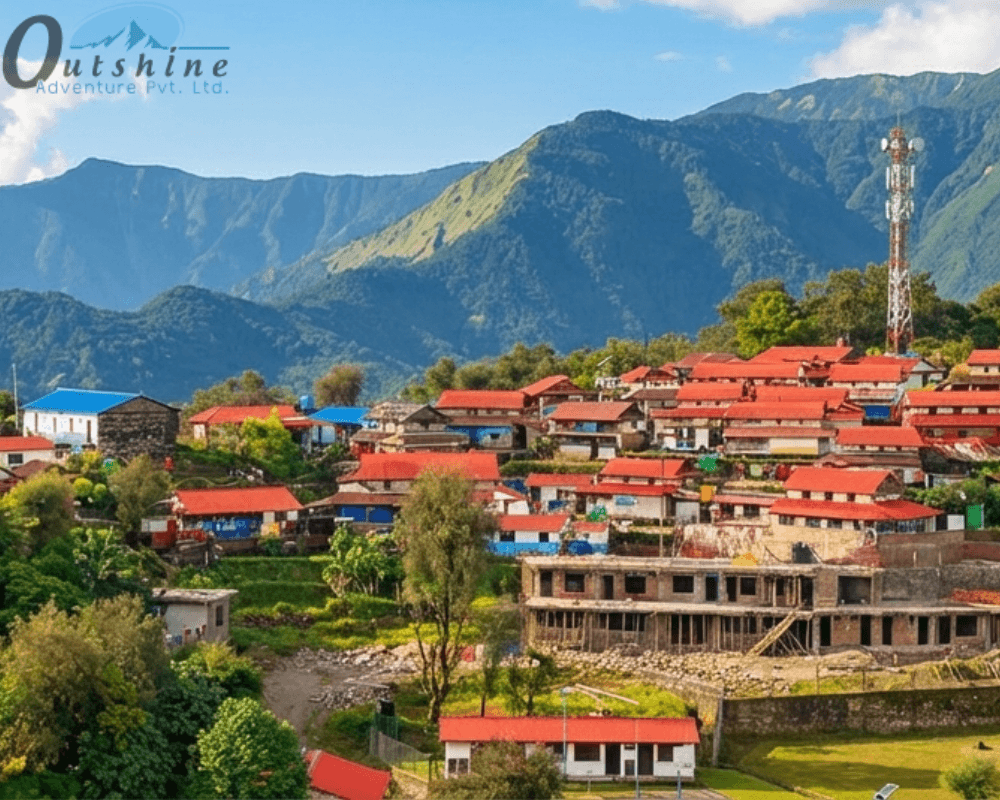
First-time trekkers come to Nepal with two thoughts. One, the mountains will be too hard. Two, the trek will feel watered down and touristy. Both fears come from not understanding how trekking actually works in Nepal.
Nepal is a very beginner-friendly and accessible place to go to trek. It is because many trails were originally village paths, not adventure routes. The landscape naturally encourages and supports gradual elevation gain, which means that the body is also allowed to gradually adapt to higher altitudes.
This guide breaks down the best treks in Nepal for beginners, written from the ground level. This guide is often based upon the experience of the guides themselves. Each trek listed here balances scenery, safety, comfort, and learning curve. No extremes. No shortcuts.
What Makes a Trek Beginner-Friendly in Nepal
Nepal's got over 1,300 peaks above 5,500 meters, but you don't need to conquer them all on day one. Why do first-time trekkers come here? The diversity. You can go hiking in rhododendron woodlands today and wake up with mountainous scenery the following day without posing extreme threats to yourself. Not all “easy” treks are equal.
Common questions we get: "Do I need prior experience?" No, but basic fitness helps. "What about permits?" We handle TIMS and national park fees seamlessly. And costs? The budget is completely determined by the type of trek you would like to engage in.
Nepal is not only about Everest treks. With first-timers, it is about identifying those treks that are easy and that help you build on your stamina. However, first-time trekkers in Nepal must remain below or even reach 4,000 meters. The issue of acclimatization is not that bad, but the risk is not insurmountable.
Top Easy Treks in Nepal for Beginners
From thousands of trips that have been organized, we have put together a list of the best trekking routes in Nepal for beginners. Each trek is suitable for first-time trekkers and is known for being both beautiful and within reach. In addition, each trek has something new to offer.
Ghorepani Poon Hill Trek
Duration: 3–5 days
Max Altitude: 3,210 m
Region: Annapurna
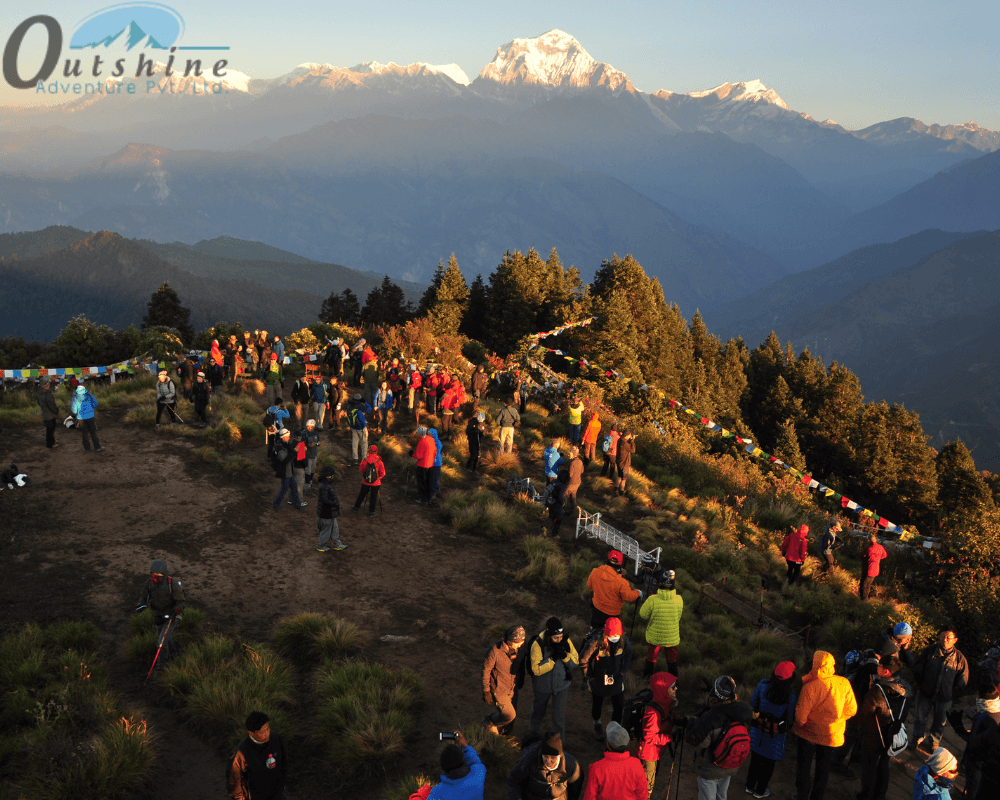
The Ghorepani Poon Hill trek is a good trek to undertake as a beginner in Nepal. The trek route is very simple. In the case of this trek, experience is not necessary and can be done by any age group.
The highlight of this trek is the view of the sunrise at Poon Hill. From this viewpoint, you can witness Annapurna, Dhaulagiri, Machhapuchhre, Nilgiri, and Himchuli Mountains all lit up with the early morning sun. The climbing route goes through the villages of Gurung and Magar and the experience of the local culture is first-hand. For the first-time trekkers, this is probably the first experience of the Himalayas.
Langtang Valley Trek
Duration: 7–10 days
Max Altitude: 3,870 m
Region: Langtang
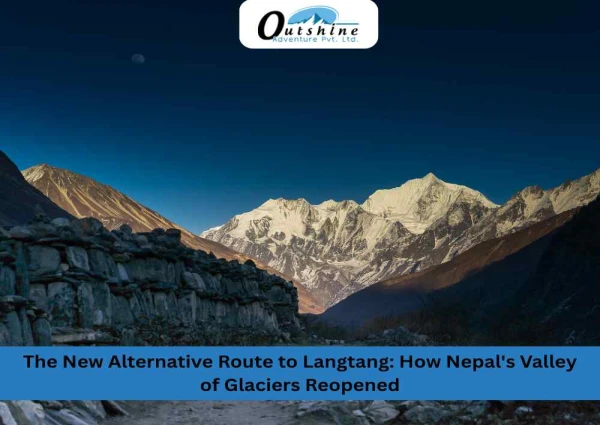
The Langtang Valley Trek is also an option for beginners that would like to have a long trek but not a very difficult one. The trail passes through a wide valley in such a way that the body naturally adopts as the height is secured.
Tibet has a great influence in the region, and this is reflected in the villages, monasteries, and the lifestyle. This makes the trek not only culturally enriched but also easy going and relaxing to manage. Langtang National Park is also a diverse one that can be explored by walking around the park consisting of forests, rivers, and open grasslands.
The trek is a well-recommended one with tea houses and a flexible timetable, thereby rendering it a safe and satisfying adventure for first-time trekking in Nepal.
Australian Camp and Dhampus Trek
Duration: 2–3 days
Max Altitude: 2,100 m
Region: Annapurna
The trek is ideal on the part of absolute beginners. The walking days are easy, and the altitude remains low. In addition, there is almost no risk of altitude-related discomfort.
Australian Camp has panoramic Himalayan scenery with minimum effort. Dhampus brings in a cultural factor of traditional village living and terraced fields. The trek being short and easygoing may be the introduction before the longer Himalayan ventures. Thus, it is also the appropriate option for travelers who combine trekking with sightseeing or cultural travel.
Mardi Himal Trek (Short Version)
Duration: 6–7 days
Max Altitude: 4,500 m (optional viewpoint)
Region: Annapurna
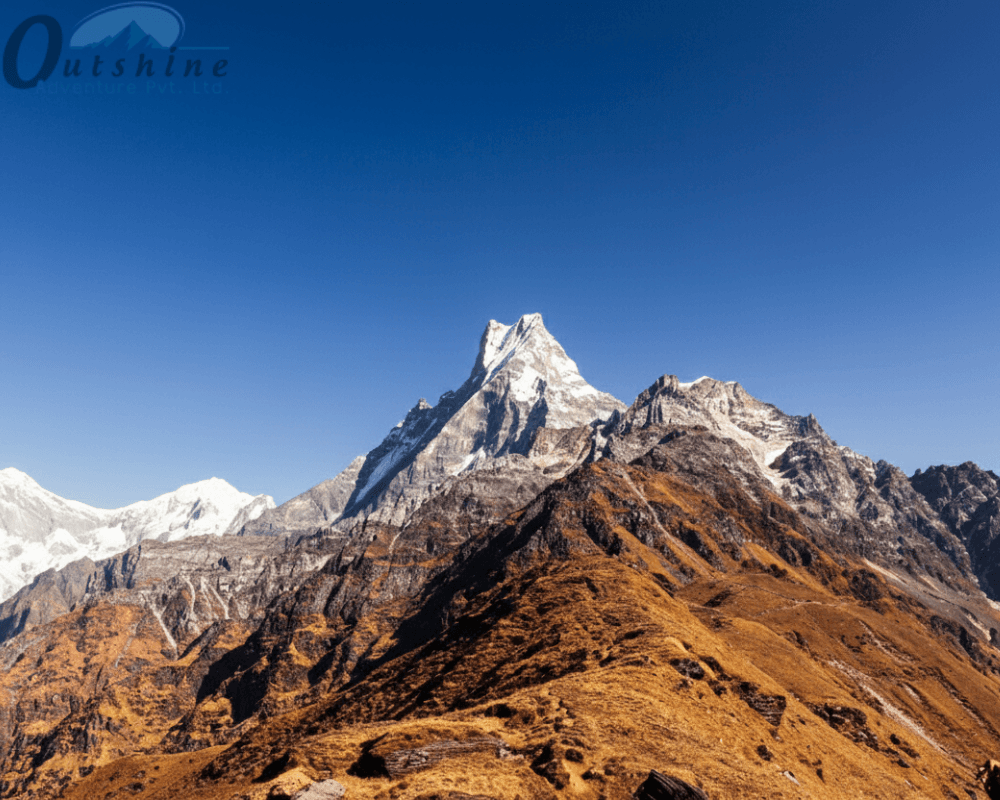
The Mardi Himal Trek can be considered the trail befitting beginners who prefer to enjoy peaceful paths and stunning mountain scenery without crowds. The journey begins mildly in the woodland and traditional villages.
As the trail climbs higher, the scenery opens, revealing close views of Machhapuchhre, Annapurna South, and Mardi Himal. The altitude gain is gradual, and trekkers can stop at comfortable points without needing to push to the highest viewpoint.
The short version of this trek allows flexibility, making it suitable for beginners when paced properly.
Everest Panorama Trek
Duration: 6–8 days
Max Altitude: 3,880 m
Region: Everest (Khumbu)
Everest Panorama Trek is targeted at inexperienced people who would like to see Everest but do not want to climb high. The trip is below 4,000 meters and has an opportunity for viewing the finest of Everest, Ama Dablam, and Lhotse, among other famous mountains.
It is made up of Namche Bazaar and Tengboche Monastery, which has offered mountain views and cultural views. The trekking days are not that challenging, and there are no particular conditions of the acclimatizing process.
The expedition starts at Lukla along well-developed routes and adequate infrastructure in the shape of lodges.
Tamang Heritage Trail
Duration: 7–9 days
Max Altitude: 3,165 m
Region: Langtang borderlands
The Tamang Heritage Trail gives greater value to culture rather than elevation. The route is characterized by traditional Tamang villages, monasteries, and hot springs. Trails stay moderate. The setting is close, and the circulation of trekkers is minimal, hence increasing contacts. The guides are typically locals in this, and you get to hear the stories remain authentic.
Best Seasons for Beginner Treks in Nepal
Spring (March–May): Stable weather, blooming forests, mild temperatures. Ideal for easy treks in Nepal.
Autumn (September–November): Clear skies, crisp air, reliable trails. Peak season but predictable.
Winter (December–February): Lower trails remain accessible. Cold nights, clear days. Good for short treks.
Monsoon (June–August): Selective trekking possible. Rain shadows and short routes work. Leeches and clouds increase.
For 2026, book early for peak seasons; we've noticed more prebooking crowds. Monsoon treks? Possible in rain-shadow areas like Upper Mustang, but not for beginners.
Cost Expectations for Beginner Treks
The cost you will incur depends on the number of people in your group, the time of year, and the standard of your package.
It is estimated to be $90-$150 per day. Your total cost will depend on your personal guide, permits, the accommodation you will need for your trip, all meals that you will eat while traveling, and your transportation to and from your destination.
Private trips can provide more consistent service than public trips, creating a better pace and better overall safety. Customized trips can be of great advantage for beginners.
By using licensed local businesses that have a smaller overhead or expense base, you will have the ability to factor in a greater qualification of service while hopefully maintaining the quality of the location you have chosen for your trip.
Using an international agent will typically increase your cost of trekking without providing any additional benefits.
Preparation That Actually Helps Beginners
You can make your trip more fun if you prepare properly. Begin training 2-3 months in advance: Walk 5-10 km daily with some hills. Many under-prepared clients have had a tough time, so do some cardio to get in shape.
For gear: Buy comfortable boots that you have broken in before leaving, a rain jacket, and a sleeping bag liner (most teahouses provide blankets). Bring electrolytes to keep hydrated (altitude will dry you out).
Understanding local customs is key to an enjoyable trip; take off your shoes in someone's home and wear conservative clothing. It will also help if you can learn some basic Nepali language, like "Namaste," which is a good beginning to connect with the locals. As far as visas, most travelers get them upon arrival, but you may want to check to see if they will be able to extend their visa while they are in the country.
Cultural Reality on Beginner Treks
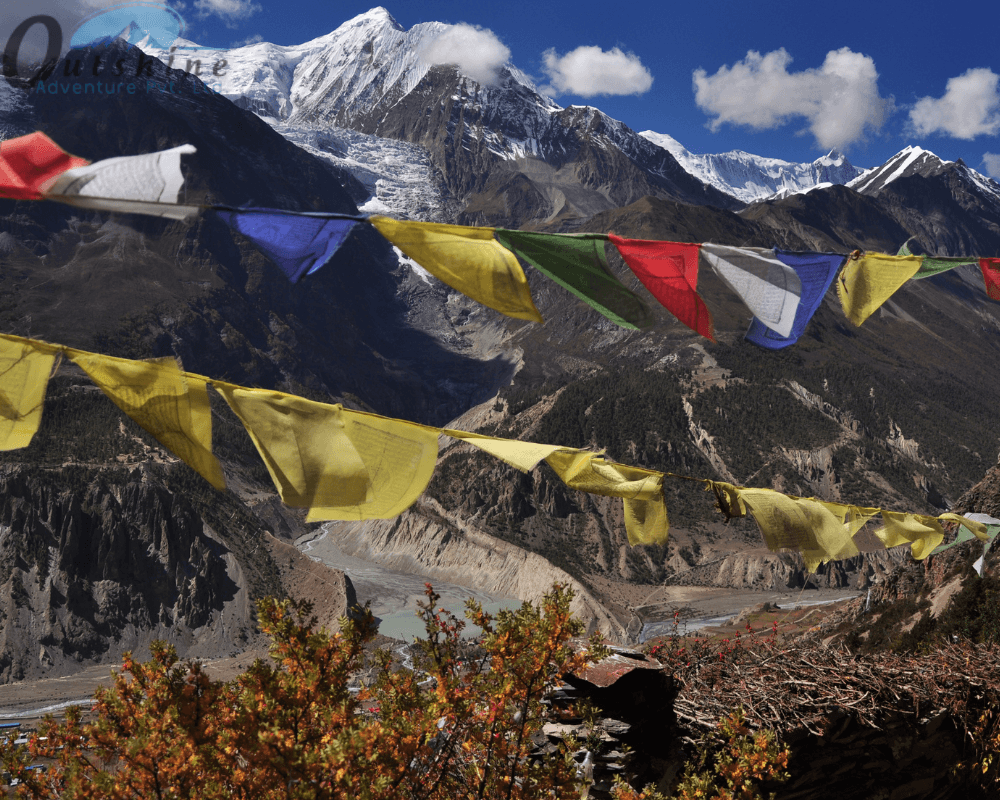
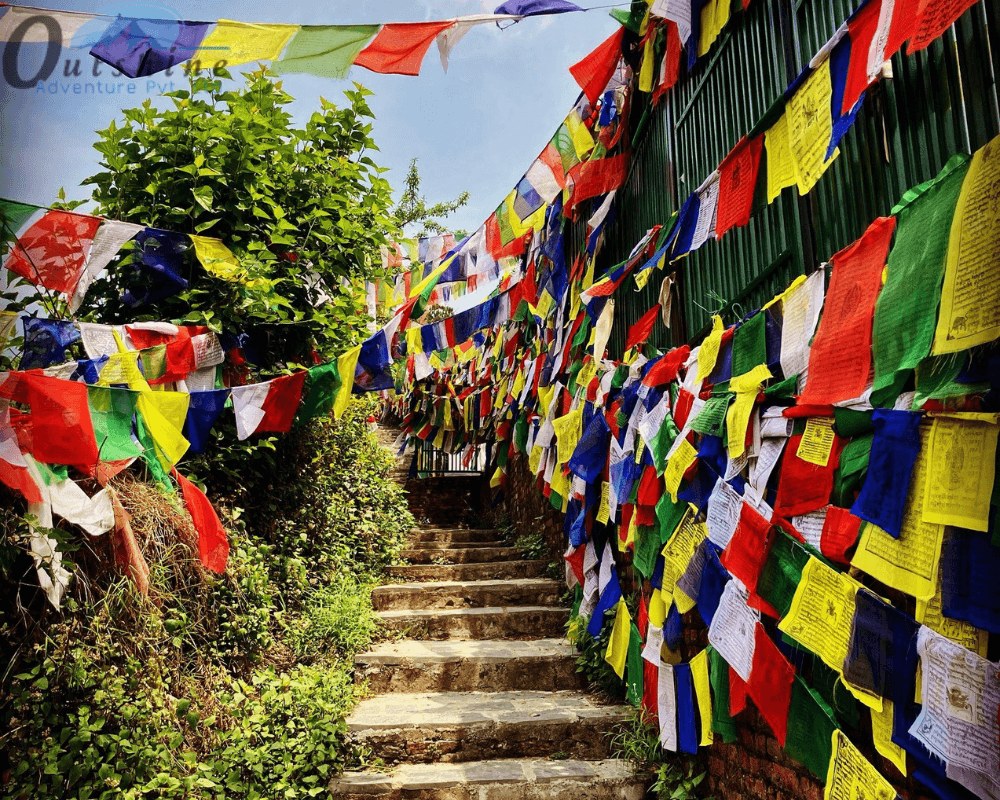
Nepal’s trails pass through live landscapes. Temples, mani walls, prayer flags, grazing animals, schoolchildren. These are not set pieces. Respect local customs. Dress modestly in villages. Ask before taking photos. Simple greetings matter.
Why Local Guides Matter for First-Time Trekkers
While traveling independently may seem exciting, having a qualified guide can transform your entire experience as a beginner. At Outshine Adventure, our staff has spent years hiking the trails in the area. They talk about shortcuts, changes in weather, and the best spots to find the best views.
Your guide will help you manage your pace, hydration, altitude sickness, and other logistical issues without ever being overbearing about it. Many beginning trekkers do not realize how mentally taxing trekking can be. A good guide will take that burden from you.
Licensed guides in Nepal undergo training in first aid, altitude sickness, and rescue coordination. The well-being of porters is important too. Responsible companies have strict policies regarding their weight limits and require insurance for their work.
Outshine Adventure is licensed to operate in Nepal by the government and has local guides who lead each trip. The routes for all of our trips are based upon the trekkers and not the other way around.
More information about what is included in the package can be found on the Trekking Packages page.
Choosing the Right Trek
Trek, plan for the first trek; everything must align: the route, the season, the guide, and the expectations.
Nepal is one of the few places in the world where you can easily access the Himalayas without any technical barriers. The mountains remain difficult in nature, but the approach does not have to be. Therefore, it is necessary to choose experienced and licensed local guides that offer customized itineraries, are flexible, and prioritize a safety-first approach.
Tips: Customize the adventure based on what really exists, not some idealized version of what you may want it to be.