Tibet Overland Tour from Kathmandu to Lhasa through the HimalayaTibet Overland Tour from Kathmandu to Lhasa through the Himalaya

Tibet Overland Tour Fixed Departures

  • Duration8 Days
  • Destination Tibet
  • Difficulty Level Strenuous
  • Maximum Altitude 4350 m
  • Accommodation Hotel / Lodge
  • Meals Breakfast
  • Best Time April to November

Trip Highlights

  • Explore the spiritual heart of Tibet with visits to important landmarks like the Jokhang Temple and the Barkhor Street.
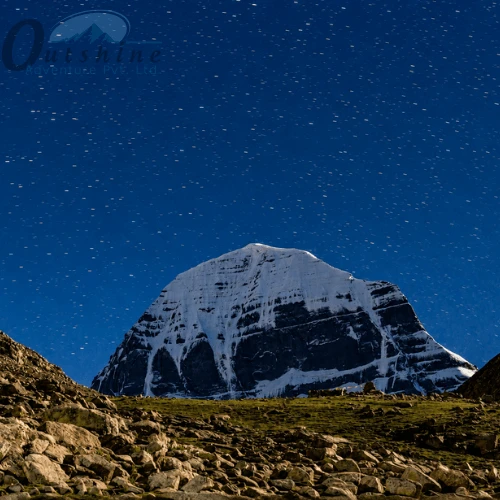
  • Embark on a pilgrimage to Mount Kailash, revered by Hindus, Buddhists, Jains, and Bon followers, and visit the sacred Lake Manasarovar.
  • Experience the serene beauty of Namtso Lake, known for its turquoise waters and majestic mountain backdrop.
  • Enjoy panoramic views from Khamba La Pass and visit the stunning Yamdrok Tso lake, one of the three largest holy lakes in Tibet.
  • Cross the border into Tibet from Nepal via the scenic Zhangmu town, offering glimpses of traditional Tibetan life.
  • Visit the Rongbuk Monastery, the highest monastery in the world, and get an awe-inspiring view of Mount Everest from the base camp.
  • Explore Shigatse, the second-largest city in Tibet, and visit the Tashilhunpo Monastery, home to the Panchen Lama.
  • Discover the historical significance of the Sakya Monastery, famous for its distinctive architecture and collection of Buddhist scriptures.

Tibet Overland Tour Overview

Tibet Overland tour will take us to highest plateau on the Earth, also known as 'Roof of the World.' This journey will allow us to experience the rich culture and tradition of the Tibetans. This is an eight-day adventurous tour where we will go through a high desert plateau, panoramic views of the Himalayas, and gorgeous Tibetan scenery. We will see the ancient beauty of Tibetan culture by visiting fascinating Gompas, vibrant markets, museums, forts, and libraries. The trip will allow us to discover exotic cities, hidden valleys, artistic monasteries, and the lifestyle of the locals.

Our tour begins with a drive to Kerung and Lhatse through beautiful sceneries dominated by river gorges, lush green meadows, snow-covered mountains, enchanting waterfalls, and diverse flora & fauna. We will also have stunning views of the Himalayas, including Mt. Everest (8,848 m), Mt. Cho Oyu (8,201 m), and Mt. Xishapagma (8,212 m). Further, we move towards Lhasa, Gyantse, and Shigatse, where we see major historical landmarks and monuments. This lets us know about the prosperous history of Tibetans. We will then visit one of the oldest monasteries, Tashilhunpo, where we will see sculptures and murals. Further, our trip includes a two-full-day Lhasa tour where we will explore Potala Palace, Norbulingka Palace, Barkhor Bazaar, the Tibet Museum, Sera Monastery, Drepung Monastery, Jokhang Temple, Sakya Monastery, and Shalu Monastery. Visiting all these places will let you learn about Tibetan people and their history more closely. In the end, we will drive/fly back to our hometown with lots of unforgettable memories and experiences.

Be a part of this joyful Nepal-Tibet Overland Tour with us, Outshine Adventure. We are a team of professionals working in the travel & tour industry to provide an authentic service in the market. We will make sure that this trip will become one of the most memorable times of your life.

Short Itinerary of Tibet Overland Tour.

Day 1: Kathmandu (1300) - Keung Border (145 km) 06-07. Overnight in Keung on the Tibet side.

Day 2: Kerung - Tingri (4,300 m)/Lhatse (4,350 m): 235 km, 5-6 hours.

Day 3: Tingri/Lhaste to Shigatse (3,900 M): 245 km, 5-6 hours.

Day 4: Shigatse - Gyantse (3,950 m) - Lhasa (350 km).

Day 5 & 6: Sightseeing in Lhasa.

Day 7: Lhasa to Shigatse Drive Back O/N at Guest House, 655 km, 8-9 Hours

Day 8: Shegar-Kerong to Kathmandu, 425 km, 9-10 hours by local jeep. 

What is the history of Tibet?

Tibet, often referred to as the "Roof of the World," has a rich and complex history deeply intertwined with its unique culture. Human habitation on the Tibetan Plateau dates back over 21,000 years, with the Zhang Zhung civilization playing a significant role in early Tibetan history. This civilization is also considered the origin of the Bön religion, which influenced Tibetan spiritual practices before the advent of Buddhism. The Tibetan Empire was established in the 7th century under the rule of Songtsen Gampo, who unified the region and introduced Buddhism with the help of his Nepalese and Chinese wives, Princess Bhrikuti and Princess Wencheng. The empire flourished, becoming a significant power in Central Asia, but fragmented in the 9th century after internal conflicts.

The key elements of Tibetan culture.

Tibetan culture is deeply rooted in spirituality, with Buddhism forming its core. Monasteries such as the Potala Palace, Jokhang Temple, and Drepung Monastery are not only religious centers but also symbols of Tibetan art and architecture. The intricate Thangka paintings, mandalas, and carvings reflect the region’s artistic heritage. Festivals like Losar (Tibetan New Year), Saga Dawa, and Shoton bring people together in colorful celebrations of faith, tradition, and community. Tibetan culture also emphasizes harmony with nature, reflected in sacred sites like Mount Kailash and Lake Mansarovar. Despite challenges, Tibet remains a symbol of spiritual resilience and cultural richness, drawing global attention for its heritage and natural beauty.

The Global Fame of Tibetan Art and Architecture.

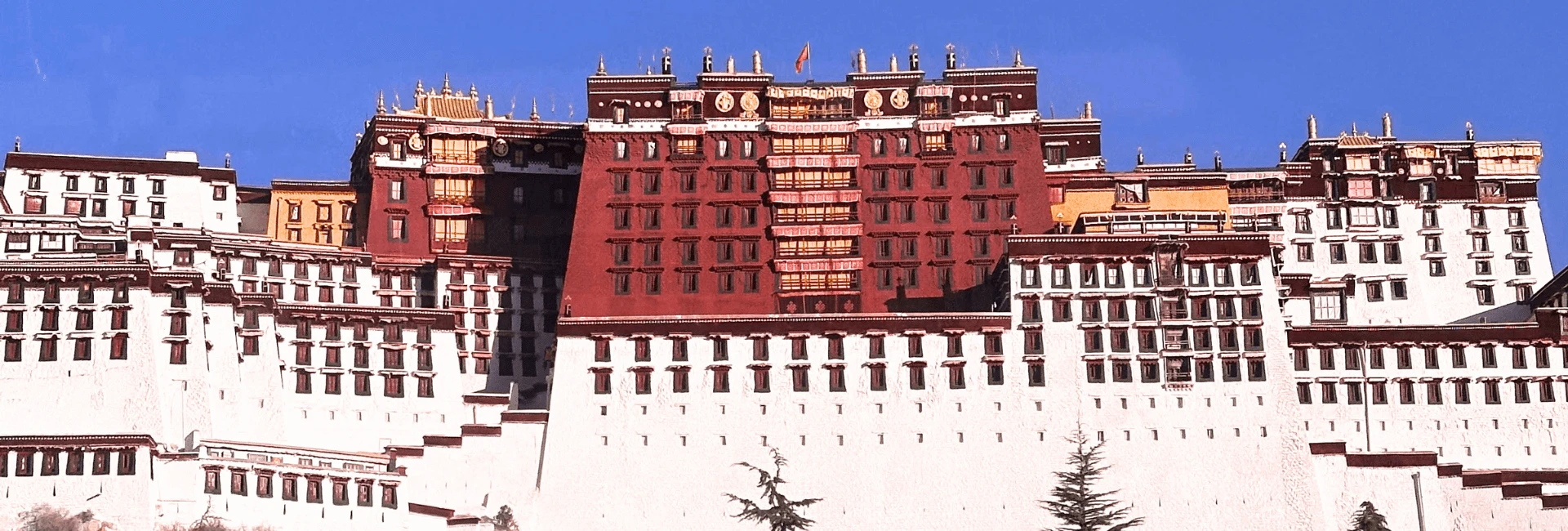
Tibetan art and architecture are renowned worldwide for their unique blend of spirituality, cultural significance, and intricate craftsmanship. Tibetan art, deeply rooted in Buddhist traditions, includes vibrant Thangka paintings, detailed mandalas, and sacred sculptures, each designed to embody spiritual truths and facilitate meditation. These artworks serve as tools for connecting with the divine, depicting Buddhist deities and the cosmos in intricate detail. Tibetan architecture is equally revered, with monumental structures like the Potala Palace and the Jokhang Temple symbolizing the fusion of spirituality and practical design. The Potala Palace, with its grand scale and spiritual significance, reflects Tibetan political power and religious devotion, while the Jokhang Temple stands as the most sacred Buddhist site in Tibet, attracting pilgrims and visitors worldwide. Both Tibetan art and architecture are celebrated for their ability to convey the profound connection between faith, history, and beauty, making them central to global appreciation of Tibetan culture.

Tibetan art and architecture are famous worldwide because they combine beauty, spirituality, and history in a way that few other cultures do. These art forms serve not just as decoration but as expressions of faith and as a means to connect with the divine. The unique and intricate details of Tibetan art and the grandeur of Tibetan architecture draw visitors and scholars alike, eager to experience the rich cultural heritage of Tibet

The most famous festivals are celebrated in Tibet.

Losar (Tibetan New Year): Losar is the most significant festival in Tibet, marking the start of the lunar new year. It is celebrated with elaborate rituals, traditional dances, music, and feasts. The festival is observed by Tibetan families, who clean their homes to rid them of bad luck, wear new clothes, and offer prayers for prosperity and happiness in the coming year.

Saga Dawa: This festival is dedicated to honoring the birth, enlightenment, and passing of Buddha. It is considered one of the holiest months for Tibetans. Devotees engage in prayers, fasting, and pilgrimages to sacred sites such as Mount Kailash. It is a time for reflection, spiritual practice, and charitable acts.

Shoton Festival: Shoton, also known as the "Yogurt Festival," is celebrated with Tibetan opera performances, dramatic dances, and the unveiling of large Thangka paintings at monasteries. The festival marks the end of the monastic retreat and is a time for the public to gather and enjoy cultural performances. Pilgrims and locals from all over Tibet come together to witness the stunning Thangka displays.

These festivals are celebrated by the Tibetan people, both within Tibet and by Tibetan communities around the world. They are an important part of Tibetan culture, blending religious devotion with joyful celebrations and community gatherings.

What is Tibetan Buddhism, and how has it gained global recognition and influence in the world?

What is Tibetan Buddhism, and how has it gained global recognition and influence in the world

Tibetan Buddhism holds a central place in the spiritual and cultural life of Tibet. It combines elements of ancient Bön traditions with Mahayana and Vajrayana practices, creating a unique form of Buddhism that focuses on both the teachings of Buddha and the esoteric practices aimed at enlightenment.

Mahayana Buddhism emphasizes the path of the Bodhisattva, a being who seeks to attain enlightenment for the benefit of all sentient beings.

Vajrayana Buddhism, also known as Tantric Buddhism, incorporates rituals, meditation techniques, and the use of mantras and visualizations to attain a deeper level of spiritual understanding.

Tibetan Buddhism is unique in that it incorporates these diverse traditions and places great importance on the role of the Dalai Lama, who is both a spiritual leader and a symbol of the unity of the Tibetan people. The Dalai Lama’s role is to preserve and spread the teachings of Tibetan Buddhism, and he is revered as an embodiment of compassion and wisdom.

Tibetan monasteries like Drepung, Sera, and Ganden serve as both spiritual and educational centers. These monasteries are not just places for worship but also hubs for learning, where monks study Buddhist philosophy, debate, and practice meditation. They have historically played an essential role in preserving Tibetan culture and spirituality.

Tibet's Close Relationship with Nepal and the Role of Princess Bhrikuti.

The marriage of Princess Bhrikuti and Songtsen Gampo was a pivotal event that strengthened the political and cultural ties between Nepal, Tibet, and China. Tibetan Emperor Songtsen Gampo sought to establish his empire's dominance and secure trade routes, leading to strategic alliances through marriage. To achieve this, he married two princesses,Bhrikuti of Nepal and Wencheng of China.

Princess Bhrikuti, the daughter of Nepalese King Amshuverma, played a significant role in deepening religious and cultural ties between Nepal and Tibet. Similarly, Princess Wencheng, the niece of Chinese Emperor Tang Taizong, helped secure peaceful relations and mutual cooperation between Tibet and China. These marriages not only solidified diplomatic alliances but also laid the groundwork for long-lasting cultural and religious exchanges.

The influence of these alliances was particularly evident in the spread of Buddhism. Bhrikuti brought Buddhist statues, artifacts, and architectural styles from Nepal to Tibet, fostering the growth of Buddhism there. Wencheng, on the other hand, introduced Chinese Buddhist traditions to the region. Together, their contributions helped establish Tibet as a center of Buddhist culture.

Additionally, these ties strengthened trade relations between Nepal and Tibet, with active trade routes fostering economic growth and cultural exchange. This historical connection has left a lasting legacy, with Nepal-Tibet relations symbolizing mutual respect and cooperation to this day. The enduring influence of these alliances reflects the importance of Princess Bhrikuti and her role in shaping the history of Nepal and Tibet.

Why is Tibet Famous Worldwide?

Spiritual and Religious Significance: Tibet is renowned globally as the spiritual heart of Buddhism. It is the birthplace and home to some of the most revered Buddhist sites and monasteries in the world. Lhasa, the capital, is considered a sacred city, housing the Jokhang Temple and the Potala Palace, both significant pilgrimage destinations for Buddhists. Pilgrims from around the world travel to Tibet to visit sacred sites like Mount Kailash and Lake Mansarovar, both of which hold deep religious and spiritual significance in Buddhism, Hinduism, and other faiths. The region is also the home of the Dalai Lama, the spiritual leader of Tibetan Buddhism, adding to its revered status.

Natural Beauty: Tibet is famous for its stunning landscapes, which include towering Himalayan peaks, vast plateaus, and serene turquoise lakes. The Tibetan Plateau, often referred to as the "Roof of the World," is one of the highest and most awe-inspiring regions on Earth. The Mount Everest Base Camp is a popular destination for those seeking to witness the world's tallest peak. Other natural wonders include Namtso Lake, known for its crystal-clear waters, and Yamdrok Lake, offering picturesque views. The landscape's remoteness and ruggedness, combined with its pristine beauty, make Tibet an exceptional destination for nature lovers and photographers.

Cultural Uniqueness: Tibetan culture is deeply rooted in Buddhism, which influences every aspect of daily life, from rituals and festivals to art and architecture. Traditional Tibetan practices, such as the spinning of prayer wheels and the flying of prayer flags, are integral to the cultural fabric of the region. Festivals like Losar (Tibetan New Year) and Saga Dawa (celebrating Buddha’s life) are celebrated with vibrant dances, rituals, and ceremonies. The Tibetan language, clothing, food, and customs all reflect a unique cultural heritage that is distinct from surrounding regions, making it a place of great interest to those seeking to understand and experience a different way of life.

Adventure Tourism: Tibet is a mecca for adventure tourism. It is known for its high-altitude trekking, mountaineering, and exploration of remote, untouched landscapes. Adventurers and mountaineers flock to Tibet to trek along the Ancient Tea Horse Road, explore the Everest Base Camp, or challenge themselves by scaling peaks like Mount Kailash. The region's vast, rugged terrains and remote monasteries also make it a sought-after destination for those seeking a blend of spiritual journey and physical challenge. Tibet offers a unique opportunity to experience one of the world’s most remote and extreme environments, where the challenges of altitude and geography meet the allure of its rich history and culture.

These factors combined,its spiritual significance, natural beauty, cultural uniqueness, and adventure tourism—make Tibet an iconic destination that captures the imagination of travelers and spiritual seekers alike. Its influence extends beyond its borders, making it a region of global importance and fascination.

Why Choose to Start a Tibet Overland Tour from Kathmandu, Nepal?

Starting a Tibet overland tour from Kathmandu, Nepal, offers numerous advantages, making it the preferred route for many travelers. Kathmandu, being the closest major city to Tibet, serves as the ideal gateway for this unique adventure. It provides easy access to necessary permits, which are essential for traveling to Tibet, simplifying the overall logistics. Moreover, Nepal’s rich cultural and historical connections with Tibet allow travelers to immerse themselves in the Tibetan culture even before crossing the border. The scenic drive from Kathmandu to Tibet offers breathtaking views of the Himalayas, enhancing the overland journey. Additionally, the diverse landscapes, peaceful atmosphere, and expertise of local tour operators make Kathmandu an ideal starting point for those seeking a seamless and memorable Tibet experience.

Tibet requires a special permit, which can only be arranged through a registered travel agency in Nepal. To obtain this permit, travelers must book a guided tour with an authorized operator. The travel agency, like Outshine Adventure, will handle the permit application process on your behalf, ensuring compliance with the Chinese government’s regulations for entering Tibet. It’s important to note that this permit is different from a standard Chinese visa, and it’s typically obtained after securing a Chinese visa from the embassy.

Tibet Overland Tour Fixed Departures Itinerary

01Day
  • Max. Altitude:2800 M
  • Duration:6-7 hours
  • Meals:Breakfast
  • Accommodation:Tea Houses

Your journey begins with an early morning departure from Kathmandu, heading towards the Kerung Border. The drive takes you through picturesque countryside, offering stunning views of rolling hills, terraced fields, and traditional villages along the way.

Upon reaching the border, you will complete the necessary immigration and customs formalities. After crossing into Tibet, the journey continues with an uphill drive to Kerung, where you will be surrounded by breathtaking mountainous landscapes.

Enjoy a relaxing evening as you settle into a comfortable guesthouse in Kerung, preparing for the adventures ahead.

02Day
  • Max. Altitude:4,350m
  • Duration:05 -06 Hours
  • Meals:Breakfast
  • Accommodation:Guest house

 The journey continues as we drive towards the world’s highest plateau, offering panoramic views of the vast Tibetan landscape. Along the way, you will witness the region’s unique natural beauty, including sweeping plains and rugged mountain scenery.

As we approach Tengri, you will be treated to breathtaking views of the mighty Himalayas, with Mt. Everest (8,848m) standing majestically in the distance. The spectacular vistas will undoubtedly leave you in awe.

We will spend the night in a comfortable guesthouse, giving you a chance to rest and acclimatize to the high altitude while soaking in the serenity of this remarkable destination.


.

03Day
  • Max. Altitude:3,900m
  • Duration:5–6 Hours
  • Meals:Breakfast

After breakfast, we set out on a scenic drive to Shigatse, Tibet's second-largest city. Along the way, we cross Gyatchu La Pass (5,220m), the highest point of our journey, offering mesmerizing views of the surrounding Tibetan landscape.

The route is filled with breathtaking scenery, including vast plains, rugged mountains, and traditional Tibetan settlements, providing a glimpse into the region’s natural and cultural beauty.

Upon reaching Shigatse, you will check into a comfortable hotel where you can relax and unwind. Enjoy a peaceful evening as you prepare for more adventures ahead.

04Day
  • Max. Altitude:3950m
  • Duration:4-5 Hours
  • Meals:Breakfast
  • Accommodation:Hotel

After breakfast, we begin the day with a brief sightseeing tour in Shigatse. The highlight of the morning is a visit to Tashilhunpo Monastery, the seat of the Panchen Lama, which offers an incredible insight into Tibetan Buddhist culture and history.

Following our tour, we embark on a scenic drive to Gyantse Valley, passing through charming Tibetan villages that showcase the region's traditional way of life. Upon arriving in Gyantse, we visit the famous Gyantse Kumbum, a stunning gold-domed stupa renowned for its intricate architecture and exquisite murals.We also explore the Gyantse Dzong, a 14th-century fortress that offers a glimpse into Tibet's historical significance and provides panoramic views of the valley.

The day concludes with an overnight stay at a comfortable hotel, where you can relax and reflect on the rich cultural experiences of the day.

05Day
  • Max. Altitude:3,650m
  • Duration:5-6 Hours
  • Meals:Breakfast
  • Accommodation:Guest Houses

Today’s journey takes us to the spiritual heart of Tibet, the city of Lhasa. Along the way, we cross two majestic mountain passes: Karo La Pass (5,010m) and Kamba La Pass (4,794m). These high-altitude passes offer stunning views of the surrounding snow-capped peaks and the dramatic Tibetan landscape.

One of the highlights of the drive is the breathtaking Yamdrok Tso (Turquoise Lake), a sacred lake revered for its vibrant blue waters, and the sight of the mighty Brahmaputra River, flowing gracefully through the region.

After descending from Kamba La Pass, we follow the main road leading to Lhasa, where the journey transitions from the rugged wilderness to the vibrant city.

Upon arrival in Lhasa, we check into a comfortable hotel, ready to explore this historic and spiritual city in the coming days. Rest well and acclimatize as you prepare to uncover the treasures of Lhasa.

06Day
  • Max. Altitude:3600m
  • Duration:5-6hours
  • Meals:Breakfast
  • Accommodation:Guest houses

 After breakfast, we set out for a guided sightseeing tour to explore the spiritual and cultural treasures of Lhasa.

Our first stop is the iconic Potala Palace, the winter residence of the Dalai Lama. This architectural masterpiece offers a panoramic view of Lhasa town and serves as a symbol of Tibetan Buddhism and heritage.

Next, we visit the Norbulingka Palace, the summer residence of the Dalai Lama, located just southwest of Potala Palace. Known for its beautiful gardens and serene atmosphere, Norbulingka provides insight into the personal lives of Tibetan spiritual leaders.

Later, we explore the Tibet Museum, situated directly below Potala Palace. The museum offers a fascinating look into the rich history, art, and culture of Tibet, providing a deeper understanding of this mystical land.

After a day of exploration, we return to the hotel for a relaxing evening. Rest well as we prepare for more adventures ahead.


07Day

    On our second day of sightseeing in Lhasa, we delve deeper into the city’s spiritual and cultural heritage.

    We begin with a visit to the Drepung Monastery, founded in the 14th century. Once the largest monastery in the world, it was home to over 10,000 monks at its peak. Its historical and spiritual significance makes it a must-visit site in Lhasa.

    Next, we head to the Sera Monastery, known for its stunning whitewashed walls, golden roofs, and unique monastic debates. Watching monks engage in lively discussions on Buddhist philosophy is an unforgettable experience.

    Later, we visit the sacred Jokhang Temple, one of the most important spiritual sites in Tibetan Buddhism. The temple unravels many mysteries of Tibetan religion and culture, attracting pilgrims from all over the world.

    In the evening, we explore the bustling Barkhor Bazaar, a vibrant marketplace filled with open stalls, shops, and pilgrims walking the kora (sacred path). This is the perfect spot to immerse yourself in the local culture and pick up unique Tibetan souvenirs.

    We return to the hotel after an enriching day, completing our exploration of Lhasa’s remarkable heritage

    08Day

      We return to the hotel after an enriching day, completing our exploration of Lhasa’s remarkable heritage.

      After breakfast, we will check out of the hotel and begin our journey towards the next destination, either back to Kathmandu or onward to Mainland China. The drive will again offer stunning views of the Tibetan plateau, with the vast landscapes and mountain ranges providing a memorable farewell to Tibet.

      Whether you are returning to Kathmandu or continuing your adventure in China, the scenic route ensures a reflective and picturesque end to your journey. We hope you carry with you the lasting memories of Tibet’s spiritual and cultural wonders as you conclude your trip

      Tibet in 7–8 days, tailored to your convenience—explore ancient monasteries, stunning landscapes, and rich Tibetan culture.

      Cost Details

      Price Includes

      • Twin sharing accommodation as per the itinerary on a bed & breakfast (B/B) basis.
      • English-speaking Tibetan guide.
      • Transpiration as per the itinerary by van or bus.
      • Monastery Entrance Fee.
      • Tibet Travel Permit.

      Price Excludes

      • Lunch and Dinner.
      • Train or airfare for any sector.
      • Insurance of any kind.
      • Natural or Political Disturbance that is beyond our Control.
      • Personal expenses such as drinks and tips.
      Dates & Availability
      Start DateEnd DateStatusPrice 
      Start DateStarts: SaturdaySep 19, 2026Group Joining TourEnd DateEnds: SaturdaySep 26, 2026StatusStatusAvailablePricePriceUS$1150
      Start DateStarts: SaturdaySep 26, 2026Group Joining TourEnd DateEnds: SaturdayOct 03, 2026StatusStatusAvailablePricePriceUS$1150

      Depending on your preferred travel dates and flexibility, we can operate both private and sharing Tibet tours

      Private Trip

      Useful Information

      Most Important Tibet Travel Permit/Visa.

      You need a Tibet Travel Permit to visit Tibet, which can only be arranged through a registered travel agency in Nepal or China. The permit is different from a Chinese visa, and it must be obtained in advance.

      A Chinese visa is also required to enter Tibet, which should be arranged through the Chinese embassy.

      We need your original passport for a minimum of 3 working days in advance for a Tibet visa.

      GROUP JOINING COST 2026/2027.

      Group Joining Cost (US): -$1300.00 Per Person.

      Visa Fee US$:-125.00 (If American or Canadian citizen, extra US$:-90.00)

      Flight Fare (Lhasa to Kathmandu) US$: -450 (Subject to available)

      Single Supplement US$: -175 (If Needed)

      Tibet Overland Tour From kathmandu.


      Tibet Overland Tour Fixed Departures FAQs

      • Tibet is located at a high altitude, so proper acclimatization is important. Take it easy during the first few days, stay hydrated, and avoid heavy physical activity. Common symptoms of altitude sickness include headache, dizziness, nausea, and shortness of breath.

      • The official currency is the Chinese Yuan (CNY/RMB). Carry some cash, especially when traveling to remote areas, as card payments may not always be available.

      • Tibet has a dry, high-altitude climate with significant temperature changes. Pack warm layered clothing, a good jacket, gloves, a hat, sunscreen, and comfortable walking shoes.
      • Yes, food is available throughout the main travel routes. Tibetan and Chinese dishes are commonly served, including momos, noodles, rice, vegetables, and meat. We recommend drinking bottled or purified water.

      • Tibet is deeply spiritual, so please respect local customs and religious traditions. Ask permission before photographing people and follow the instructions when visiting monasteries, temples, and sacred sites.

      • Medical facilities are available in major towns, but they can be limited in remote areas. Travel insurance covering high-altitude travel and medical emergencies is strongly recommended. Carry your regular medications with you.

      • Road travel is the main mode of transportation, with some journeys involving long drives through high mountain passes. The Kathmandu–Kerung and onward Tibet routes can involve long driving days. Travelers arriving from Mainland China can also reach Lhasa by train.

      • Internet and mobile coverage are generally available in major cities such as Lhasa but may be limited in remote areas. It is advisable to inform your family or friends about your travel plans before departure.

      • Yes. With proper preparation, acclimatization, and a well-planned itinerary, Tibet can be enjoyed by first-time travelers. Our team provides guidance throughout the journey

      • Yes. Depending on your preferred travel dates and flexibility, we operate both private and sharing Tibet tours.

      Tibet Overland Tour Fixed Departures Reviews

      • D
        Daniel CooperSpain,May 27, 2026
        rating star

        Tibet and Everest – An Experience I Will Never Forget

        Tibet had been on my travel list for a long time, and the trip exceeded my expectations. Lhasa was incredible, especially the Potala Palace and Jokhang Temple, which were two of my favorite places.

        The journey toward Everest was spectacular. We traveled through remote landscapes, mountain passes, small villages, and beautiful valleys. The scenery seemed to change every few hours.

        Our guide was very friendly and had excellent knowledge of the region. He also gave us enough time to take photographs and enjoy the landscapes without feeling rushed.

        When we finally saw Mount Everest, it was a very special moment. The mountain looked absolutely magnificent from the Tibetan side. The journey was long, but every kilometer was worth it.

        Posted onGoogle
      • E
        EmmaChile,April 06, 2025
        rating star

        Tibet Overland – Mountains, Monasteries and Unforgettable Memories

        Our journey through Tibet was a truly memorable experience. From our arrival in Lhasa to the journey toward Everest, the entire trip felt like a real adventure.

        We really enjoyed visiting the Potala Palace, Jokhang Temple, and several monasteries. The local culture fascinated us, and our guide helped us understand many things that we probably would have missed if traveling on our own.

        The Tibetan landscape was probably my favorite part of the journey. The vast plateau, mountains, and beautiful lakes were breathtaking.

        Some days involved many hours of driving, but there was always something interesting to see through the window. Reaching the Everest region was the most special moment of the entire journey.

        Outshine Adventure organized the trip very well, and the team took care of us throughout the experience. I would recommend Tibet to anyone who loves mountains, culture, and adventure.

        Posted onTripAdvisor
      • M
        Marco RossiColombia,October 29, 2024
        rating star

        Incredible Landscapes and Tibetan Culture

        Our trip to Tibet was an unforgettable adventure through the Himalayas. We were deeply impressed by the vast landscapes and peaceful atmosphere of the Tibetan Plateau.

        Lhasa was full of history and culture. The Potala Palace was spectacular, and we also enjoyed visiting Jokhang Temple and walking through the streets of Barkhor.

        The journey toward Everest was long but incredibly scenic. Along the way, we saw snow-covered mountains, high-altitude passes, and stunning turquoise lakes. Every day offered something different.

        Our guide was excellent and always willing to help. He taught us a lot about the local culture and made sure we were comfortable throughout the journey.

        The moment we saw Mount Everest was undoubtedly the highlight. It is difficult to describe the feeling of standing in front of such an enormous mountain. A truly wonderful experience

        Posted onTripAdvisor
      Tripadvisor

      Similar Trips

      You may also like this packages
      Still, looking for your next holiday?

      Let us help you plan your dream vacation, with personalized itineraries and expert advice.

      Plan Your Trip