When you think of trekking to Mount Everest, you might imagine arduous weeks of high-altitude climbing and grueling daily walks. The reality for many travelers is different. The Everest Panorama Trek offers something increasingly popular with adventure seekers: a concentrated journey into the heart of the Khumbu that delivers stunning mountain vistas, authentic cultural encounters, and genuine Himalayan magic all within just eight days.
This trek has become a favorite among trekkers who want to balance serious mountain scenery with manageable distances and accessible altitudes. Whether you're a first-time trekker wanting to test your limits, a seasoned explorer with limited vacation time, or someone seeking to connect with Sherpa culture before attempting more challenging climbs, the Everest Panorama Trek delivers an experience that punches well above its compact itinerary.
The Perfect Everest Experience for Time-Constrained Travelers
The eight-day Everest Panorama Trek occupies a unique space within Nepal's broader Everest Trekking offerings. Unlike the classic 15-day Everest Base Camp Trek or the more challenging Everest Circuit Trekking routes, the Panorama Trek distills the Everest region's essence into a concentrated expedition that emphasizes quality over quantity.
What makes this trek particularly special is its strategic positioning within the Khumbu Valley. Rather than pushing toward the remote heights of Base Camp at 5,340 meters, the Panorama route takes you to Tengboche Monastery at 3,850 meters the ideal altitude for experiencing dramatic mountain views without requiring extensive acclimatization periods. This approach means more time spent enjoying the landscape and less time battling altitude-related fatigue.
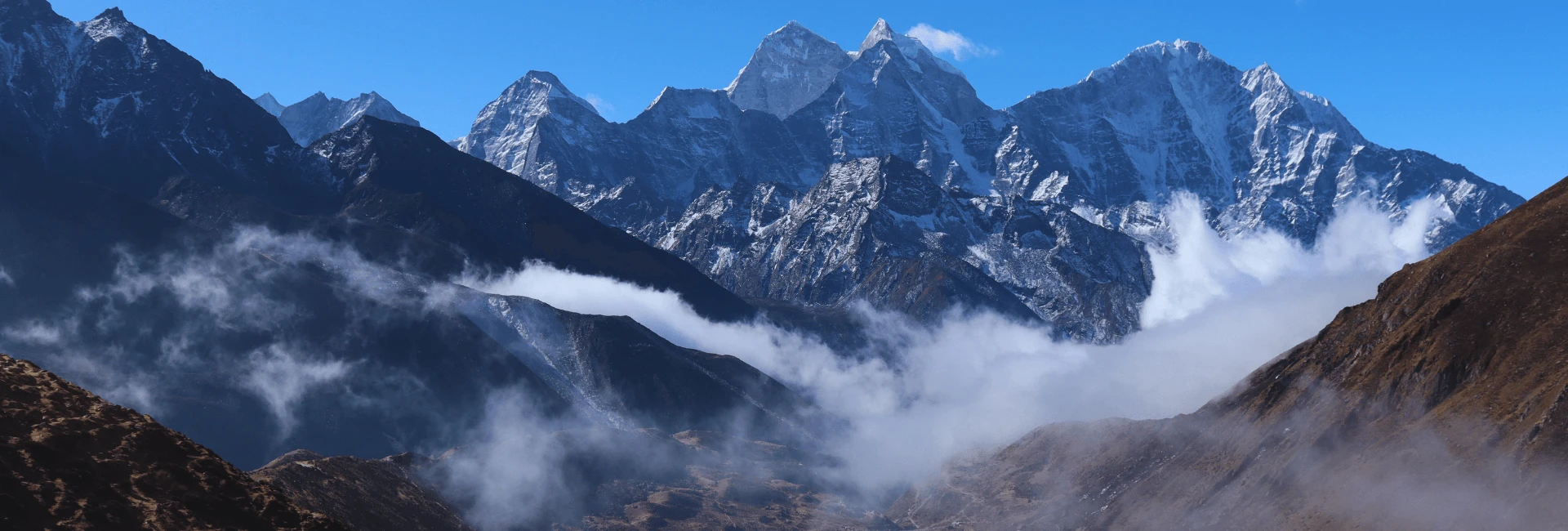
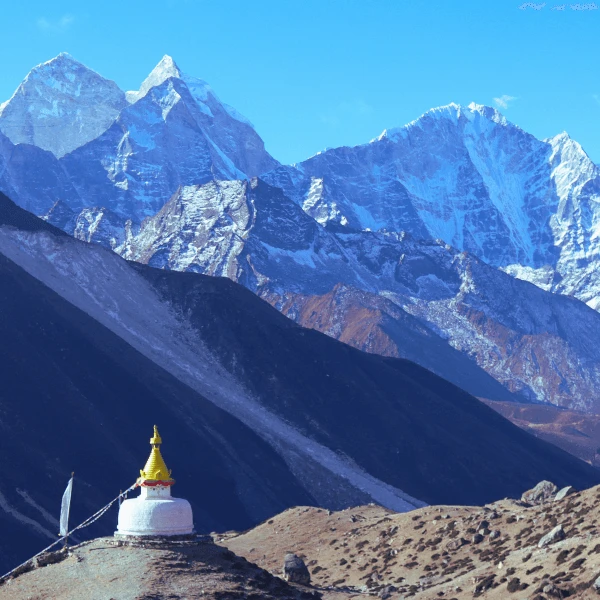
The trek still delivers those iconic Himalayan sights: towering peaks including Everest, Lhotse, Ama Dablam, and Thamserku fill the horizon. Yet the lower maximum altitude keeps the experience within reach for dedicated trekkers who prefer efficiency over exhaustion.
Understanding the Khumbu Landscape
The Everest region, officially known as the Khumbu, sits on the southeastern edge of the Himalayas. This area has become synonymous with mountaineering since Edmund Hillary and Tenzing Norgay launched their successful Everest summit attempt from this region in 1953. Over seven decades later, the Khumbu remains the launching point for most Everest expeditions but it's become far more than just a staging ground.
The region's geography creates stunning visual contrasts. Deep river valleys carved by glacial melt carve through dense forests of rhododendron and pine. At higher elevations, the landscape transforms into alpine meadows dotted with prayer flags and stone cairns. The Dudh Koshi river, whose name means "milk river" in Nepali, winds through much of the trek route its milky appearance caused by glacial sediment is a constant reminder of the powerful geological forces shaping this terrain.
This landscape has been home to the Sherpa people for centuries. The Sherpas arrived in the Khumbu region from Tibet roughly five centuries ago, and their deep cultural roots run through every valley and village. Understanding this context enriches the Everest Panorama Trek beyond a simple hiking experience it becomes a journey through a living culture.
The Sherpa Villages and Cultural Heart
If the Everest Panorama Trek has a defining characteristic, it's the priority given to human connection over altitude conquest. The route deliberately includes some of the most significant Sherpa settlements, starting with Namche Bazar, the vibrant market town that serves as the gateway to the Khumbu.
Namche Bazar operates as a trading hub and administrative center, but it's also a cultural crossroads where you'll find everything from traditional lodges serving momos and butter tea to internet cafes and modern shops. The town's architecture reflects its unique position Sherpa traditions blend with practical accommodations built to welcome international trekkers. During your acclimatization day, take time to explore the Sherpa Museum, which offers genuine insights into local history, mountaineering traditions, and the evolution of the Sherpa people from isolated mountain dwellers to globally recognized mountaineers.
From Namche, the trek progresses to Tengboche Monastery, one of the most spiritually significant monasteries in the entire Khumbu region. Built in 1923, Tengboche sits at 3,850 meters and commands one of the most spectacular mountain panoramas on the circuit. Early mornings often bring the sound of Buddhist chanting from the monastery, a reminder that this trek moves through active spiritual spaces, not merely tourist attractions.
The trek then leads to Khumjung, a traditional Sherpa village largely untouched by the tourism infrastructure of Namche. Here, you'll see how local life continues much as it has for generations prayer wheels spin beside stone houses, yak herds wander past fields of potatoes and barley, and locals greet trekkers with genuine warmth rather than commercial transaction.
Daily Trekking and The Physical Experience
The Everest Panorama Trek works well for trekkers across different fitness levels, though it remains classified as a moderately strenuous trek. Daily walking typically ranges from three to five hours, which is substantial enough to engage your cardiovascular system but manageable enough to allow real enjoyment of the surrounding landscape.
The trek starts with a dramatic transition a 30-minute flight from Kathmandu to Lukla, where the mountain airstrip sits perched at 2,804 meters. This particular airport, often listed among the world's most challenging, opens up trekking itineraries that would otherwise require weeks of hiking to access. After your first night in Lukla, an easy three-hour descent follows the Dudh Koshi river to Phakding.
The next day brings the most significant elevation gain of the trek a steady five-hour climb to Namche Bazar, ascending nearly 900 meters. This day tests your aerobic capacity and begins the acclimatization process. Once in Namche, a rest day allows your body to adjust to the altitude while you explore the monastery, shops, and surrounding hills.
The route then leads gradually upward through rhododendron forests and along mule trails to Tengboche Monastery, a day that takes roughly five hours and offers increasingly spectacular views. From Tengboche, the trek descends slightly to Khumjung village before returning to Lukla via Phakding, retracing familiar terrain but experiencing it differently as you head downhill.
This structure means minimal backtracking and a logical flow through communities rather than arbitrary stopping points chosen solely for distance.
Best Time to Trek and Seasonal Considerations
The Everest Panorama Trek operates year-round, but certain seasons offer markedly better experiences. The primary trekking seasons March through May and September through December are ideal for good reason. These periods offer stable weather patterns, excellent visibility for mountain views, and comfortable trekking conditions.
Spring (March to May) brings blooming rhododendrons in the lower elevations and increasingly clear skies as the season progresses. The air quality improves toward May, making distant peaks more visible. Daytime temperatures become more moderate, though nights remain cold above 3,000 meters.
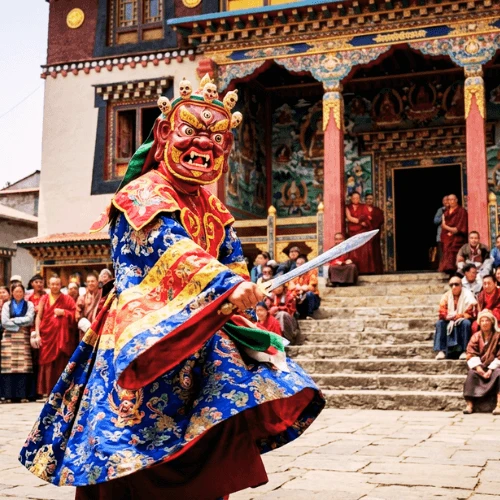
Autumn (September to December) represents the most popular trekking window. Clear skies, comfortable temperatures, and crisp air create phenomenal visibility. Early autumn sees the Mani Rimdu Festival at Tengboche Monastery in late September or early October, a spiritual celebration featuring masked dances and religious ceremonies that you might encounter during an autumn trek.
While winter and monsoon season present challenges, the trek doesn't close during these periods. Winter offers the advantage of fewer trekkers and stunning clear skies, though cold temperatures require additional preparation. Monsoon rains (June to August) create lush green landscapes but frequent clouds obscure mountain views.
Practical Considerations for Success
Preparation for the Everest Panorama Trek requires attention to several important factors. Altitude represents the primary consideration. While 3,850 meters is significantly lower than many Everest region treks, it's still high enough to trigger altitude-related issues for some trekkers. Understanding the signs and symptoms of High Altitude Sickness becomes essential. Spending your rest day in Namche Bazar allows proper acclimatization before climbing higher.
Proper Trekking Equipments matter considerably. While the trek doesn't require technical climbing gear, adequate layers for temperature variations (you'll experience significant swings between sun and shade), a quality sleeping bag rated for sub-zero temperatures, and weather-resistant outerwear are essential. Many travelers appreciate the convenience of renting equipment in Kathmandu before departure.
An Essential Travel Checklist helps ensure nothing gets forgotten. Beyond standard items, consider bringing high-SPF sunscreen (the high altitude and snow reflection intensify UV exposure), blister prevention supplies, and high-energy snacks for sustained energy during trekking days.
Travel insurance deserves serious consideration. A comprehensive Complete Travel Insurance Guide for Trekking in Nepal can help you understand coverage types and ensure your policy includes altitude-related medical evacuation a critical safeguard for Himalayan trekking.
Supporting Responsible Mountain Tourism
The Everest Panorama Trek passes through communities where trekking tourism significantly impacts local livelihoods and environmental systems. Practicing Responsible Tourism enriches your experience while benefiting local communities and preserving the Khumbu's natural beauty for future visitors.
This means hiring local guides and porters, eating at locally-owned lodges, purchasing goods from community members, and leaving no trace of your passage. It means respecting local customs, asking permission before photographing people or prayer ceremonies, and understanding that these are living communities, not theme parks.
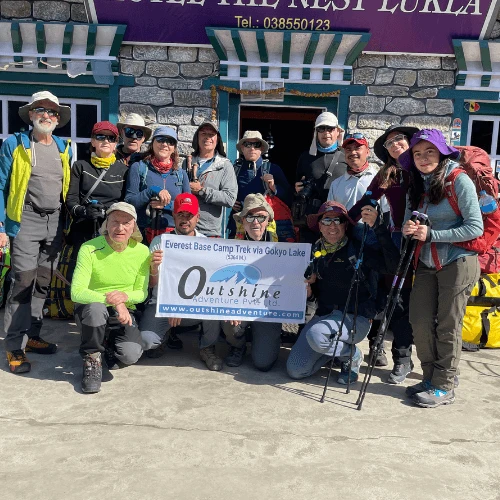
Outshine Adventure emphasizes this philosophy throughout their operations. Your trekking fees directly support education initiatives and community development projects, ensuring that mountain tourism provides sustainable benefits rather than exploitative relationships.
Who Benefits Most from This Trek
The Everest Panorama Trek suits several distinct traveler profiles. First-time Himalayan trekkers gain confidence and authentic mountain experience without being overwhelmed by extreme altitudes or multi-week commitments. The trek proves you're capable of tackling significant challenges while remaining manageable enough to actually enjoy the journey.
Experienced trekkers facing time constraints appreciate the ability to visit the Everest region meaningfully within a short window. If you normally tackle treks like the Annapurna Base Camp Trekking or Langtang Valley Trekking, the Panorama Trek provides a different perspective of Nepal's mountain regions without requiring weeks away from work or family.
People passionate about cultural engagement rather than peak-bagging find the emphasis on Sherpa villages and monasteries particularly rewarding. You'll spend meaningful time in communities, not merely passing through on the way to a distant destination.
Those considering more ambitious Everest region adventures sometimes use the Panorama Trek as a testing ground. If you're contemplating the Everest Base Camp Trek or Everest High Pass Trek, experiencing the lower reaches of the Khumbu helps you assess your fitness, altitude tolerance, and genuine interest before committing to longer expeditions.
Related Adventures in the Region
The beauty of the Everest Panorama Trek's positioning within the Khumbu is its connection to more extensive itineraries. If eight days leaves you craving more mountain time, you can extend your adventure in various directions. The Everest Base Camp Trek follows much of the same initial route but continues to higher altitudes and greater distances. The Everest Gokyo Trekking option takes you to pristine high-altitude lakes alongside some of the world's most dramatic mountain backdrop.
For those drawn to climbing alongside trekking, the region offers accessible Peak Climbing in Nepal options like Island Peak Climbing and Lobuche Peak Climbing, which combine trekking to base camp with technical climbing experiences.
If your timeline allows, incorporating Luxury Trekking services can enhance your Everest Panorama experience with premium accommodations and refined logistics without compromising the authentic trek experience.
Investment and Value Proposition
The Everest Panorama Trek represents excellent value within Nepal's trekking landscape. Starting from US$999 for small groups, the package includes flights to and from Lukla, all accommodation and meals during the trek, English-speaking guides, porter services, Everest National Park permits, and essential equipment like down jackets and sleeping bags.
This transparent pricing structure means no hidden costs or surprise expenses when you arrive in Nepal. Outshine Adventure's group prices make the trek more affordable when traveling with companions, though solo trekkers and smaller groups can still arrange private itineraries.
Conclusion: Your Everest Moment Awaits
The Everest Panorama Trek proves that meaningful mountain experiences don't require extreme suffering or unrealistic time commitments. In just eight days, you'll stand beneath the world's highest peaks, walk through villages where Sherpa traditions remain vibrant and living, sleep in mountain monasteries where Buddhist prayers echo across valleys, and discover aspects of yourself revealed only in high places.
This trek represents an intersection of practical accessibility and genuine adventure. You'll return home with mountain memories as profound as any longer expedition, having invested just over a week rather than your entire month of annual leave.
Ready to experience the Everest region without the extreme commitment? The Everest Panorama Trek awaits byour trekking adventure begins with a simple inquiry to Outshine Adventure.
 based on 5 reviews